Put an end to overfilling
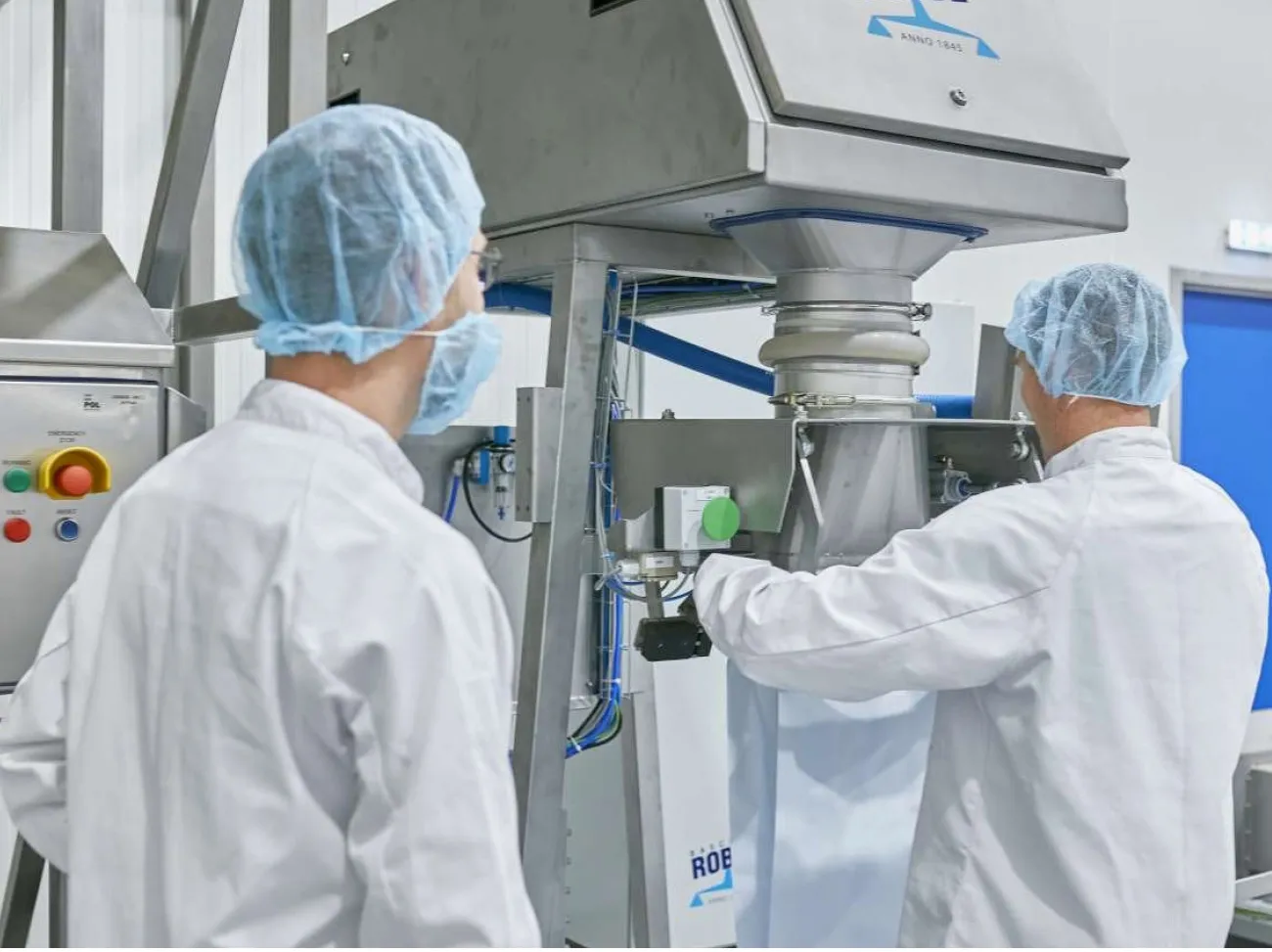
A devastating war, failed harvests, sky-high land and fuel prices … in the current situation, it pays to ensure accurate product dosing, both when filling bags and when preparing a particular recipe. Otherwise, losses can mount quickly. So quickly, in fact, that, according to calculations by Cedric Pollet of Bascules Robbe, a good dosing unit could pay for itself in just 1 to 3 years.
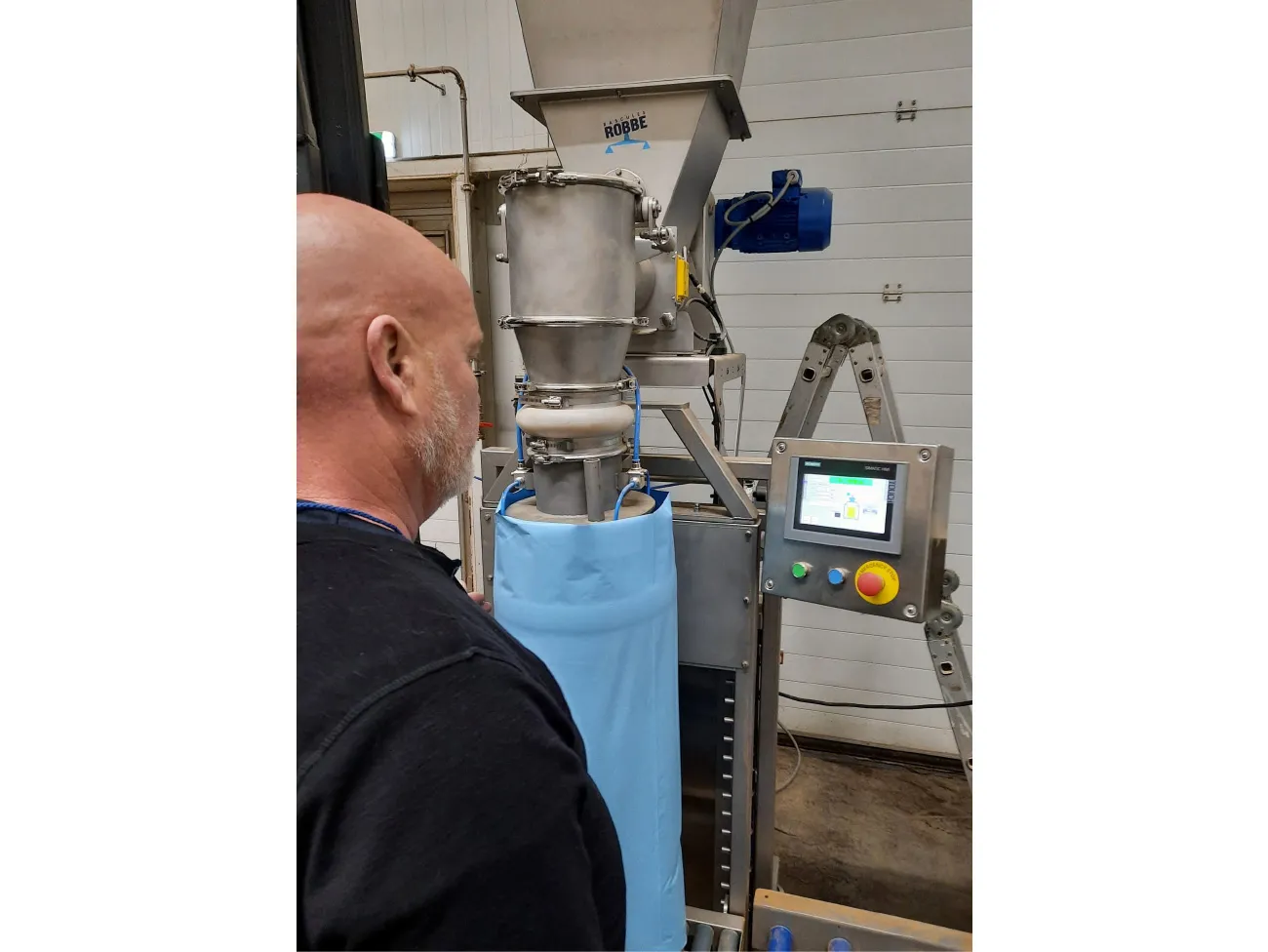
“We still see it every day,” says Pollet, “in both small and large food companies: bags or even big bags are filled manually or with a poor-quality filling machine. To avoid underdosing at all costs, they systematically add a surplus. On the one hand, it takes the operator too much time to weigh everything very precisely; on the other, customers would quickly complain if they received too little. The surplus is therefore not charged for.” According to Pollet, the same guesswork also goes on when filling mixing silos. “In that case, incorrect dosing or overdosing not only results in a direct loss, but can also throw the entire recipe off.”
Example calculation
The exact scale of the loss depends on production volume, the degree of overdosing and the product price. “Suppose you fill 20 big bags of 1,000 kg every day, but systematically add an extra 20 kg. At a product price of €0.25/kg, that already amounts to an annual loss of €24,000. If you sell the product for €1.50/kg, the figure rises to no less than €144,000 a year. If you work with smaller 20 kg bags and a capacity of 1,000 fills per day, a surplus of 150 g per bag still amounts to an annual loss of €9,000 (€0.25/kg) to €54,000 (€1.50/kg). These are significant sums, making the purchase price of a good dosing unit suddenly seem very modest by comparison.”
Smart, accurate filling
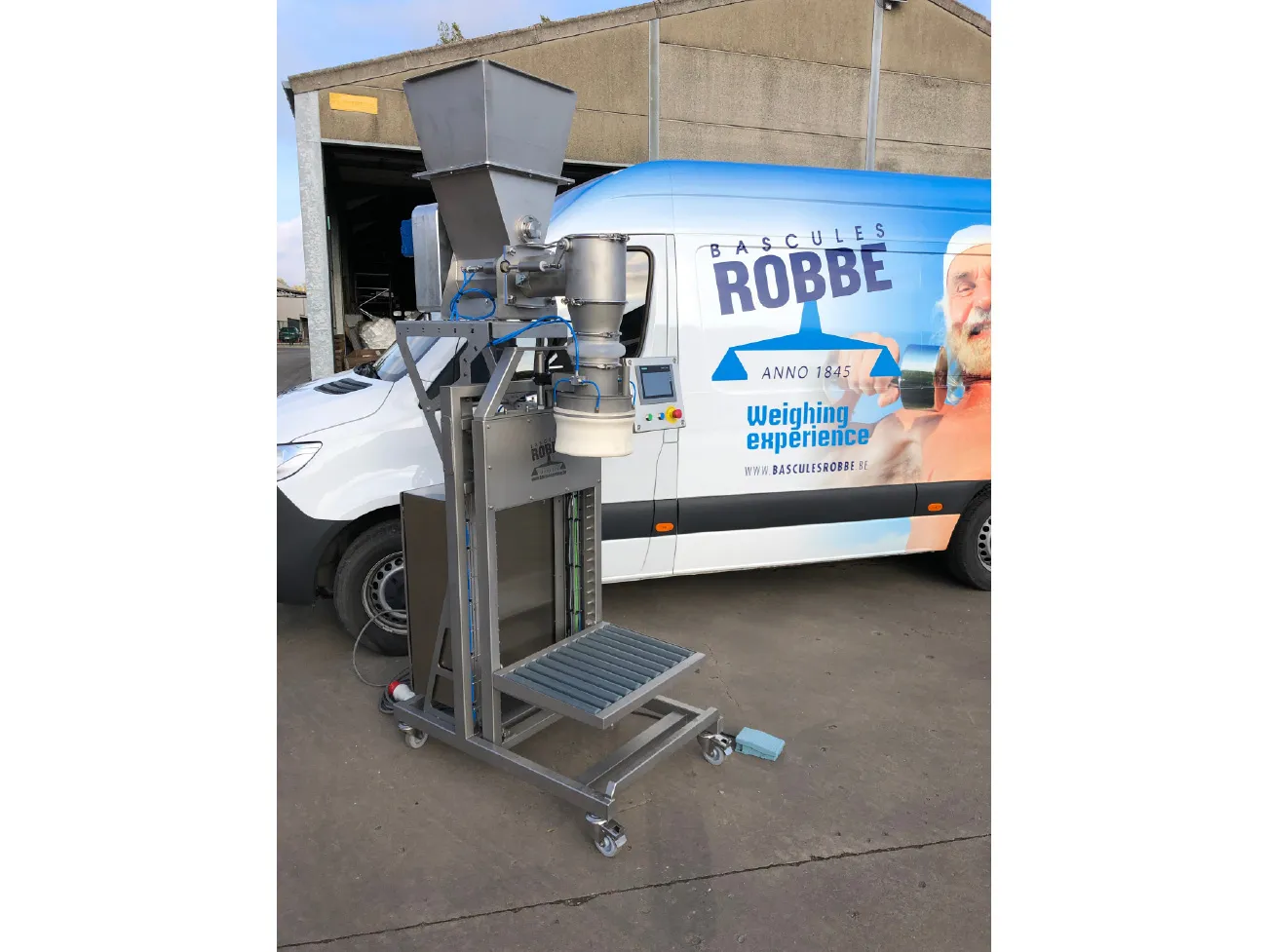
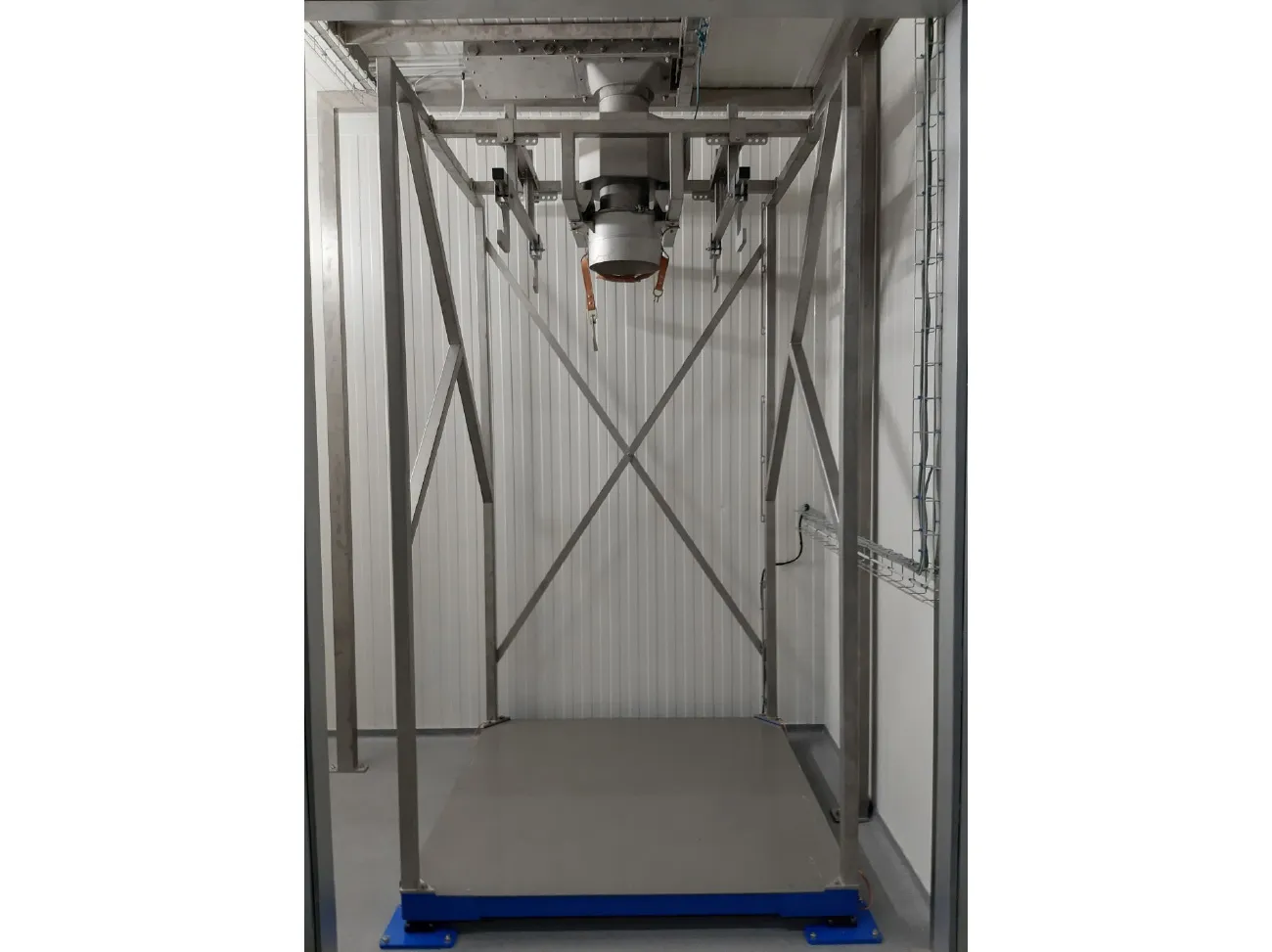
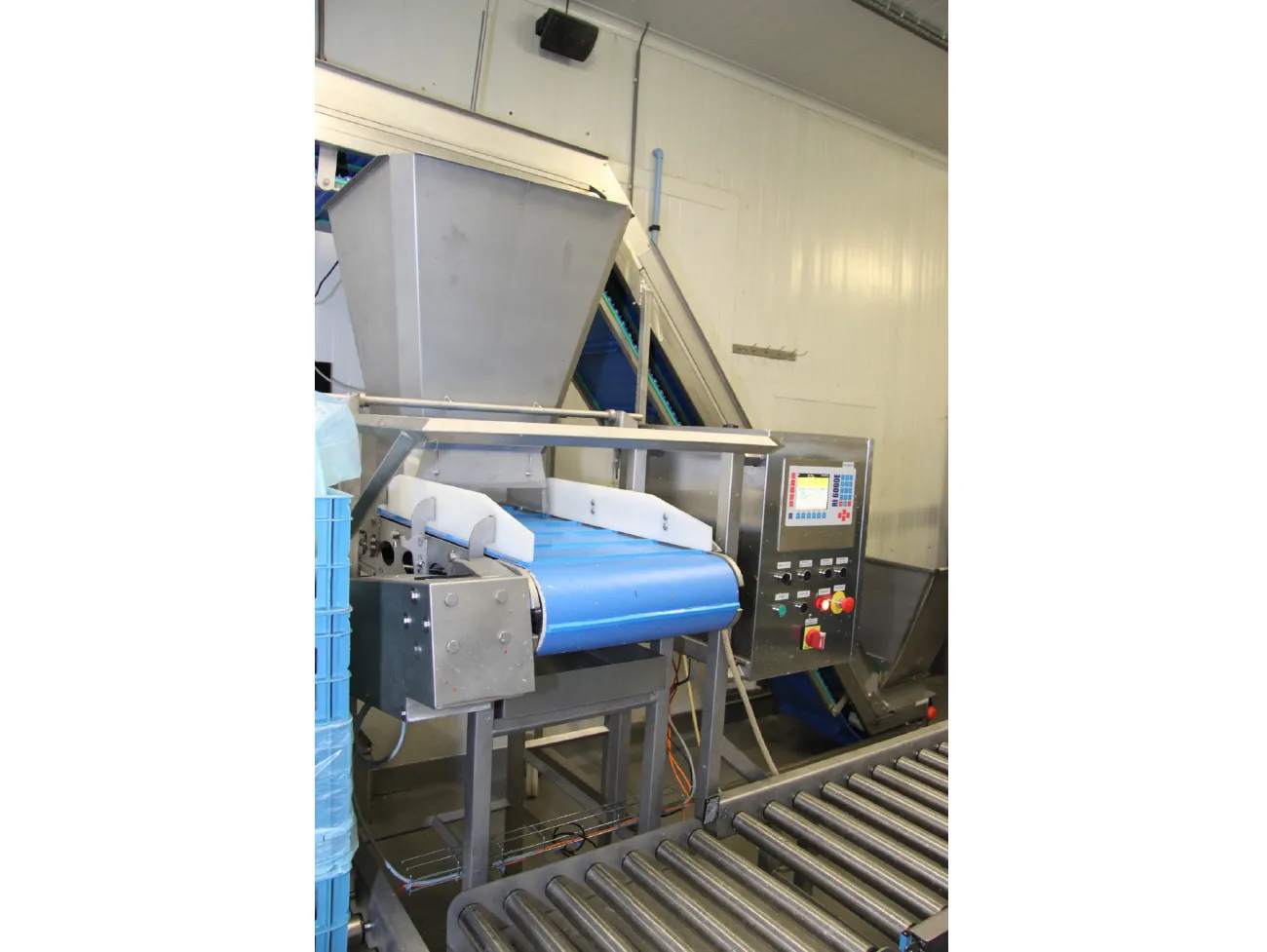
With a tradition spanning more than 175 years in weighing and measuring, Bascules Robbe has everything needed to bring the necessary precision back into the process. “If every pack is filled within tolerance, there is no waste and the exact quantity delivered is invoiced. This requires good weighing equipment and a suitable dosing unit. This could be a screw, conveyor belt, gravity-fed slide, vibrating chute, butterfly valve, and so on. Ultimately, every product and required flow rate calls for a different approach.”
Local production
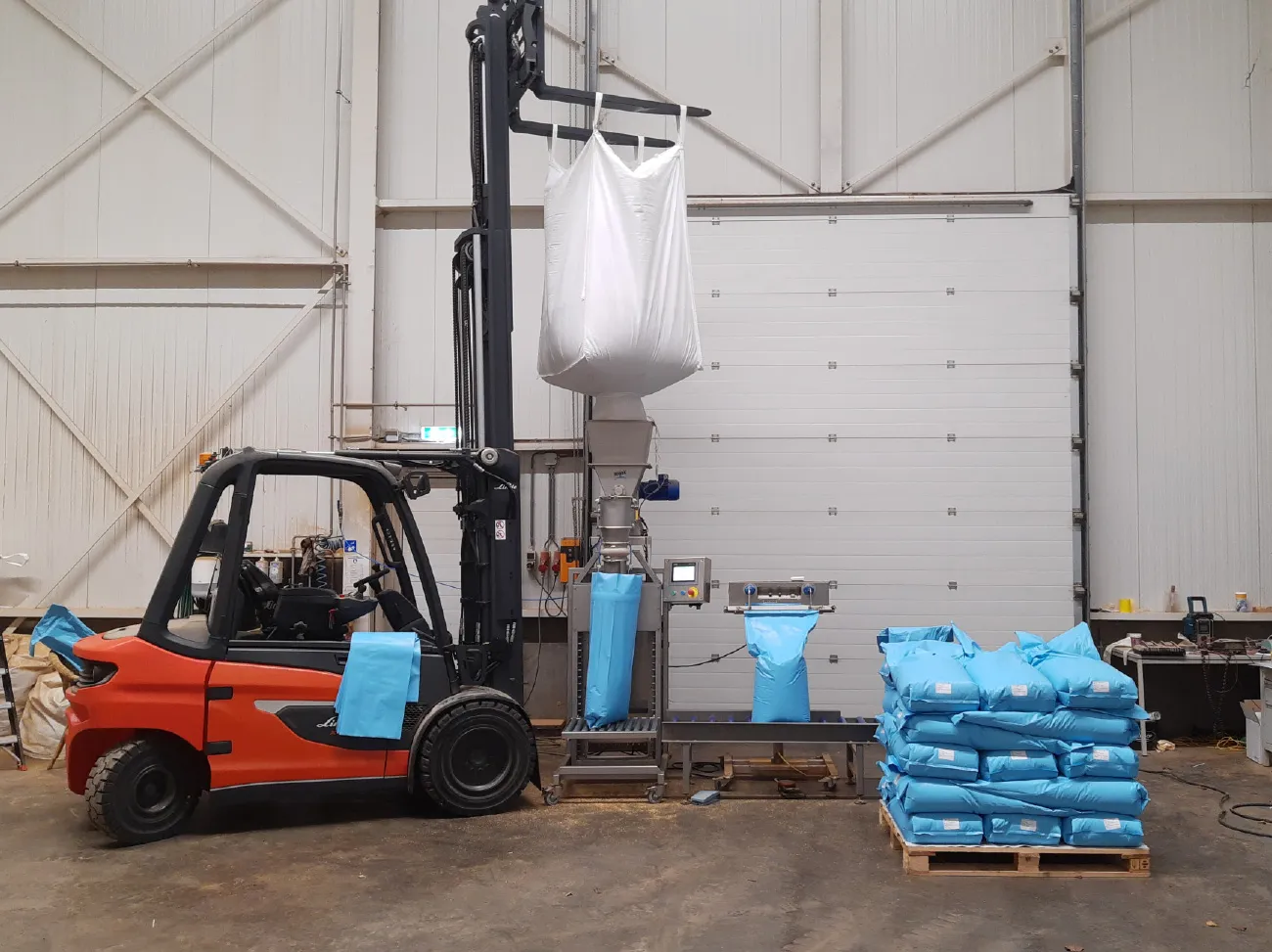
To meet the specific requirements of every project, the team at Bascules Robbe handles the entire design and production process. “Everything is designed and made locally. This has several advantages. It means we avoid container transport, which has become very expensive and is often delayed, and can respond perfectly to the latest requirements for hygiene and machine safety. Above all, however, it allows for personalisation and makes it possible to incorporate other considerations into the design from the outset. These include ease of cleaning, ergonomics, such as a filling station with adjustable height for different operators, or additional options that take repetitive tasks off the operator’s hands so they can focus on other things, such as sealers, bag cutting stations, stacking or palletising robots …”
The importance of data capture
The machines are also programmed in-house at Bascules Robbe. “We also like to give customers the option of logging, consulting and analysing weighing and production data. We take a highly flexible approach and can develop a bespoke dashboard or connect to the customer’s ERP or MES system. In any case, the aim is the same: to gain a better understanding of where and when errors may occur, and under what conditions, thereby making it possible to take corrective action.”
Question about this story? Ask your question
Keep following this
Get an email when a new story is published. No account needed.
- SubjectSolutions