












Respond now to new market demands in the food industry
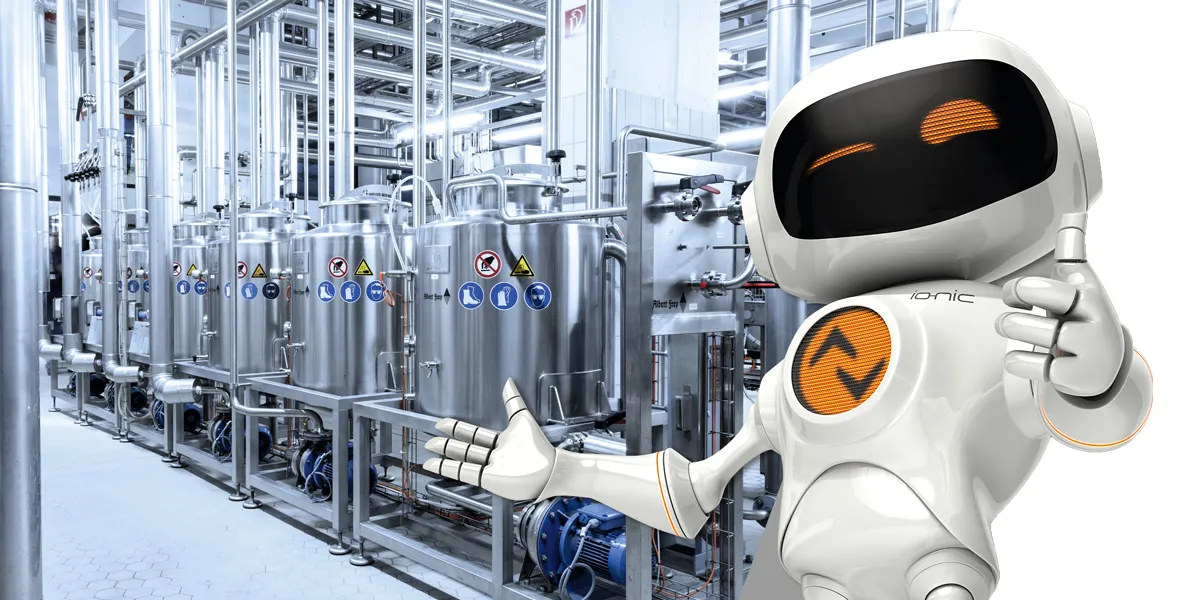
Production errors cost the global brewing industry €8.3 billion every year. A striking figure, but not an isolated case. Across food & beverage, companies need to remain alert to production losses caused by rising complexity and the need for flexibility. The answer is smart automation and digitalisation. With more than thirty years’ experience in this sector, ifm is ideally placed to provide automation solutions that address these new challenges. Smart sensors and simple connectivity put Industry 4.0 within reach.
For ifm electronic, food & beverage is a strategic sector. Managing director Marc Everaert says: “That means we keep our finger on the pulse of developments in the sector and come up with specific solutions that can add value in these environments. The company set out on this path more than thirty years ago, and with success. We can claim to have invented IP69K, a protection rating that also withstands the high pressures, temperatures and chemicals associated with cleaning processes. With the introduction of the AS-i standard, we helped the sector take steps towards standardisation and automation. We continue to follow that path today. The fact that our latest food & beverage catalogue runs to 155 pages of products shows that we continue to invest and innovate. These include specialist plastics that allow long-term use in harsh environments. Many processes in the food industry run continuously, and downtime is not an option.”
Challenges as opportunities
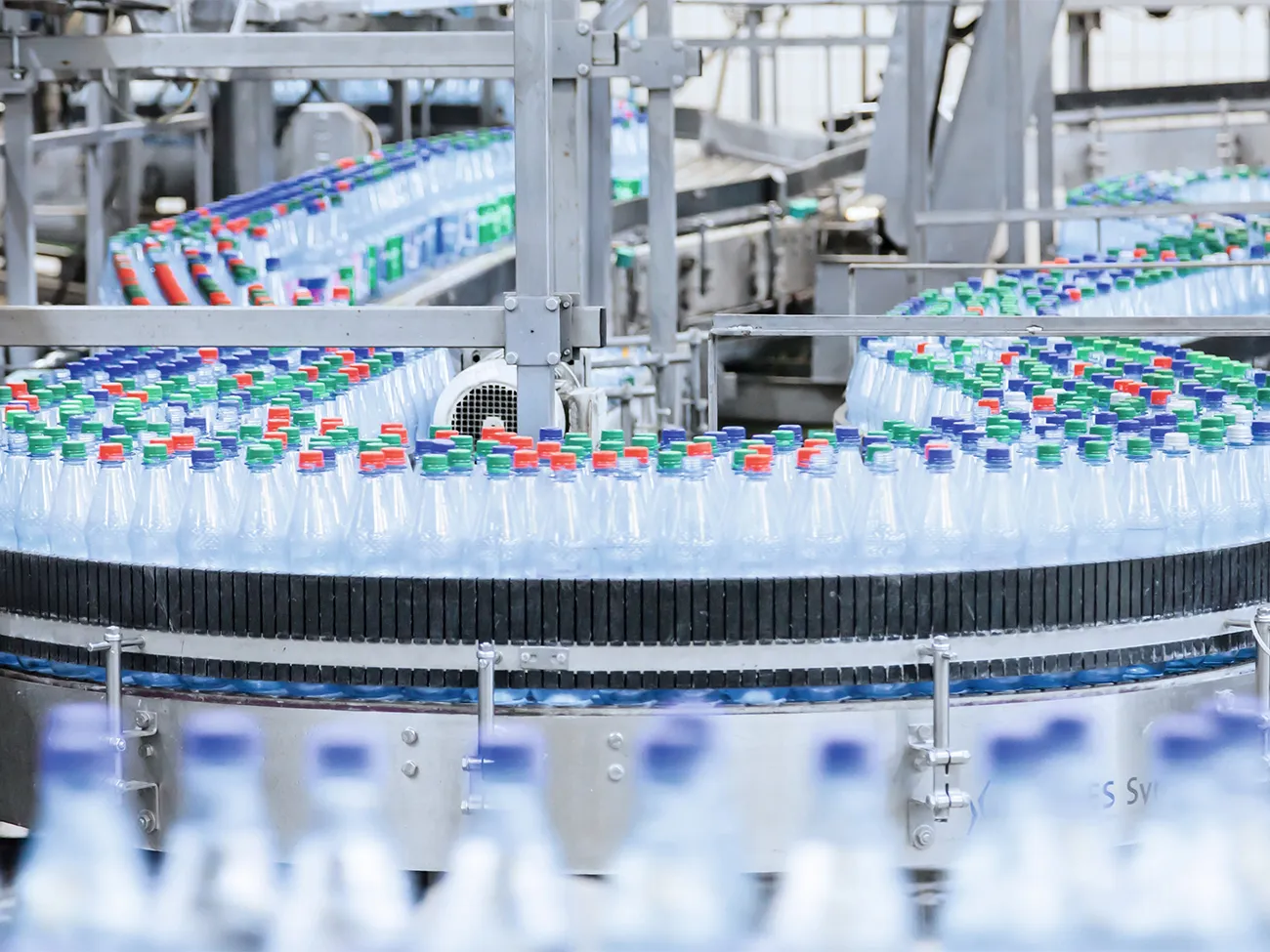
ifm’s automation technology has proved its value in food production environments for years and is now ready to meet the new market demands facing food & beverage companies. “The developments we saw in the automotive sector a few years ago are now filtering through here too. Just as they do with their cars, consumers want to personalise their food. Drinks and food producers therefore need to switch more quickly between products and packaging, increasing complexity. This places new demands on their machinery. On the one hand, flexibility needs to increase; on the other, production downtime must be kept to a minimum. It is certainly a challenge, but also an opportunity to optimise processes. Alongside the expected gains in flexibility, smart sensor technology can help keep costs down, improve quality, monitor processes effectively to prevent errors, and make production clear and comprehensible to every employee,” Everaert points out.
Innovative sensors
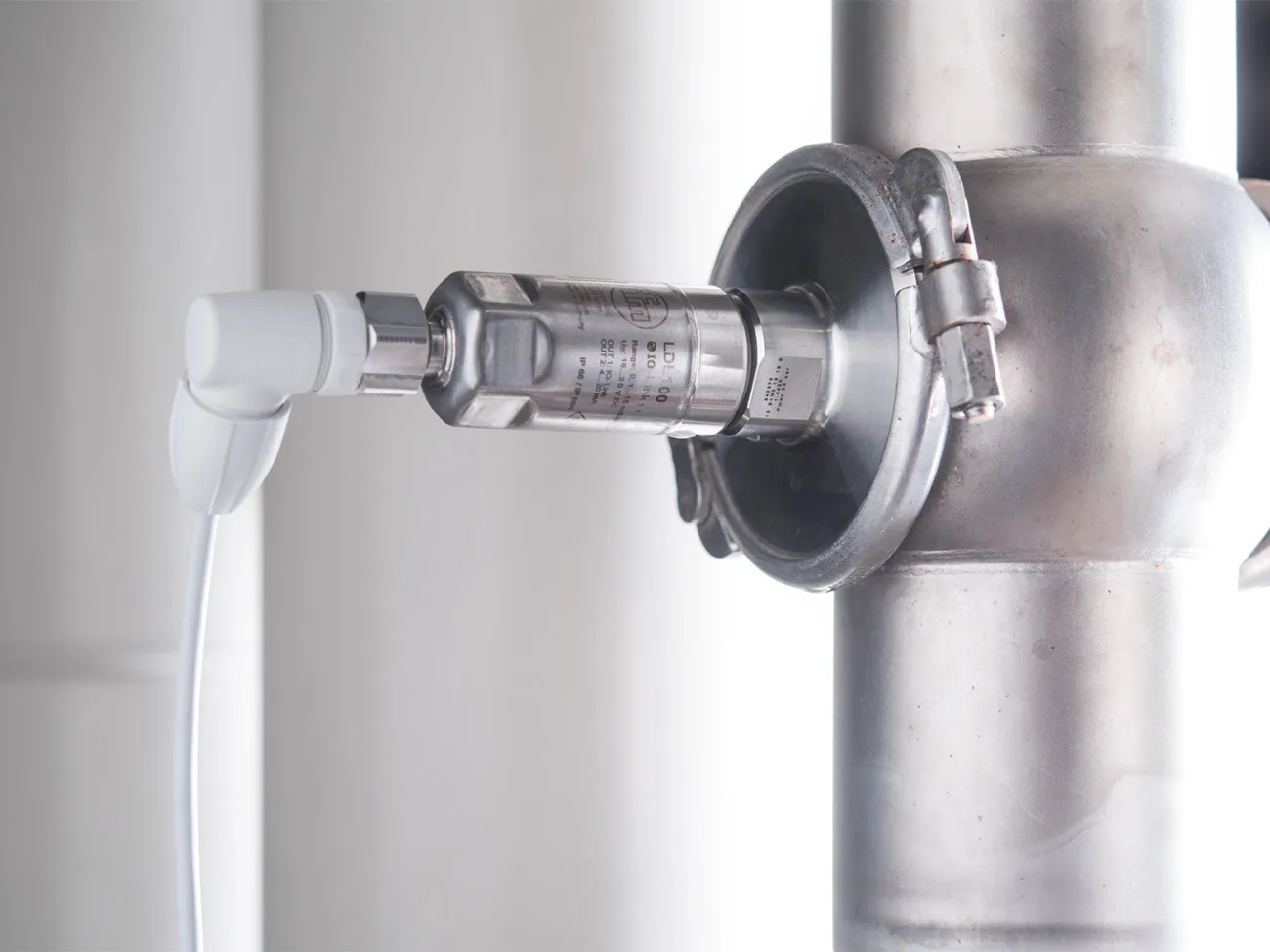
ifm’s solutions, which span everything from the shop floor to the cloud, have one thing in common thanks to IO-Link: ease of use. Everaert says: “There is no need for programming any more. The sensors simply need to be configured, and IO-Link makes it possible to do this remotely. Combined with their built-in diagnostic functions, this makes it very easy to monitor your sensor network.” The LDL100 is a good example of an innovative sensor. “This conductivity sensor helps users, for example, to make their CIP/SIP processes more efficient. It measures and knows exactly whether enough cleaning agent is flowing through your pipes and when rinsing is complete. This helps improve product quality by eliminating the risk of caustic solution remaining in the pipes. At the same time, it helps ensure resources are used sustainably. Cleaning never takes longer than necessary, because it is based on precise, reliable readings.” A second example is the VSA001, a vibration sensor that opens the door to predictive maintenance. It detects at a very early stage when the condition of bearings or motors begins to deteriorate, so the problem can be resolved before production comes to a standstill. This allows your most important machines to be monitored continuously, optimising the budget and time required for maintenance. And that is just a sample of the 155 pages of examples showing how we can help food & beverage customers,” Everaert concludes.
Question about this story? Ask your question
Keep following this
Get an email when a new story is published. No account needed.
- ThemeSmart production with data
- SubjectSolutions







