Sensors, crucial components for making food production more flexible
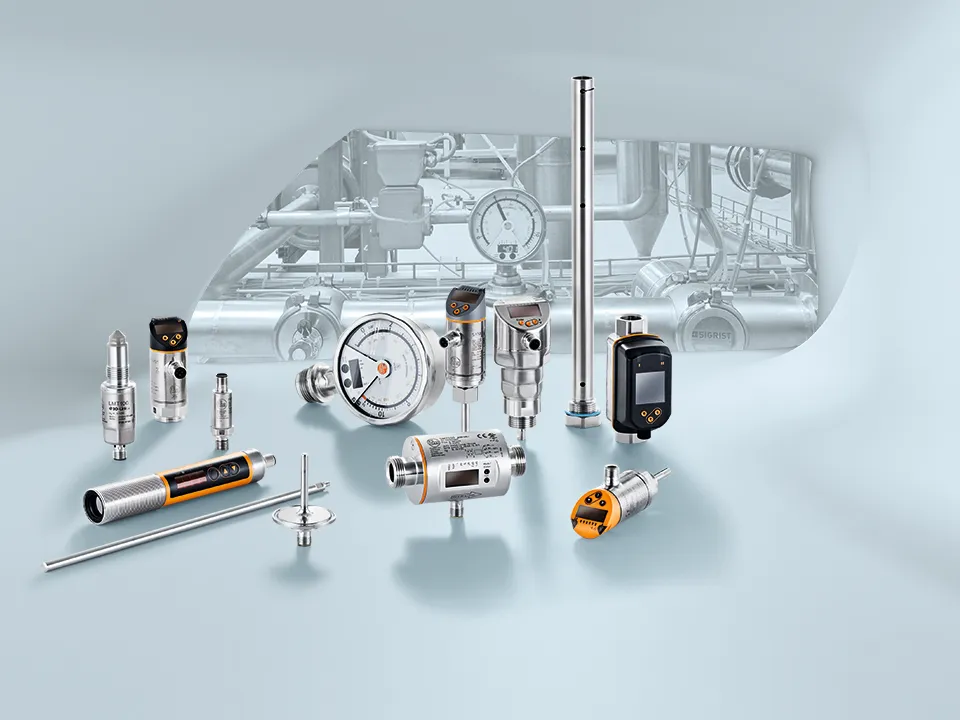
Digitalisation is making a world of difference to automation. This is particularly true of sensors, which increasingly use digital signals to transfer captured data reliably.
And that delivers considerable added value for users. We speak to Marc Everaert of ifm electronic about today’s and tomorrow’s smart sensors.
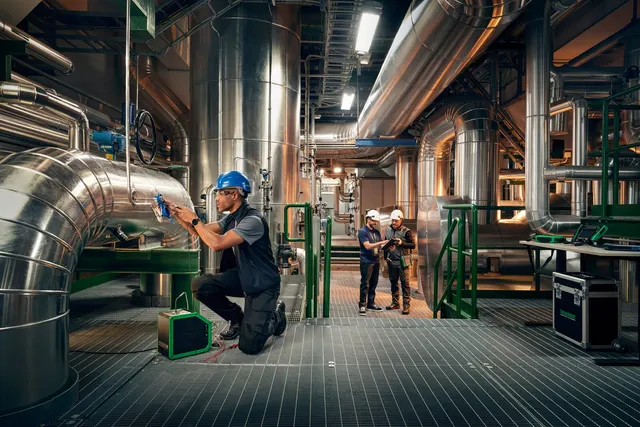
Food production automation systems depend on the data supplied by sensors. Among other things, they monitor the pressure, temperature, flow rate and level in various applications. It is therefore no surprise that the food industry was quick to embrace digitalisation. “That is also the direction we chose at ifm by firmly committing to IO-Link,” says Marc Everaert, general manager of ifm België. “We did so because we were convinced that OT and IT would move closer together. Given the experience both we and the food industry already had with the AS-i standard, switching to IO-Link was a relatively small step, but the right one.”
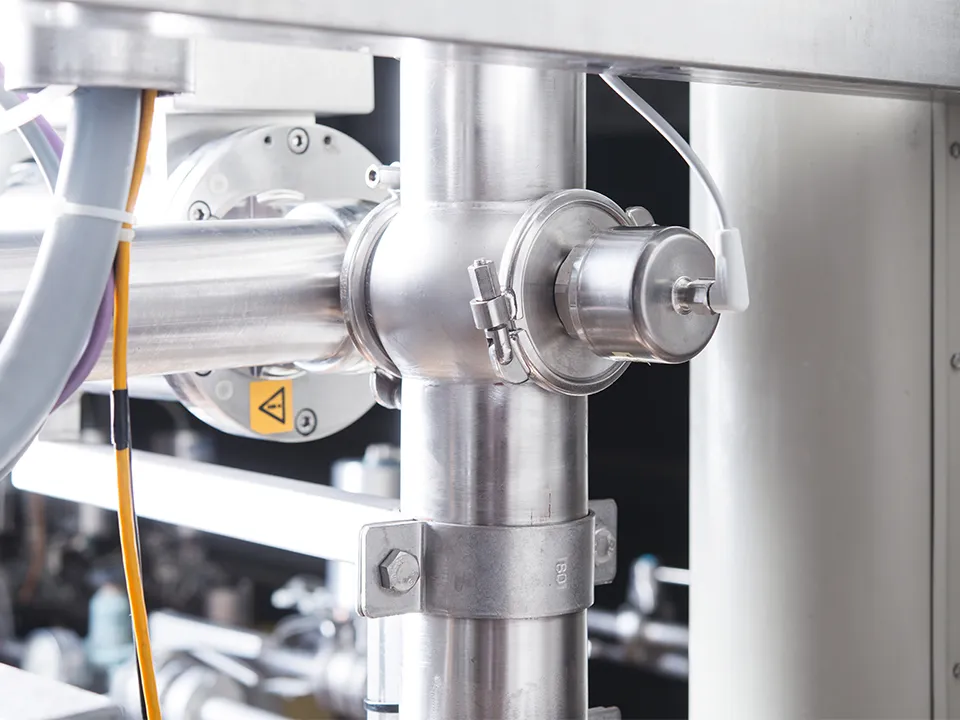
Digital communication from the shop floor to the top floor and back
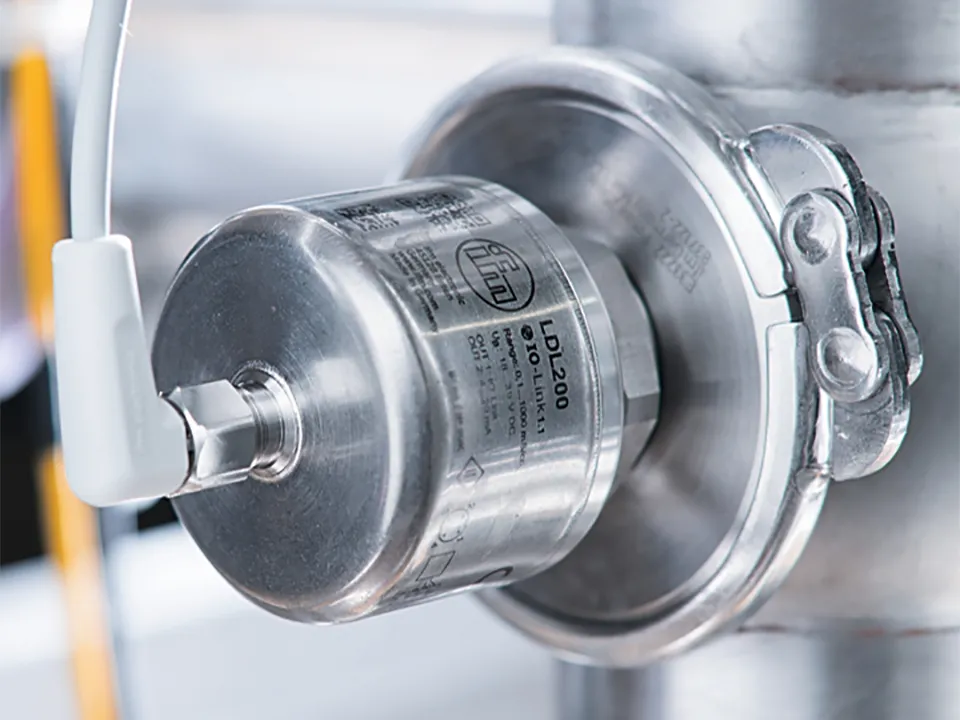
The benefits this brings are invaluable to food businesses and can be summed up in one point: digital communication from the shop floor to the top floor and back. “That improves accuracy, and therefore quality, because there is no need to convert analogue signals into digital ones. It also makes things easier to use, because configuration, monitoring and fault diagnosis can now all be done remotely. Above all, it gives you greater insight into production, because every level, from the field to the cloud, can communicate with the others,” says Everaert. ifm electronic puts this into practice with its Linerecorder, a software gateway that enables two-way communication to and from IO-Link sensors. Data captured by sensors can be fed directly through this gateway to the ERP system, without having to pass through the PLC. This opens up opportunities for data logging, predictive maintenance and improved energy efficiency. For example, ifm’s new LDL sensors can identify whether the process media currently flowing through your pipes are cleaning products used in your CIP process or simply water. This information is crucial for optimising your CIP process to reduce water, chemical and energy consumption.
Designed for the food industry
The specific conditions in food processing environments and the stringent hygiene requirements also call for purpose-designed sensors. Everaert says: “Thirty years ago, we decided to make the food industry a priority for our company. Why? It is a sector that develops continuously and steadily, and has a particular need for solutions that can withstand the sometimes high temperatures and pressures associated with intensive cleaning processes. That is why we began developing purpose-designed sensors, connectors, electrical connections and more. Over the years, we have continued to expand the range, right up to analytical sensors that can measure product quality. This makes us a one-stop shop for the solutions the food industry is looking for.” A good example of this focus is the GWR level sensor. Using radar technology, it measures the distance between the sensor and the surface of the medium. What makes it special is that it can do this with a range of process media, at different temperatures, and is unaffected by foam or product build-up on the probe. The probe is also designed fully in accordance with EHEDG hygienic design principles and is available in different lengths to suit the application.
Sensors for more flexible production
In recent years, these developments have made sensors crucial components in making food production more flexible. Sensors can be recalibrated in a matter of seconds, ready for the next product batch. For example, they only need to know which type of fruit yoghurt is next, so they can determine which values will indicate the correct mix. That means they also help safeguard product quality. In future, sensors will move even further in this direction. “They already contain a microcontroller, and therefore built-in intelligence. In time, sensors will develop into independent edge controllers that process the information they capture immediately, making adjustments in real time. The world belongs to smart sensors,” Everaert concludes.
Question about this story? Ask your question
Keep following this
Get an email when a new story is published. No account needed.
- ThemeSmart production with data
- SubjectSolutions