The benefits of pneumatic pinch valves
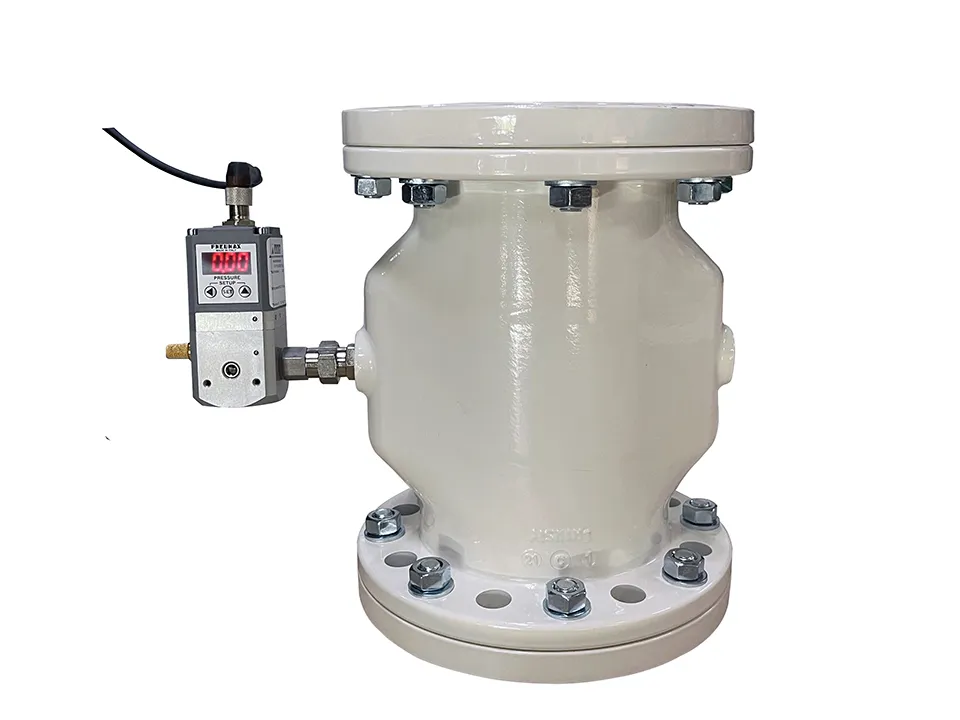
When food products, whether liquid or solid, are transported through a pipe network, it is essential to be able to regulate their flow at a given point. Preferably, and quite obviously, without damaging the product in question. Fluxer says the solution is at hand: food-grade pneumatic pinch valves from AKO.
“Pinch valves are fitted in the pipe and consist of a housing and a rubber sleeve,” says Frédéric Billiouw of Fluxer. “German company AKO is a leading name in this product group and offers an extensive range, both in terms of diameters and connections. There is also a wide choice of materials, particularly for the food industry. The housing is available in four versions: plastic, aluminium with stainless steel contact flanges, 100% stainless steel, and 100% stainless steel with EHEDG certification. The range also includes several food-grade sleeves.”
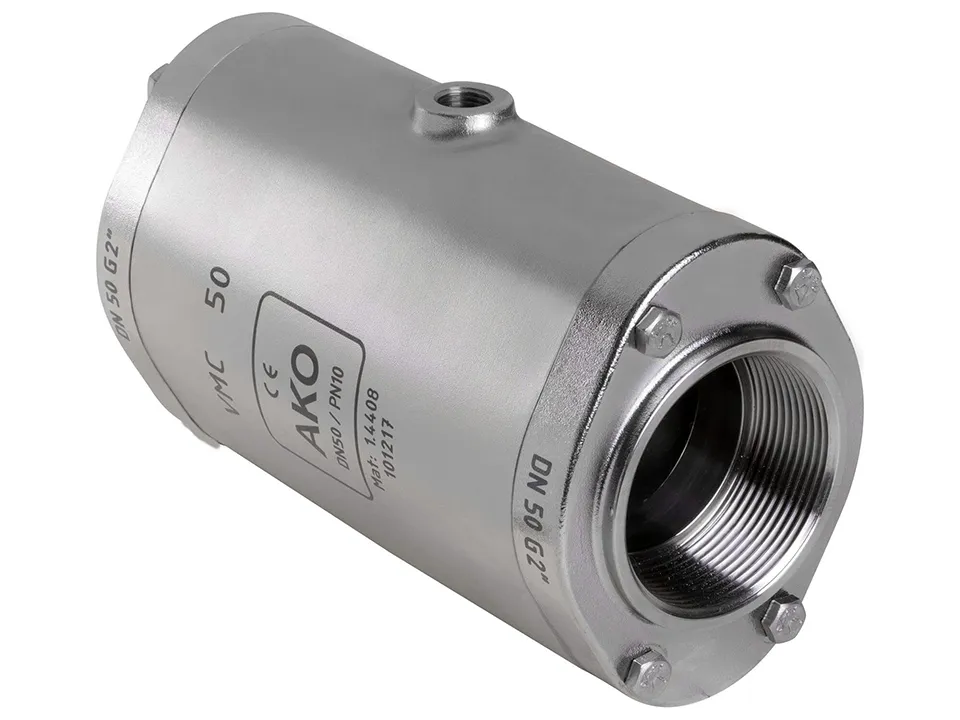
A hygienic solution
High-quality materials are not the only reason pinch valves can be used in highly hygienic, even aseptic, applications. The valve’s basic principle also contributes. “The sleeve provides a smooth, unobstructed passage for the medium,” explains Billiouw. “There are no corners, edges or obstructions where material can get trapped, even with bulk solids, viscous media or media containing pieces.”
The right flow rate every time
The absence of corners, edges and obstructions also means that the pipe’s full bore is maintained. “Most other valves cause some degree of constriction or blockage in the pipe, even when open. That is not the case here.” Fluxer can also provide proportional valve control. “This allows the operator to regulate the product flow easily and precisely, for example at 20% one moment and 100% the next. This can also be fully automated.”
Compressed air
The choice is essentially between mechanically and pneumatically actuated valves, but Billiouw sees a clear preference for the pneumatic option in the food industry. “Not only because many food factories already have compressed air available, but also because the system is gentler on the medium. With a pneumatic system, the sleeve forms neatly around the medium, preserving the integrity of the product. A mechanically operated pinch valve, by contrast, is more likely to squash and potentially damage the product.”
Tailored to the application
As with other components, the choice of pinch valve must be matched precisely to the operating conditions. “Factors to consider include the application, the intended operating pressure, the frequency of opening and closing, and whether rapid venting is required. We are very happy to provide support with this if needed.”
Question about this story? Ask your question
Companies in this story

Keep following this
Get an email when a new story is published. No account needed.
- SubjectSolutions
- CompanyFluxer