












Tiense Suikerrafinaderij: a complete overview of belt drives leads to less downtime
Text and images Dexis Belgium
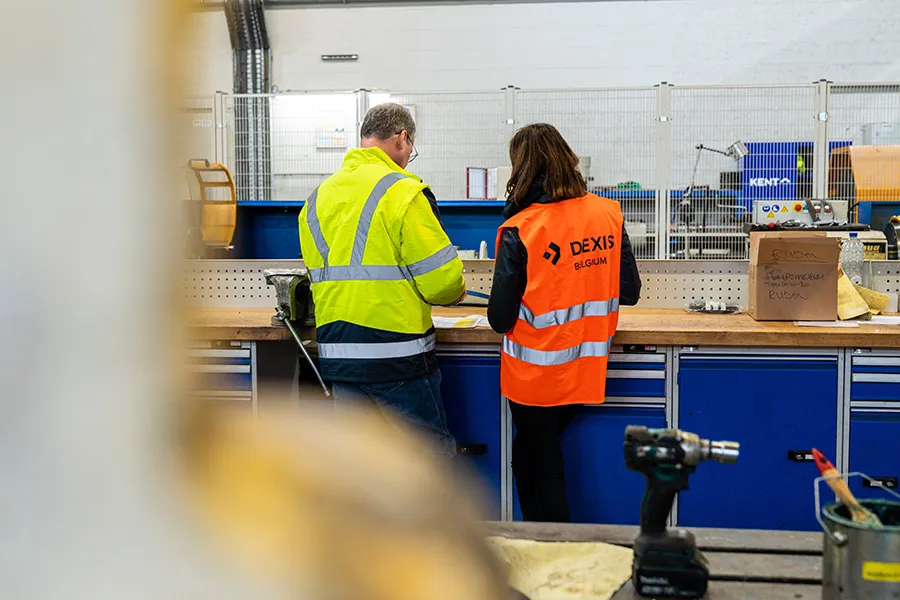
Belt drives are an important part of the machinery at Tiense Suikerraffinaderij. By mapping them one by one and optimising them where appropriate, the company can not only manage its stock more effectively, but also work more efficiently. The result: less downtime and fewer fires to fight.
“We have around 250 belt drives, but we didn’t have a complete picture of all of them,” says Tom Vanzurpele, maintenance manager at Tiense Suikerraffinaderij. “When the type of belt changes, it can happen that the transmission capacity is no longer sufficient. We wanted to have that checked. So we asked Dexis Belgium to draw up an inventory of our belt drives and suggest areas for improvement.” Igor Simonet, team leader repair & production at Dexis Belgium, says: “The request we received from Tiense Suikerraffinaderij makes perfect sense. Without an overview of your drives, you can’t anticipate breakdowns. And when a machine stops, there’s no guarantee you’ll have the right belt in stock. A complete picture is essential if you want to operate cost-effectively.”
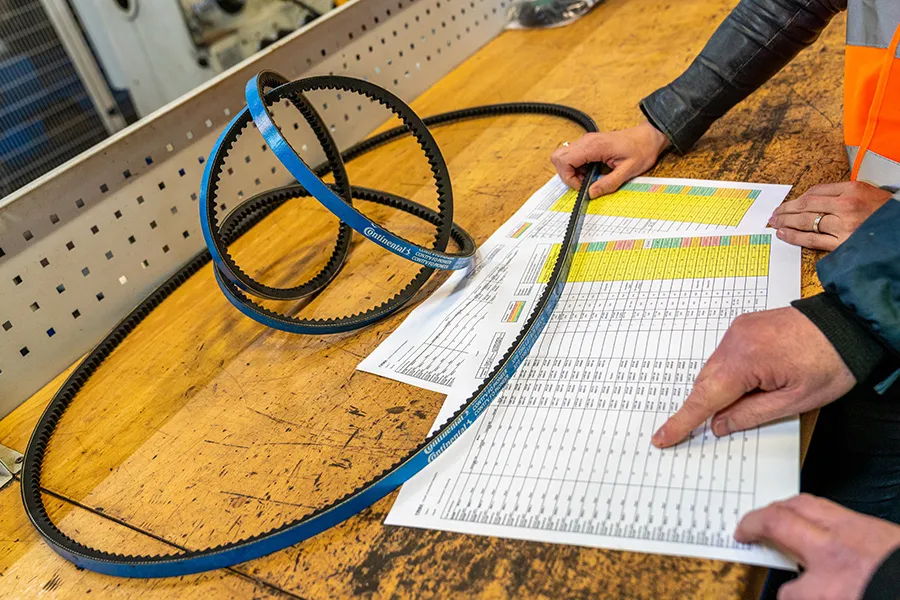
A thorough inventory as a starting point
Michel Clerinx, maintenance engineer at Tiense Suikerraffinaderij, led the inventory project. He explains how it took shape: “We started with a kick-off meeting, where both parties agreed who would take on which role. This was followed by a pilot phase in which we worked through a small group of drives from A to Z. This allowed us to evaluate and adjust the calculations and inventory process, so that it worked for everyone. Working together as partners was the key to success.” Simonet continues: “We then measured and photographed every belt drive to see whether it could be optimised. Components are continually improving and lasting longer. Something that might once have required five belts, for example, may now be achievable with fewer.” Clerinx adds: “We discovered that some drives had been modified over the years and no longer matched our documentation. We put that right. The inventory also enabled us to standardise our belts as far as possible, using a single brand and a single length. That means we need to stock fewer different types of belt. In addition to creating a central digital inventory, we gave every drive a physical identification label. This means that when a problem occurs, a technician doesn’t have to go to a computer to find the right information, but can access it on the spot.”
Listening to requirements
“The collaboration went very smoothly,” says Clerinx. “Igor and his colleagues worked alongside our technicians. The schedule and arrangements were always clear. Dexis Belgium’s customer focus was an added benefit for us. The team listened to our ideas and wishes, and readily made adjustments when, for example, certain information in the inventory was unnecessary or missing. In my view, that flexibility is essential to achieving a result that is genuinely useful to us.” And the results are substantial. Vanzurpele says: “The inventory means we have to fight fewer fires, for example when a particular type of belt isn’t in stock. And less downtime is always better, of course! We immediately addressed the belt drives that did not have the right design. This has led to far fewer problems. By eliminating these kinds of errors, we can now rely on all our belt drives to work optimally. A great deal of uncertainty has been removed.”
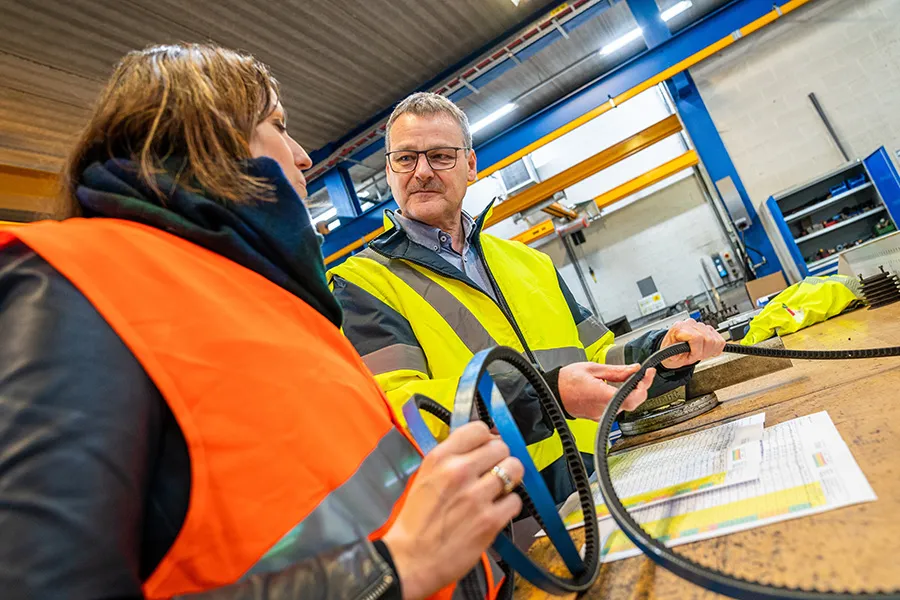
Building on the results
“The inventory also enabled us to optimise the warehouse layout,” Simonet adds. “What should Tiense Suikerraffinaderij keep in stock, and in what quantities? And what can the company order from us at short notice? We removed unnecessary stock and ensured that critical components are always available in the warehouse.” Vanzurpele concludes: “Finally, our technicians received practical training explaining the inventory. They now know which problems occur frequently, what causes them and what they need to look out for. We naturally want to maintain the gains we have made.”
Figures
16 of the 221 belt drives replaced immediately;
86 belt drives to be replaced at the next shutdown;
92 of the belt drives not yet replaced can be improved using new technologies.
Een zakelijke vraag aan Dexis Belgium NV? Get in touch
Companies in this story

Keep following this
Get an email when a new story is published. No account needed.
- SubjectSolutions
- CompanyDexis Belgium NV







