












Towards a safe working environment? Food for thought
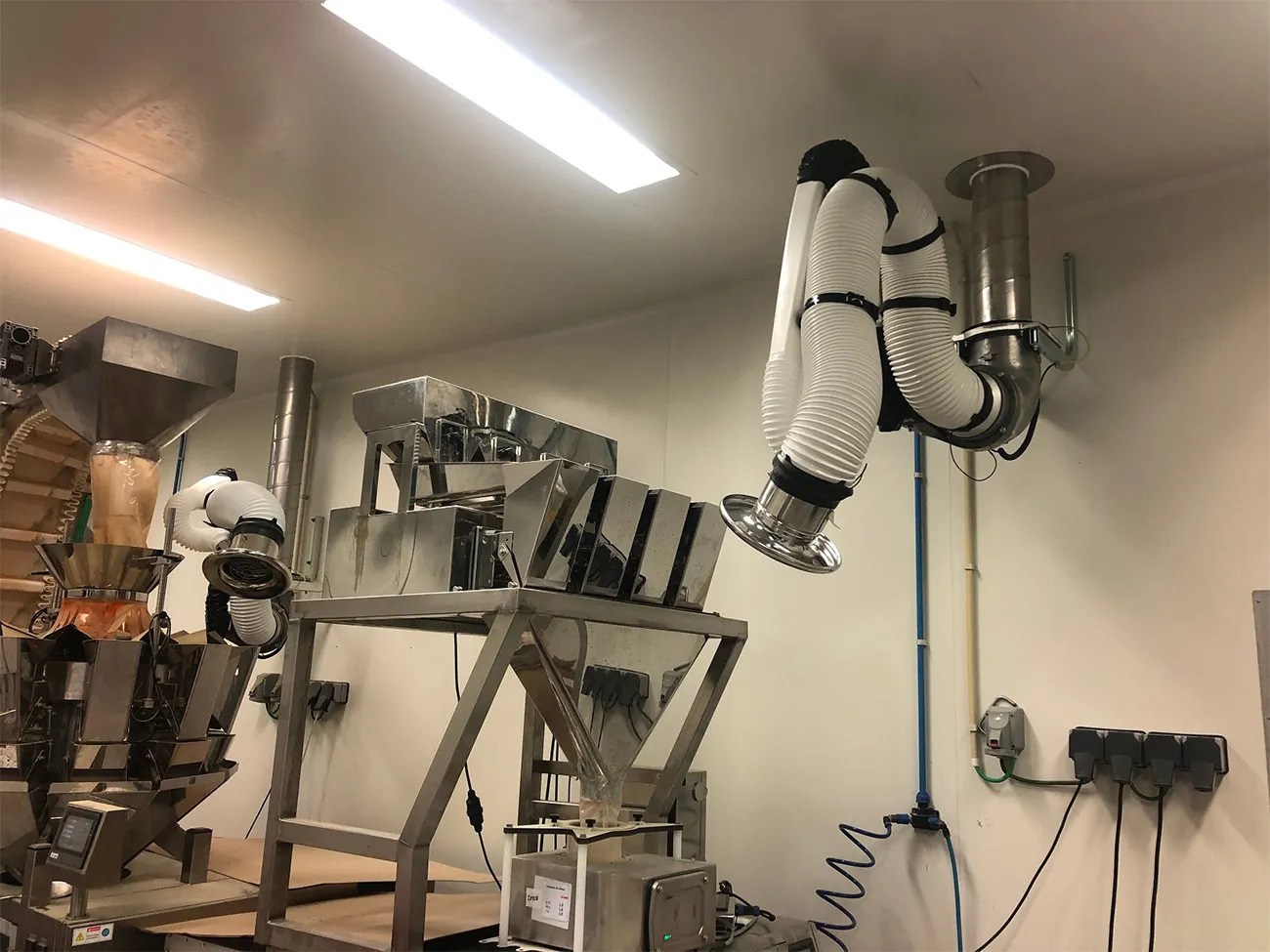
Clean air in the workplace is essential for healthy working conditions and sustainable production. Efficiently capturing dust and fumes extends equipment life, improves product quality, helps ensure compliance with regulations and creates a safe working environment for employees and visitors to your business. Gunther Maes, sales manager at Nederman nv, explains which technical solutions you can use to improve air quality in the workplace.
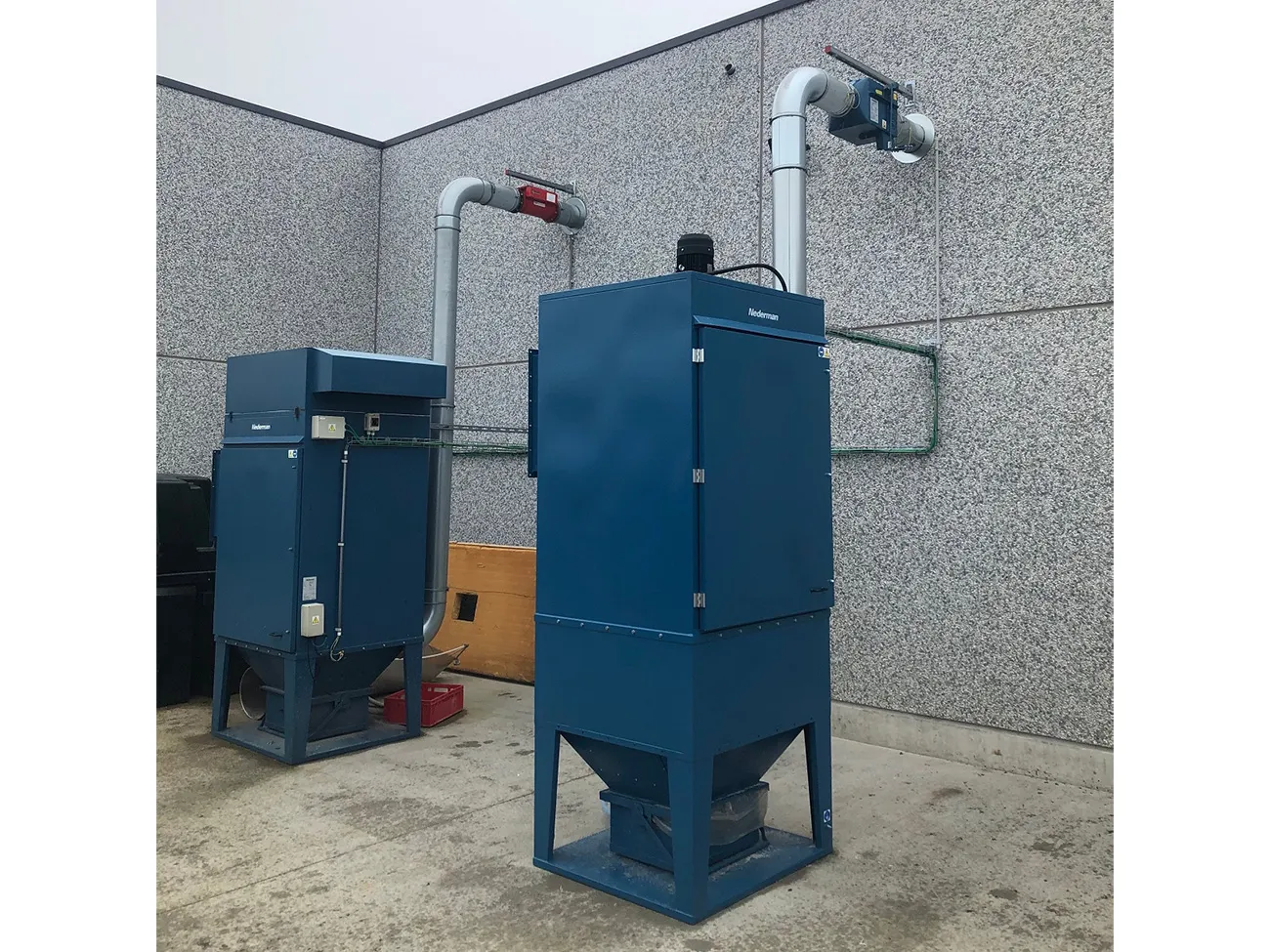
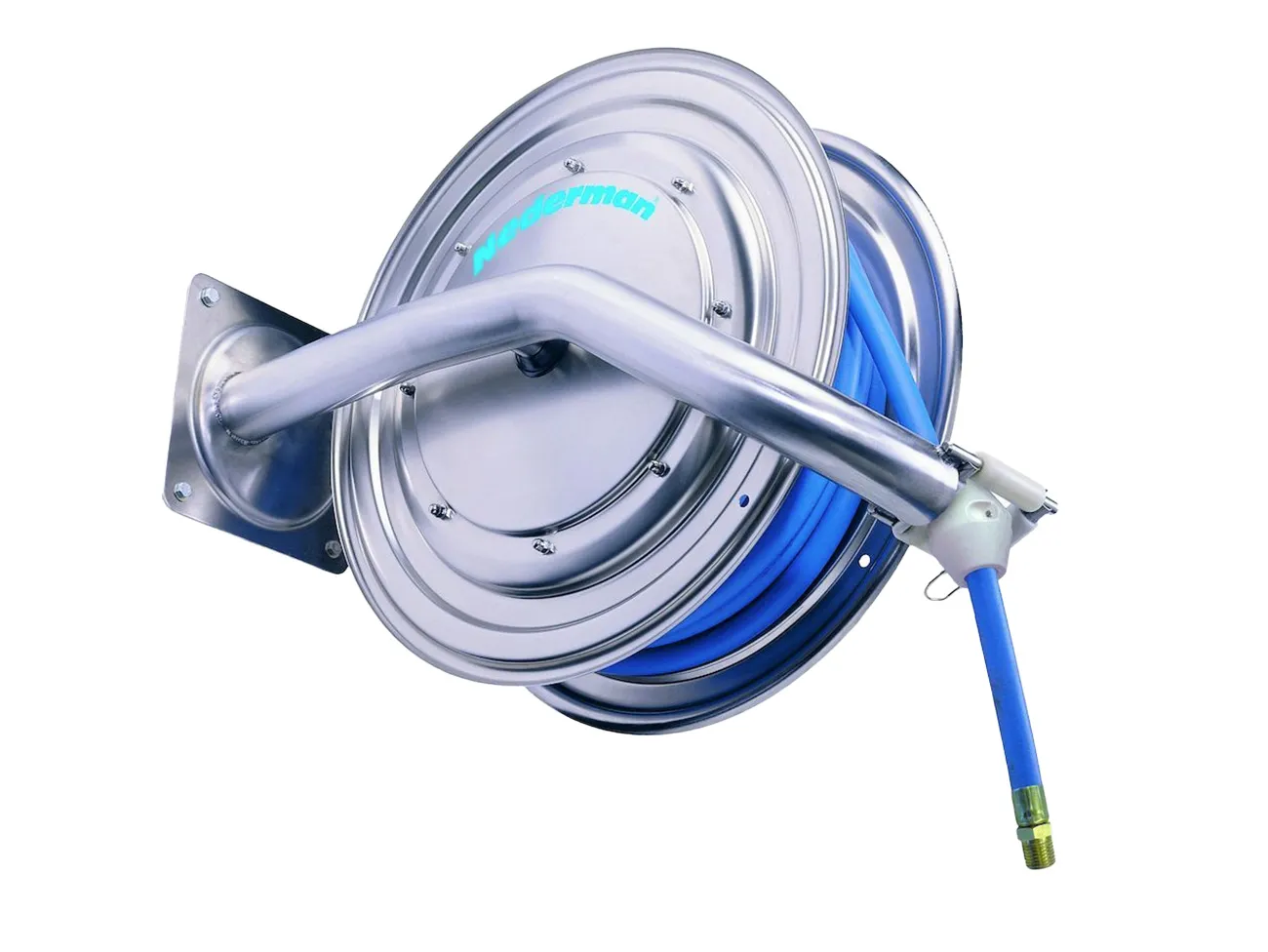
Food manufacturers want to maximise profitability by making the most efficient use of people and resources. Quality is also high on the agenda. Ensuring clean industrial air flows is an important part of this strategy. As a developer and distributor of industrial air filtration solutions, Nederman counts many food processing companies among its regular customers, from small and medium-sized enterprises to multinationals. They can choose from a wide range of products to keep their working environment clean, from extraction arms and compact filter systems to hose and cable reels.
A clean workplace is crucial
“In the food processing industry, hazards from dust and fumes are everywhere,” says Maes. “Substances generated in these businesses, such as baking, cocoa or soup powder, flour, starch, spices or sugar, are explosive materials. They can create dangerous situations for both the working environment and employees. Our solutions help businesses keep the workplace clean and tidy, preventing dust from settling on floors, pipes or crossbeams or entering the ventilation system.”
ATEX-approved equipment
Maes points to another consideration: “As sparks and static discharges can cause an explosion, it is also very important to use machinery and equipment with enclosed electronic systems and adequate earthing. At Nederman, we offer a wide range of ATEX-approved extraction arms, fans and filter systems. This ensures our customers comply with the applicable regulations and standards.”
Ongoing efforts to ensure a safe working environment
Are food processing companies sufficiently aware of the potential risks posed by dust and fumes? Maes says they certainly are. “Because legislation in the sector is so stringent, companies are investing heavily in safety equipment. The various health and safety risks mean businesses have to comply with a great many protocols. Each of the standards for keeping workspaces clean, including measures to combat bacteria, viruses, mould and pests, must be met. When it comes to dust and fumes, activities such as automated supply and loading or emptying raw material bags can create unhygienic conditions.”
Adopting new technology
Today, Nederman offers state-of-the-art solutions to tackle unsafe and unhealthy working conditions. “Our expertise covers a wide range of applications,” says Maes. “As production environments evolve rapidly, we are also investing heavily in product innovation. By adopting new technologies, Nederman is focusing primarily on the Industry 4.0 environment. We aim to monitor installations, sensors and power consumption remotely. We are also working towards solutions that collect data in a cloud system, which could eventually be connected via 4G to a customer’s building management or production system. This will allow us, among other things, to detect faults or alarms in safety equipment in good time and send customers the necessary alerts.
For more information: https://bit.ly/nederman-FoodandBev
Question about this story? Ask your question
Companies in this story
Keep following this
Get an email when a new story is published. No account needed.
- SubjectSolutions
- CompanyNederman







