












Two in one: Leuze presents the GSX, the world’s first combined fork sensor
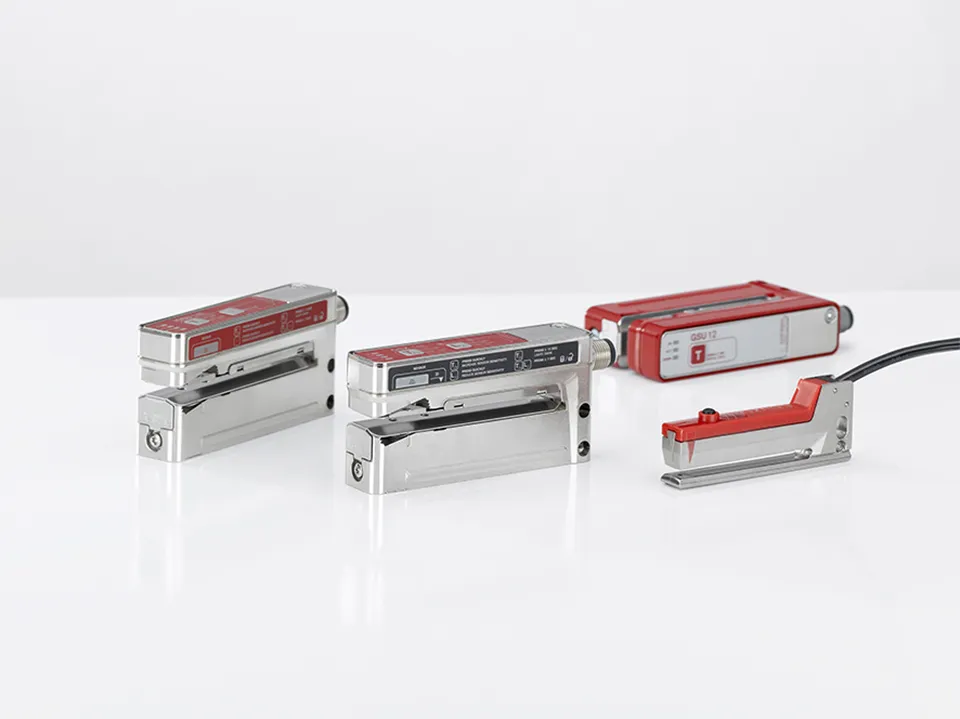
With its new GSX combined fork sensor, Leuze is once again presenting a world first. The device combines the benefits of optical and ultrasonic sensors.
The new GSX completes Leuze’s range of fork sensors. It is particularly suitable for labelling machines used in the packaging industry.
With the launch of the GSX, the world’s first combined fork sensor, Leuze is continuing its decades-long tradition of innovation. Leuze not only invented the first label fork, the GS05, but also developed the first ultrasonic fork sensor, the GSU14. With its latest innovation, the GSX (available in several models), Leuze completes its range of fork sensors with a combined model that offers both optical and ultrasonic detection principles. It therefore combines the benefits of optical models with those of ultrasonic solutions, making it ideally suited to labelling machines used in the packaging industry. With this innovation, Leuze once again demonstrates the Sensor People’s long-standing expertise and application knowledge in this field.
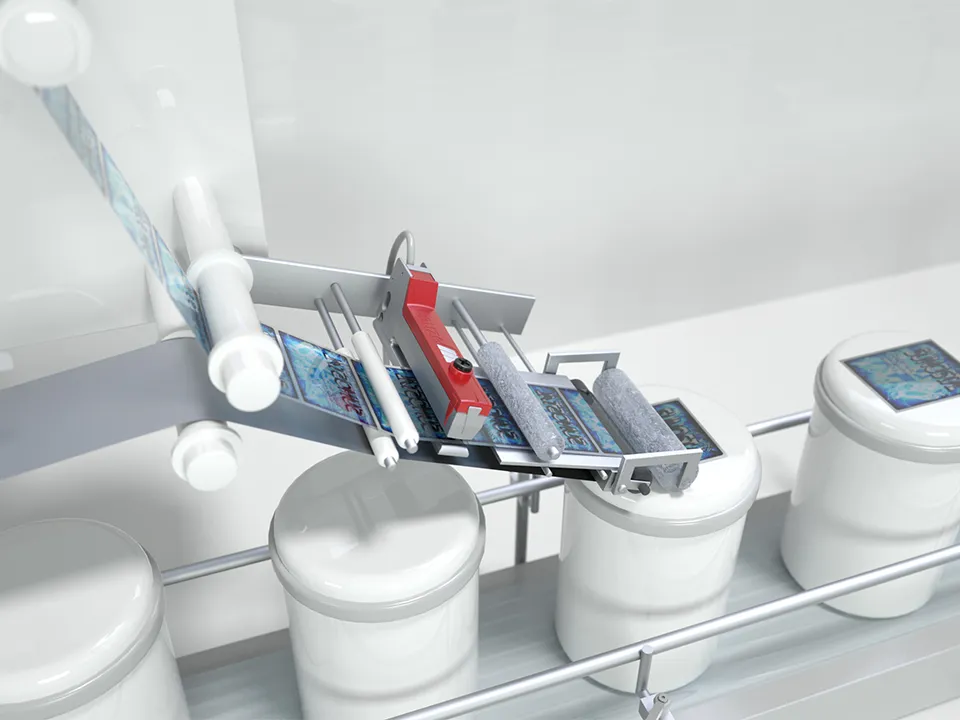
Leuze expands its range of fork sensors
Applying labels of different shapes, sizes and materials to products and packaging using a labelling machine is one of the fundamental tasks performed in the packaging industry. Precise positioning requires labels to be detected reliably and securely, even at high conveyor speeds. This is the job of fork sensors, which house the transmitter and receiver in a single device and ensure high operational reliability. These devices are not only highly sensitive, but are also easy to install and require no alignment. Until now, Leuze offered two fork sensor models for this purpose: optical and ultrasonic. A new version is now available that combines optical and ultrasonic detection. This adds another world first to Leuze’s range and completes its offering.
Two in one: the world’s first GSX14E
The GSX fork sensor is the first of its kind in the world, combining ultrasonic and optical detection methods in a single housing. It brings together the benefits of both principles and can be used with great flexibility. It detects a wide range of labels reliably, quickly and accurately, regardless of their material or surface characteristics. This increases machine throughput and prevents downtime. Even labels made from inhomogeneous BOPP material can be detected reliably thanks to the optical operating principle. The fork sensor is particularly suitable for applications where different types of labels need to be detected. Until now, this often required several different fork sensors. Users save not only space, but also the additional time and cost of installation. The new fork sensor can be set up quickly and easily using the teach button to teach the label and backing combination. Only one universal mounting position is needed for all objects.

IO-Link for easy configuration and recipe management
The new GSX fork sensor is equipped with an IO-Link interface, which enables simple, fast and cost-effective sensor configuration. The interface can be used, among other things, to enable remote teaching or lock the buttons. In addition, recipe management makes it easy to change formats when replacing rolls. This means there is no need to teach the sensor again when changing rolls to a different label format. The format can be changed quickly by selecting the correct parameter set for the corresponding label format. This parameter selection is made directly on the labelling machine via the HMI. This not only saves installation time, but also increases production volumes and makes the system more economical.
Question about this story? Ask your question
Companies in this story

Keep following this
Get an email when a new story is published. No account needed.
- ThemeSmart production with data
- SubjectSolutions
- CompanyLeuze







