What should you consider when selecting food pumps?
Text Valérie CouplezImage iStock
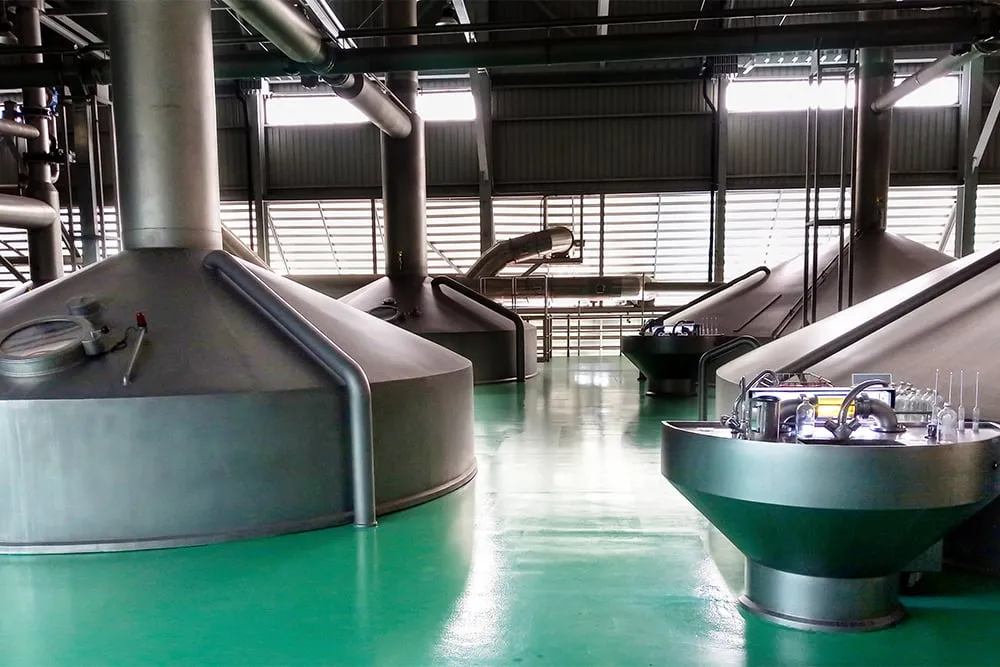
Moving raw materials and/or semi-finished products is an inherent part of food processing. Food texture and viscosity are not only important quality parameters, they also affect how a product behaves during production and processing. This in turn influences the choice of food-processing pump.
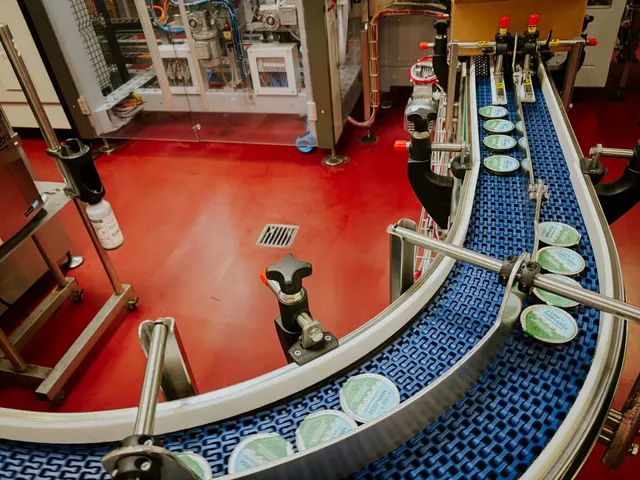
The exact requirements naturally depend on many factors, including the product itself and the processes involved. Broadly speaking, however, a distinction can be made between products pumped through pipes and those transported, usually on conveyor belts or similar systems. Giving sufficient thought to choosing the right pump can prevent many problems. This applies to simple liquids, as well as powders, pastes and mixtures of liquids and solids. Why are pumps also the preferred choice for these products? They can prevent contamination during processing and maintain processing temperature, viscosity, dosage and more.
Points to consider when selecting a pump
One drawback is the risk of damaging products. This is a particular concern with high-value, viscous products such as honey, syrup, custard and creams. Product losses can have a significant financial impact. Another point to consider is that viscosity can be affected, potentially causing problems such as runny or split sauces, or unwanted churning of dairy products. With materials containing solids, such as fruit mixtures, the wrong type of pump can easily damage the solid fraction, reducing quality or, in the worst case, destroying the very characteristic that sets your product apart. Although the physical properties and behaviour of many food products are well documented, in more complex cases it is essential to understand the product being processed thoroughly in order to specify the right pump for both the product and the process.
Key parameters
These can be determined using simple on-site measurements or laboratory analyses. The first parameter to monitor is temperature, as physical properties vary with temperature. Viscosity, a measure of resistance to flow, is therefore an important factor, and information about particle size is also needed. The chemical composition, for example whether the material is acidic, must also be known so that the right materials can be used in pump construction. To assess the likelihood of the pump impeller damaging the product, consider, among other things, its sensitivity to shear stress. The physical properties of some products change when exposed to high shear stress. While this may be beneficial in some circumstances, such as turning cream into butter, it may be undesirable in others, for example when producing cream. Vapour pressure must also be taken into account to prevent problems such as flashing or cavitation.
The importance of viscosity
Since viscosity is an important part of the texture of food and drink, processing must not adversely affect it. Factors such as pumping, heating, cooling and conveying through pipes can all affect viscosity, with the precise effects depending on both the liquid itself and how it is handled. And as if that were not enough to consider, the equipment must also meet the standard requirements for food-processing equipment, for example in relation to cleaning processes such as CIP and SIP. Whatever food product you want to pump, understanding its viscosity properties is the first step towards specifying a system that will not adversely affect product quality.
Question about this story? Ask your question
Keep following this
Get an email when a new story is published. No account needed.
- SubjectSolutions