












Why fabric ducting is worth considering
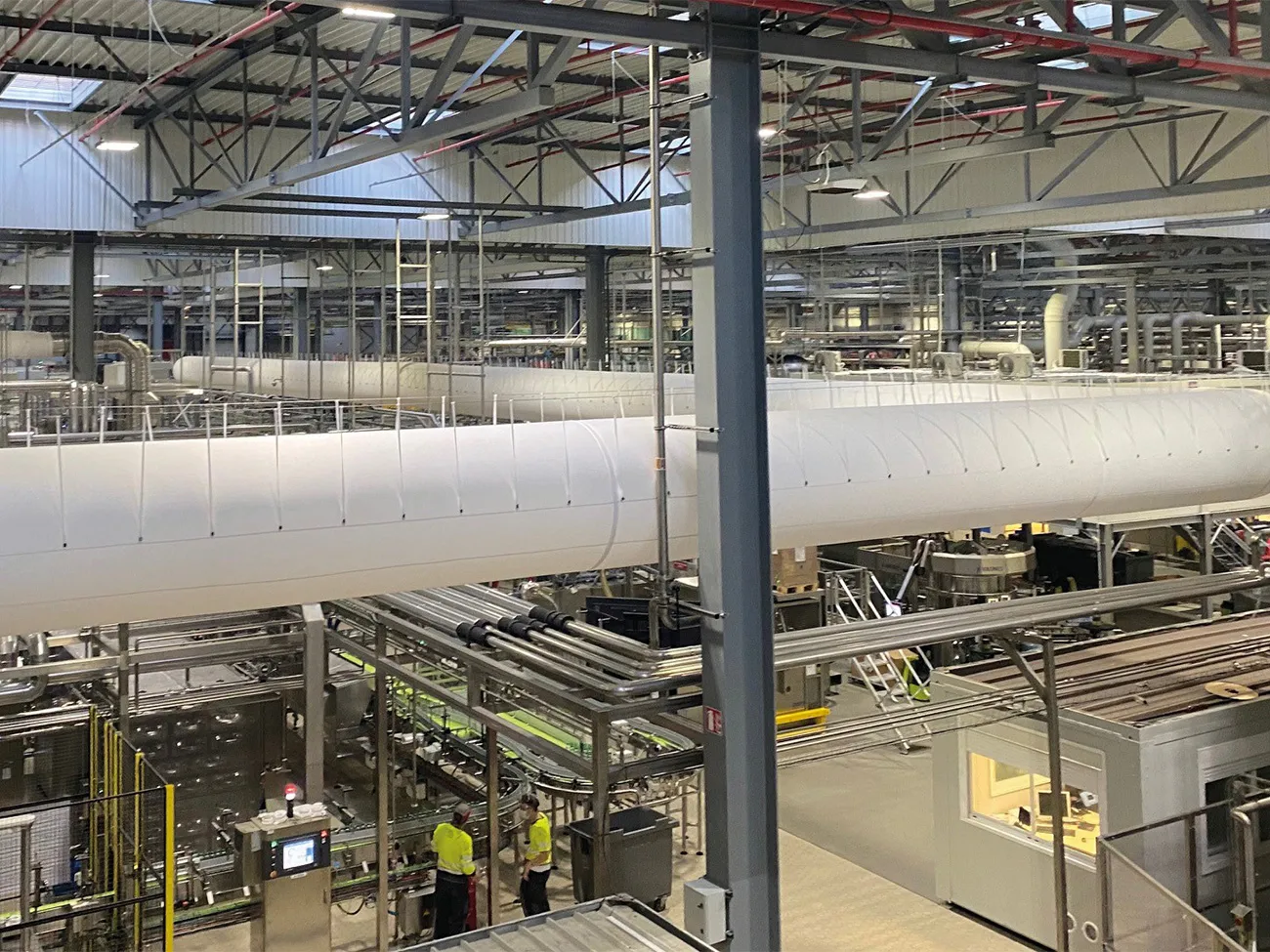
The principle is clear. Anything that comes into contact with food, directly or indirectly, must meet stringent hygiene requirements. This also applies to an ever-present yet often invisible element: air. In addition to contamination, draughts, temperature fluctuations and condensation are among the key concerns. The choice of air ducting can have a significant influence on all of these.
There are essentially three main material options for air ducts: plastic, fabric or metal. Although the last of these has traditionally been the most widely used, especially galvanised steel and aluminium, the food industry would do well to consider fabric ducting more often. Wesley Verlez of Prihoda, part of the Linum Group in Kuurne, explains why.
Hygiene
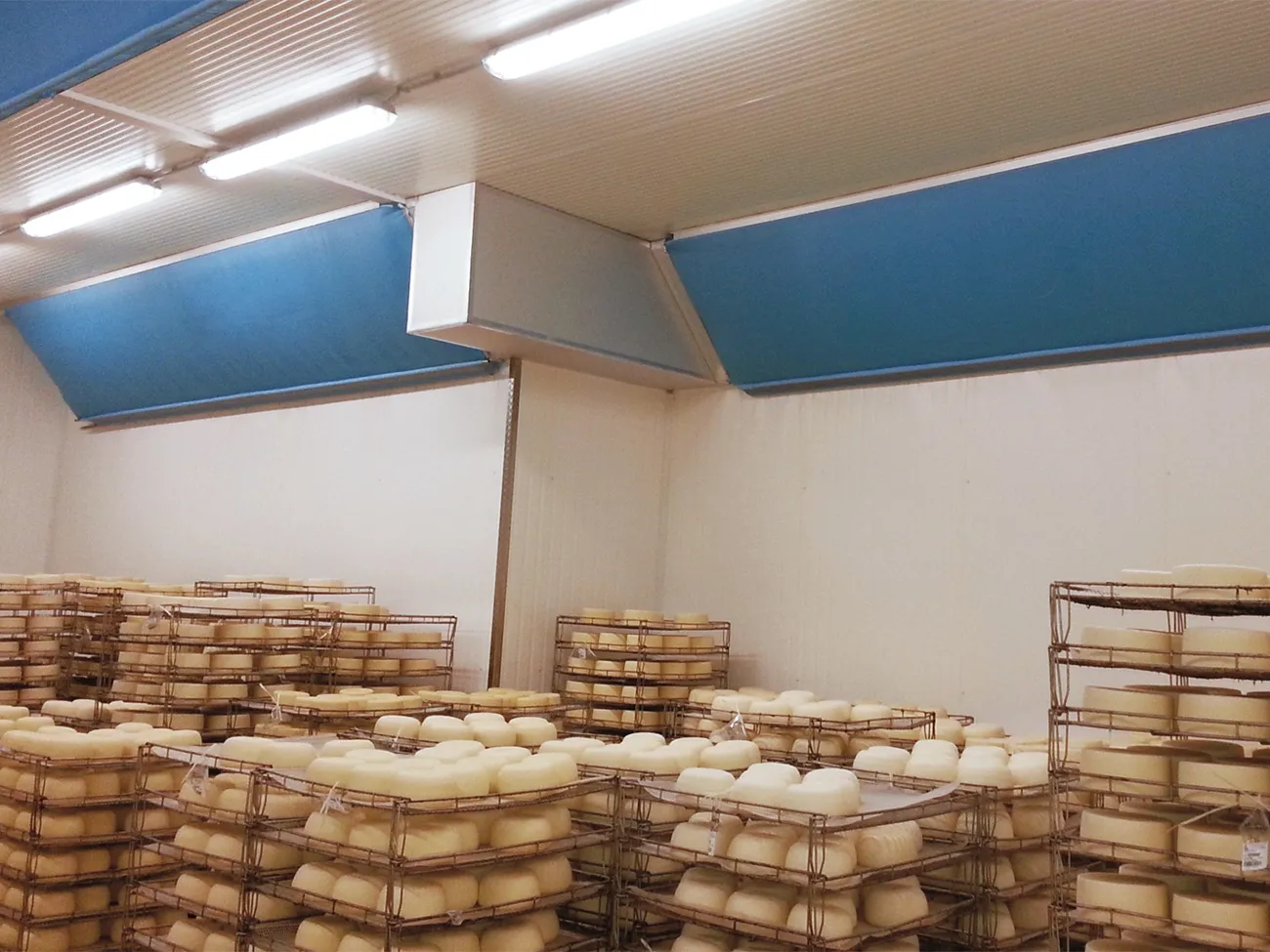
Let’s start with the basics: hygiene. Prihoda ducts are made from hygienic, 100% washable fabric, which is an obvious advantage in this respect, but according to Verlez that is far from the whole story. “Fabrics with antibacterial properties are also available. They have a silver nanolayer on the inside that prevents bacterial growth, ensuring that bacteria are never blown onto food products. Certificates confirm that bacterial growth remains at 0% even after ten washes. It is no coincidence that the first applications for fabric ducting were in the food sector. Unlike metal, for example, fabric is perfectly suited to humid environments and is completely free from condensation, regardless of whether warm or cold air is flowing through the ducts. This means there is no risk of condensation droplets falling from the ducts onto food.” In addition, fabric ducting delivers a uniform airflow without draughts or temperature fluctuations. This, too, is an important consideration in sensitive production environments such as those found in the food industry.
Comfort
Food products are not the only things that can be affected by draughts and temperature fluctuations. People can be affected too, particularly when they stand or sit in the same place for long periods. “There is a reason why workplace indoor air regulations are set out in a Royal Decree. They affect not only people’s health, but also their general wellbeing and, consequently, their productivity.” Alongside overall indoor air quality and uniform airflow, Verlez also highlights acoustics. “An NR, or Noise Rating, of 35 is generally considered acceptable. To achieve that standard with, for example, galvanised steel ducts, they usually have to be fairly large. Fabric ducts are different. They absorb the sound of the airflow more effectively, making an NR of 30 achievable even with small diameters.”
Cost
Smaller ducts also mean lower investment. “Fabric ducts are the clear winner in this respect. They are lightweight and compact, and are made to measure and ready to install. This means lower transport costs, faster installation and less stringent structural requirements, for example in terms of suspension and stability.” The fact that cooling requires up to 50% less airflow can also lead to a substantial reduction in air handling operating costs.
Sustainability
Prihoda’s fabric ducts are made as standard from polyester and, depending on the application, are supplied with or without a membrane. When the ducts are used for both cooling and heating, the membrane determines their function. Prihoda also offers fabric ducts made from 100% recycled material under the REPREVE brand. Specifically, 1 m² of REPREVE fabric is made from thirteen empty PET bottles. “We substantiate this sustainable origin with the relevant EPD certificates. Choosing Prihoda REPREVE can therefore earn an additional credit in the BREEAM Mat 03 category, Responsible sourcing of materials, and thus contribute to a higher BREEAM score.”
Question about this story? Ask your question
Companies in this story

Keep following this
Get an email when a new story is published. No account needed.
- ThemeFood safety from design to audit
- SubjectSolutions
- CompanyPrihoda nv







