A considered grip for packaging buckets
Text Kris VandekerckhoveImage Plastibac
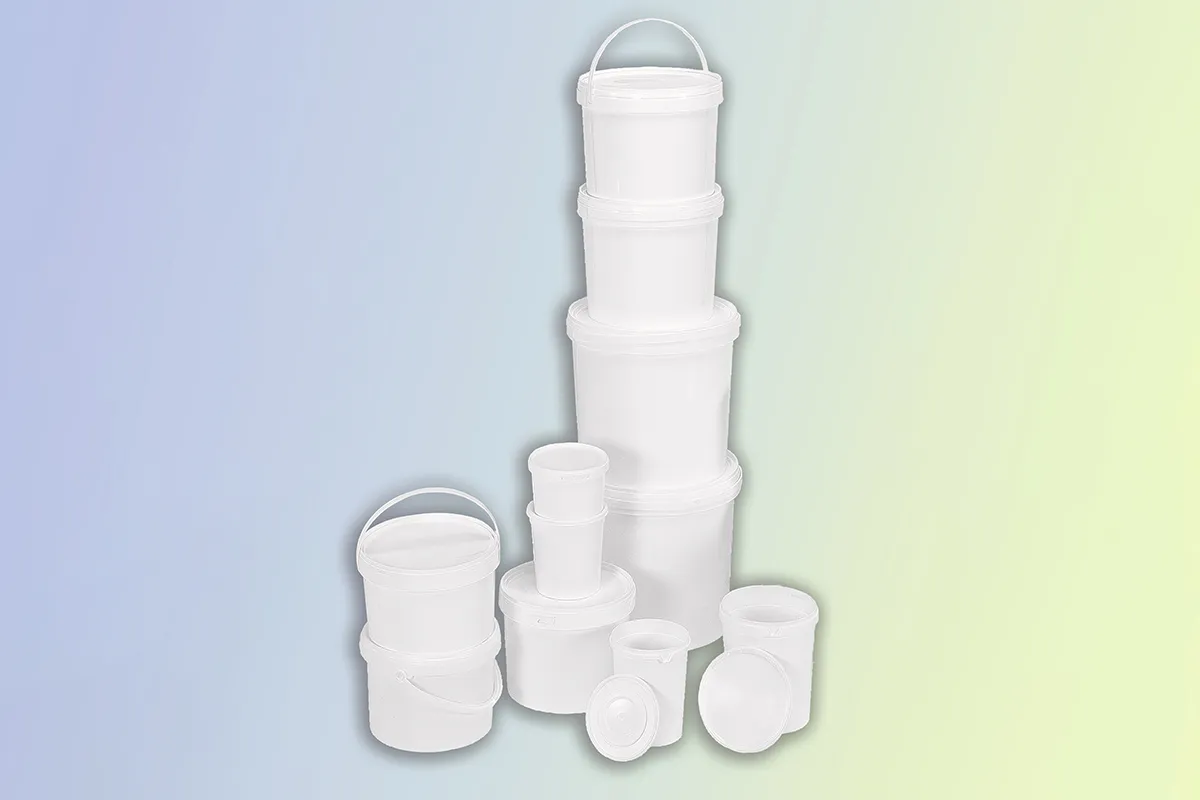
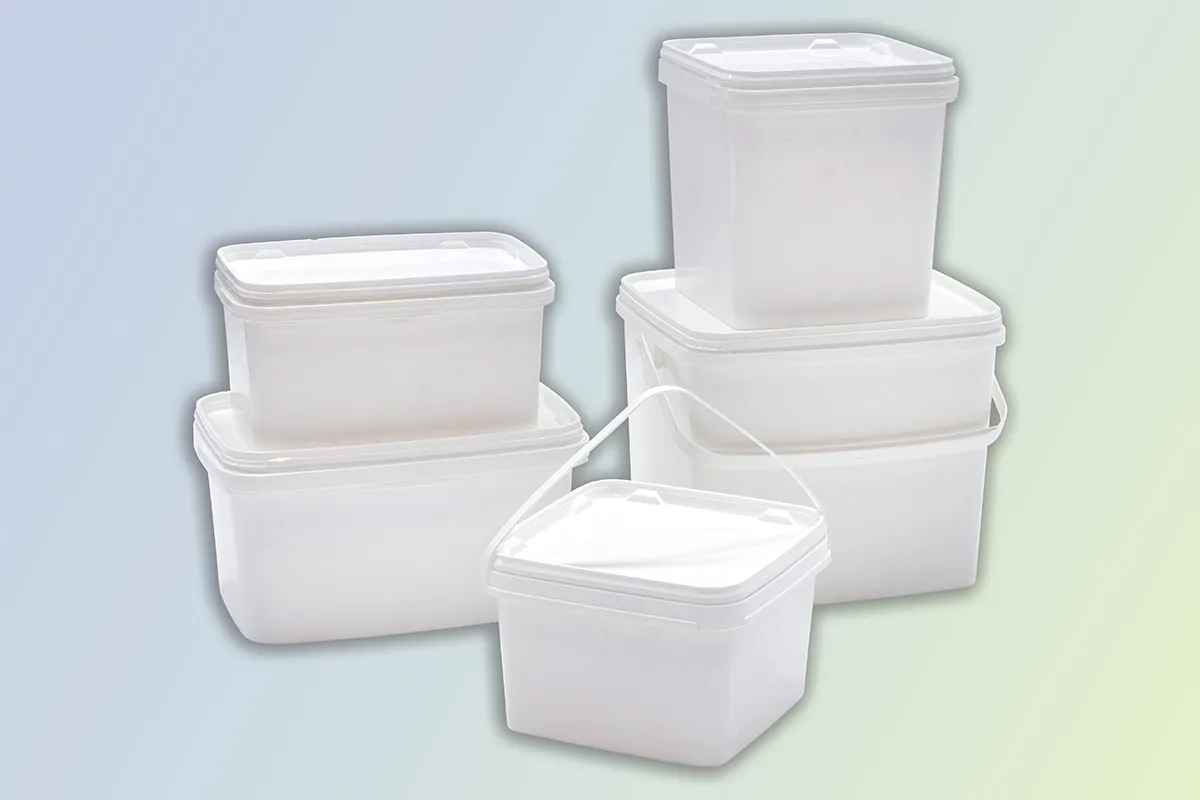
Packaging buckets, available in various sizes, may seem like a straightforward product. Yet innovation is happening here too. For years, buckets had a metal handle, especially the larger sizes, but today there is a clear shift towards plastic. A small change at first glance, but one with major implications for sustainability, efficiency and ease of use.
Traditionally, metal handles were known for their strength and reliability, but they also made recycling more difficult. The metal had to be separated from the bucket before processing, a time-consuming step. The new PPWR regulation, meanwhile, places particular emphasis on single-material packaging, starting in mid-2026.
One material, one waste stream
“By making both the bucket and the handle from plastic, we create a single-material solution,” says Andi Vertriest, Business Unit Manager at Plastibac. “After use, the entire bucket can be disposed of in the plastic waste stream in one go. This makes recycling faster, cheaper and more efficient. It also preserves material quality, as there is no contamination from different components.” The result is packaging that is not only easier to process, but also perfectly aligned with the circular ambitions of the food industry.
Sustainability and user comfort
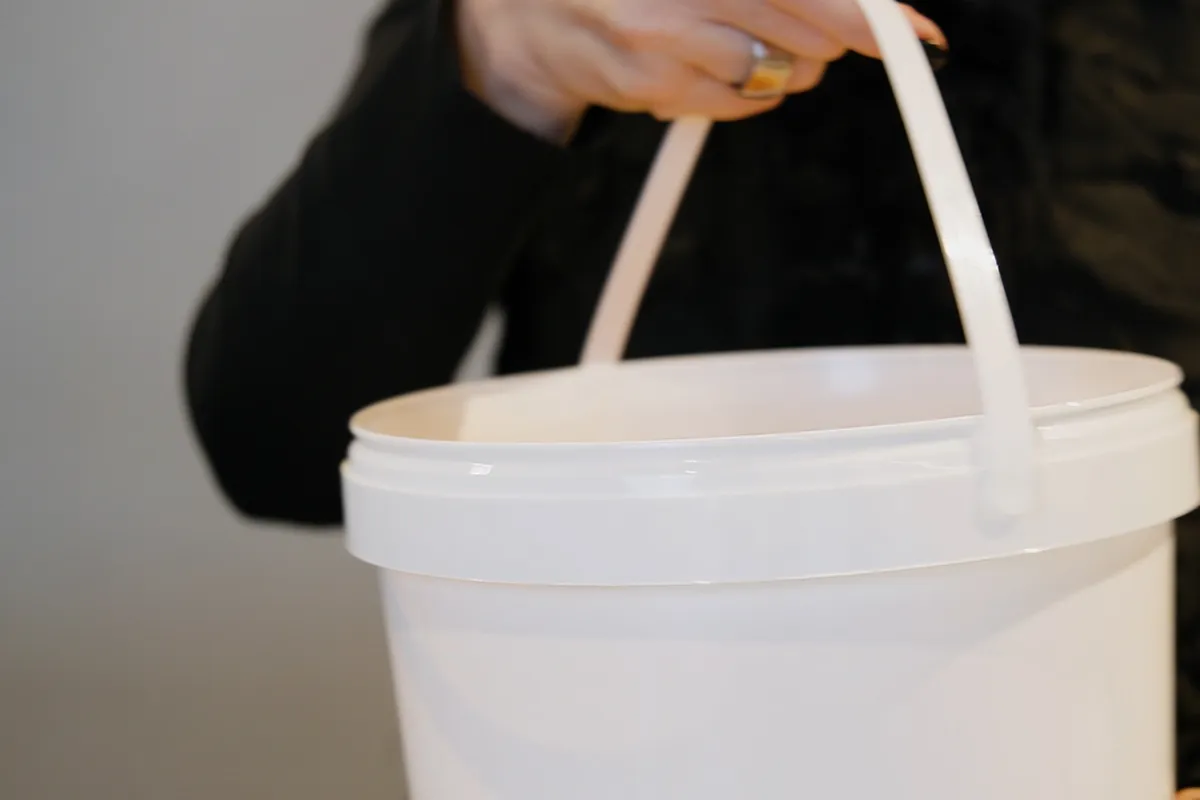
Alongside the sustainability benefits, there are tangible advantages for users. Modern plastic handles are ergonomically designed and can carry the same load as their metal counterparts. “A plastic handle feels more comfortable in the hand,” Vertriest continues. “That may seem like a small detail, but it makes a big difference to people who work with these buckets every day. It improves safety and comfort in practice. There was resistance in the market for a long time because metal is perceived as stronger, but nothing could be further from the truth.” Hygiene remains crucial in the food industry, where strict standards apply. Although a handle would not normally come into direct contact with food, the market is increasingly asking for food-contact materials. That is why Plastibac uses virgin plastic to manufacture its handles.
Responding to market demand
The shift from metal to plastic is no coincidence. Retailers, food companies and consumers are increasingly calling for packaging that is easier to recycle and has a lower environmental impact. “As a supplier, we are responding to that demand,” says Vertriest. “Companies want certainty: a bucket that is strong enough, safe to use and sustainable. By choosing plastic, we offer that complete package. It is a logical step forward for the market.” Small changes to packaging can make a big difference. The bucket becomes safer and more comfortable for users, more efficient for producers and more sustainable for the environment. The move from metal to plastic is therefore a considered choice. It is an investment in the future of the food industry, and a clear example of how innovation and sustainability reinforce one another.
Have a business enquiry for Plastibac NV? Get in touch
Companies in this story
Keep following this
Get an email when a new story is published. No account needed.
- ThemePackaging and product traceability
- SubjectSustainability
- CompanyPlastibac NV