Are meat alternatives the healthier choice?
Text Valérie CouplezImage iStock
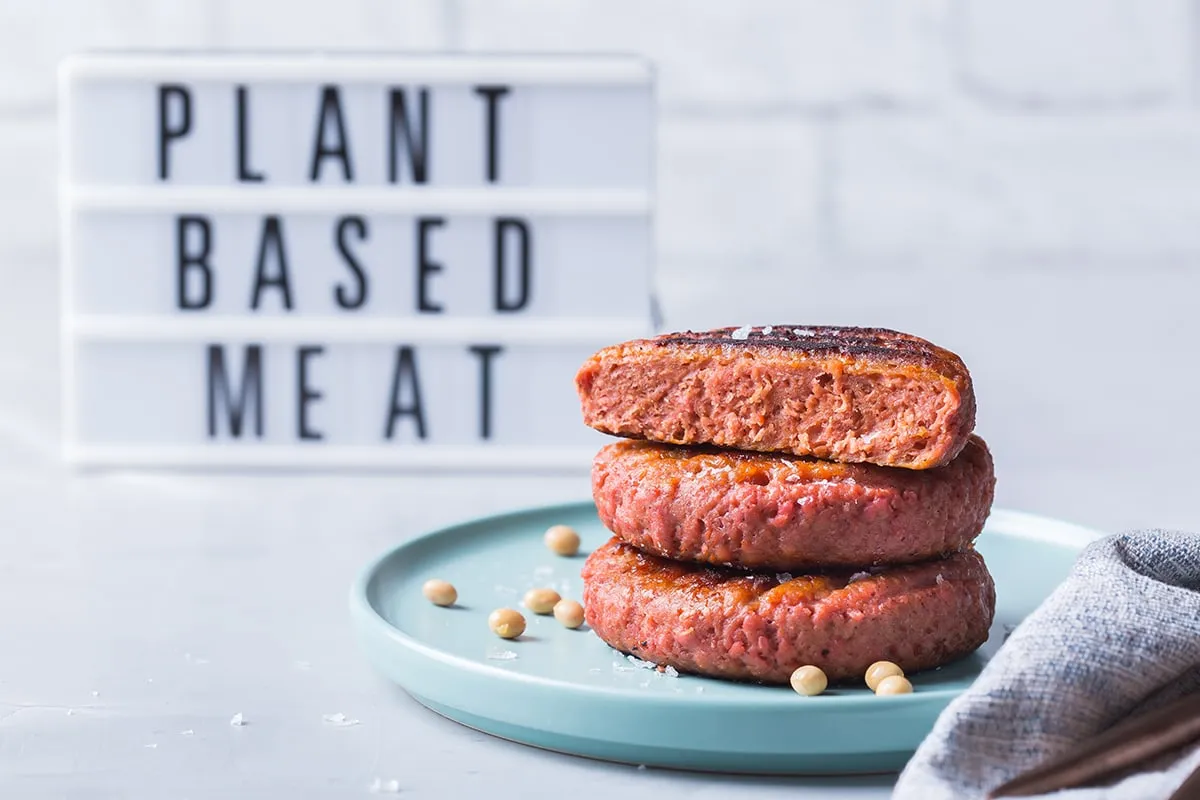
Consumers have questions about plant-based meat products. Do they meet dietary guidelines? Can they compete with traditional meat products? And are they healthy? A study led by ProVEG Nederland compared the nutritional value of 130 meat alternatives available in Dutch supermarkets with 41 animal-based reference products. It found that plant-based meat alternatives are often a healthier choice than the animal-based meat products they replace.
For meat alternatives, the researchers used the nutritional information shown on the packaging. For the animal-based reference products, ProVeg used the nutritional values in the Dutch Food Composition Database (NEVO). On average, the plant-based products in the study contained less saturated fat, fewer calories and considerably more dietary fibre. They also had a similar proportion of calories from protein. This indicates that meat alternatives often have a slightly better nutritional profile than animal meat, particularly red and processed meat. When fortified, the plant-based products also had higher iron and vitamin B12 content.
Significant differences in nutritional composition
The study notes, however, that the nutritional composition of plant-based meat varies considerably between products and brands, just as it does between different types of meat products. Some brands perform well against the Voedingscentrum’s criteria, while others fall short. Brands also differ in their salt content, with some being generally high in salt and others low. This indicates that some companies are working more actively than others to reduce salt. In categories where animal-based meat is high in salt and saturated fat, such as smoked sausage, burgers and bacon, meat alternatives also generally fail to meet national health criteria, although they often have a better nutritional profile than the animal-based products. This means you need to check individual products to find out which meat alternatives are the healthiest.
Improve nutritional profiles
What can food companies do with this information? In response to the report, New Food Hub makes the following recommendations to product manufacturers. They should prioritise improving the nutritional profiles of their plant-based meat alternatives. This includes reducing salt content, further lowering saturated fat and increasing protein and fibre content.
Fortify with essential nutrients
To ensure that meat alternatives are nutritionally equivalent to animal meat and meet consumer demand for healthier alternatives, manufacturers should fortify plant-based meat products with essential nutrients such as iron and vitamin B12.
Improve labelling and transparency
Improve product labelling to provide clear and accurate information about the nutritional content and value of plant-based meat alternatives. Explore opportunities to increase your marketing potential with appropriate claims about protein, fibre and vitamin content. When highlighting nutritional benefits, also emphasise the product’s tastiness, so consumers do not associate healthier products with sacrificing flavour.

Innovate
Continue investing in research and innovation to develop healthier, tastier plant-based meat alternatives. This includes exploring ways to reduce salt, a particular concern for plant-based chicken manufacturers, and saturated fat, while improving taste and texture.
Segment the market
Recognise that different consumer segments may have different preferences and dietary requirements. Develop a range of plant-based meat products to cater for different tastes and nutritional needs.
Collaborate
Work with health organisations, government agencies and consumer groups to establish industry standards and guidelines for plant-based meat products. Seek alignment on nutrient fortification and other health-related aspects.
Support consumer education
Invest in consumer education initiatives to raise awareness of the nutritional benefits of plant-based meat alternatives and provide guidance on making healthier choices within this category.
Engage with regulators
Advocate for consistent and clear regulations across all regions on the categorisation and labelling of plant-based meat products, ensuring they align with health-focused criteria.
Address research gaps
There is limited research into the actual health effects of meat alternatives compared with traditional meat. Advocate for and conduct further research to address these gaps and improve the products.
Question about this story? Ask your question
Keep following this
Get an email when a new story is published. No account needed.
- ThemeDeveloping new foods
- SubjectSustainability