Clean label: know what you eat
Text Valérie CouplezImage iStock
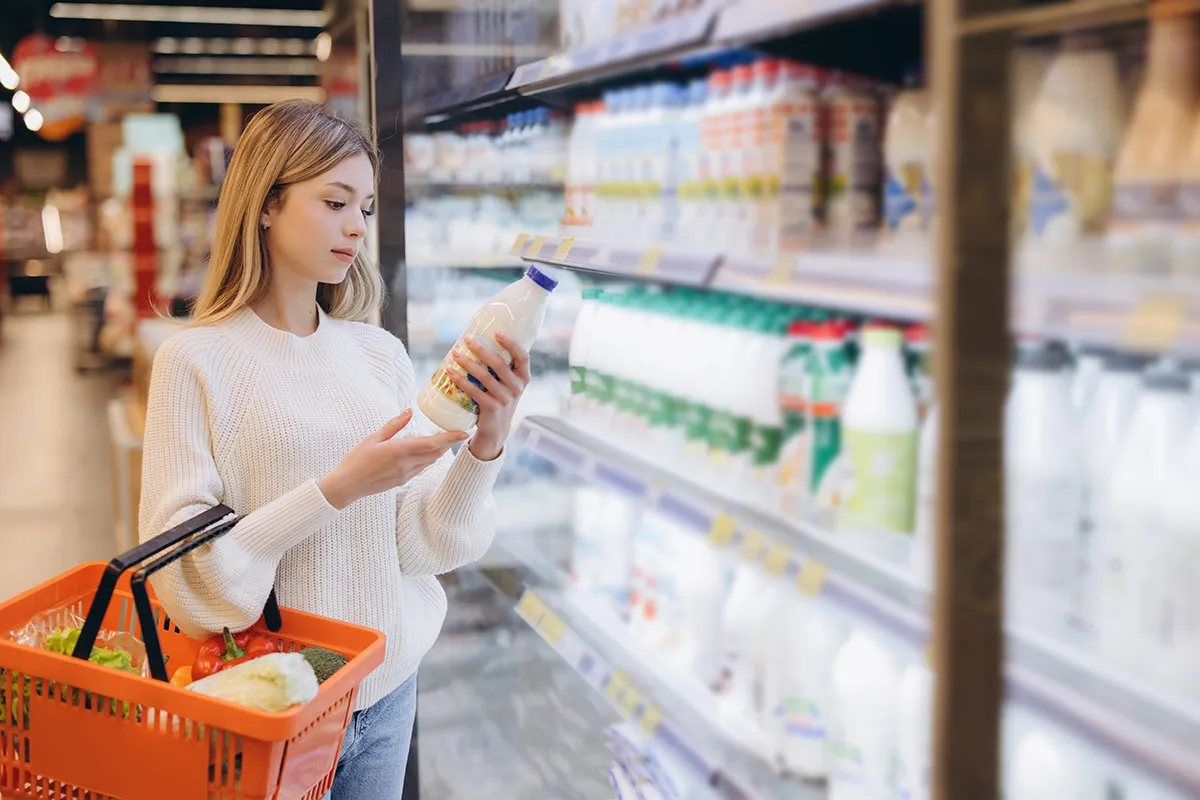
The clean label movement has fundamentally changed the way consumers view food. Awareness is growing of the effects of artificial additives, preservatives and excessively processed ingredients on health and the environment. Clean label products, which emphasise simplicity, transparency and natural origins, are the new gold in the food industry.
According to a Nielsen survey, 75% of consumers worldwide say they are willing to pay more for products that promise clean label attributes, such as the absence of artificial colours, flavours and preservatives. This statistic underscores the significant influence of the clean label movement on purchasing decisions. Consumers are looking not only for products with shorter, more recognisable ingredient lists, but also for brands that are transparent about their sourcing and production processes.
Benefits of clean label
The benefits of clean label ingredients go beyond consumer health and also extend to environmental sustainability. By prioritising natural and minimally processed ingredients, companies can reduce their environmental footprint. Clean label products also often support local agriculture and fair trade practices. The result is a ripple effect throughout the food industry. Manufacturers are reformulating existing products and developing new ones to meet clean label standards. Maintaining sensory properties, including flavour, texture and appearance, while also meeting shelf-life requirements calls for considerable innovation and investment. Brands that successfully make this transition not only strengthen their market position, but also build stronger, more trusting relationships with consumers.
Innovative ingredients
Innovation is essential to this story. Companies are using advanced technologies and extensive research to develop natural ingredients that offer the same, if not better, functionality as their artificial counterparts. These innovations are crucial to maintaining product quality and consumer satisfaction. Consider, for example, the development of plant proteins. These proteins not only cater to the growing vegan and vegetarian markets, but also offer a sustainable alternative to traditional animal proteins. Natural preservatives are another area of focus. Traditional preservatives such as sodium benzoate and potassium sorbate pose potential health risks. In response, scientists are exploring natural preservatives such as rosemary extract, vinegar and fermented ingredients, which can extend shelf life without compromising safety or quality. Organic emulsifiers and stabilisers are also gaining popularity. These ingredients help maintain the consistency and texture of products, ensuring they meet consumer expectations. Ingredients such as sunflower lecithin and acacia gum offer natural alternatives to synthetic emulsifiers.
Challenges on the road to success
Although the benefits of clean label ingredients are clear, the path to achieving them is fraught with challenges. One of the main obstacles is finding natural ingredients that are both effective and cost-efficient. Natural ingredients often come with higher costs and supply variability, which can affect production stability and pricing. Ensuring product stability and shelf life without artificial preservatives is another major challenge. While natural preservatives are safer, they do not always offer the same effectiveness as synthetic preservatives. This can lead to product spoilage and a shorter shelf life, affecting both manufacturers and consumers. Regulatory compliance is also a crucial factor. Different markets have different standards and regulations regarding what constitutes a clean label.
Companies must navigate this complex regulatory landscape to ensure their products meet local standards while substantiating their claims. This often requires extensive testing and documentation, adding to the cost and complexity of production.
Conclusion
The future of clean label ingredients looks promising, thanks to ongoing innovation and changing consumer preferences. As technology advances and more natural alternatives become available, the barriers to producing clean label products will fall. Companies that stay ahead of these trends and invest in clean label solutions will be well placed to lead the market and meet growing demand for healthier, more transparent food products.
Question about this story? Ask your question
Keep following this
Get an email when a new story is published. No account needed.
- ThemeDeveloping new foods
- SubjectSustainability