Consumer preferences, food safety and sustainability in the dairy industry
Text Geert Van CauwenbergeImage Inex
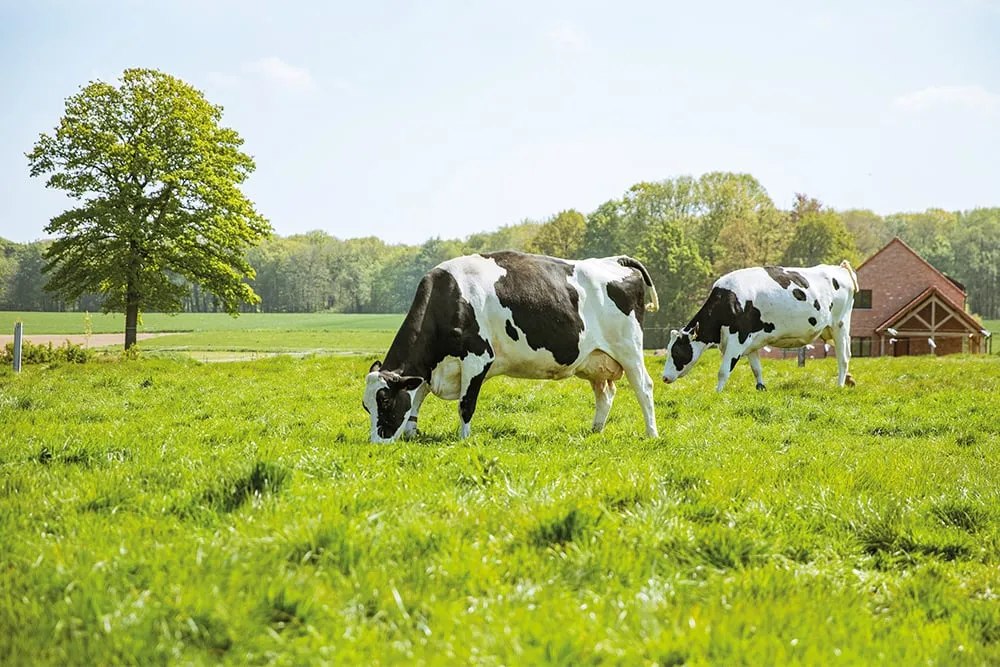
In 2024, the Belgian dairy industry faces enormous challenges. According to figures from BCZ, the Belgian Confederation of the Dairy Industry, the milk price rose by no less than 47% in 2022 alone. A lack of legal certainty and room for development for dairy farms is also a key concern. Yet the sector has proved highly resilient, thanks to technological innovation and a strong focus on R&D. How does Barbara Kerkaert, R&D Manager at Inex in East Flanders, view these developments?
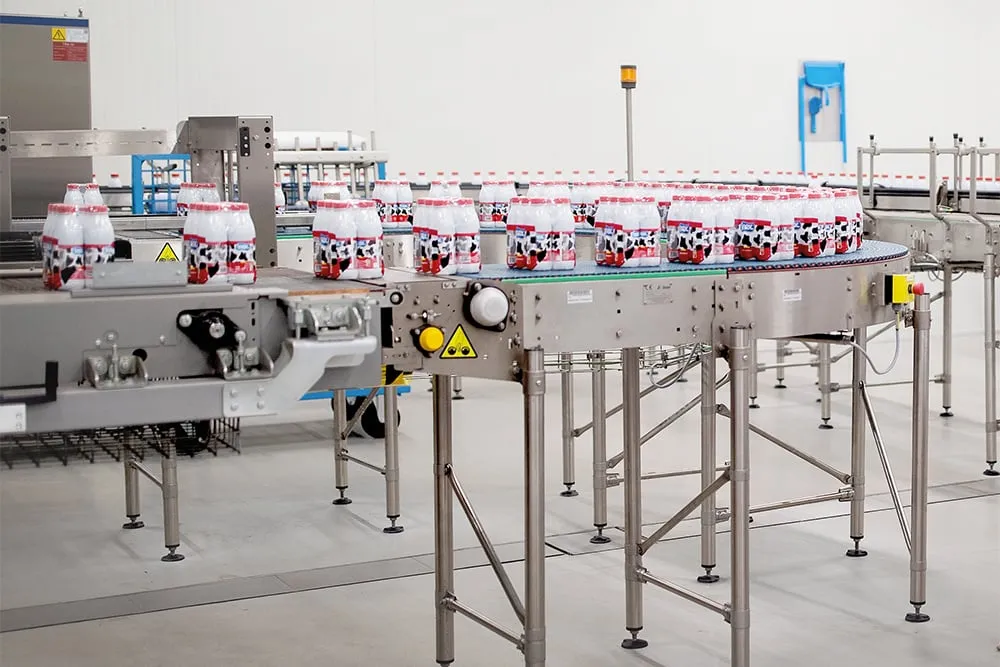
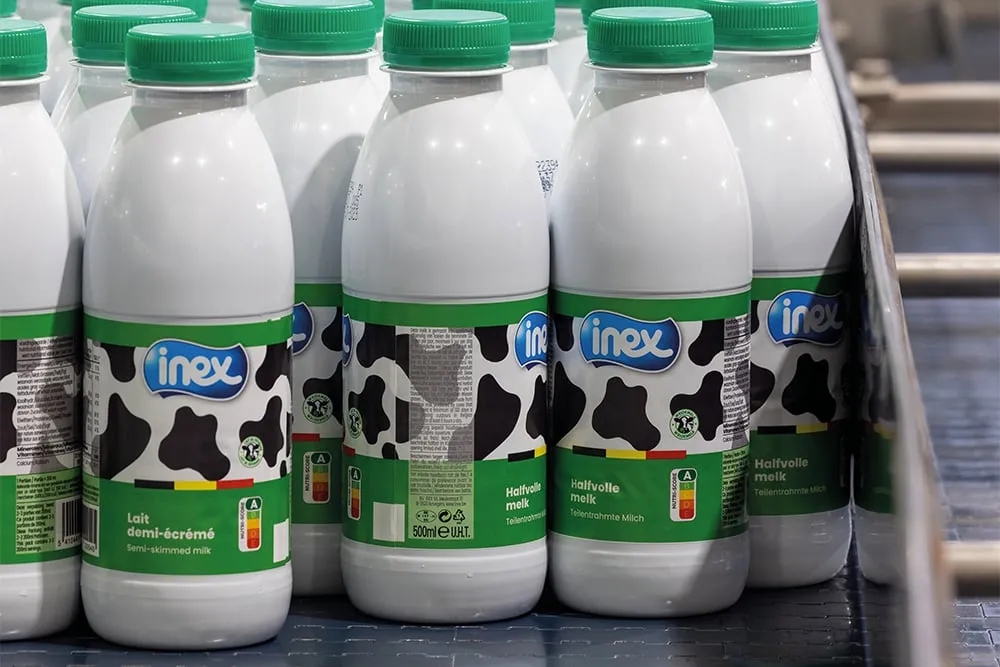
“Changing consumer preferences, strict food safety regulations and the need for sustainable production processes make the role of R&D Manager in the dairy industry particularly interesting,” says Kerkaert. “Inex’s production and range of dairy products have changed significantly over the past decades. Whereas the family business once focused on traditional dairy products such as milk, yoghurt and cream, today we offer our customers a wide range of dairy varieties. From organic milk to lactose-free milk, from culinary cream to buttermilk and from flavoured milk to growing-up milk, the range is vast. At the same time, we also invest heavily in quality certifications (IFS Food, EU organic label, etc.). This quality assurance makes Inex a dairy producer and distributor with a strong export position, selling to more than 30 countries, with African and Asian countries among its key markets.”
Tastes differ
Kerkaert and her colleagues see new food trends and changing consumer preferences emerging on every continent. “Our R&D team focuses on today’s trends while also researching the long term,” says Kerkaert. “For example, Inex is working on R&D initiatives to reduce the sugar content of its dairy products, partly in response to the collective working groups for dairy companies organised by BCZ. Another example is our Bambix growing-up milk with cereals, to which we add extra inulin fibre. A strong focus on so-called clean label recipes has also become a key priority. And last but not least, as a dairy producer we are seeing growing demand for high-protein products, a food trend that is not limited to athletes or older people.”
Investing in the future
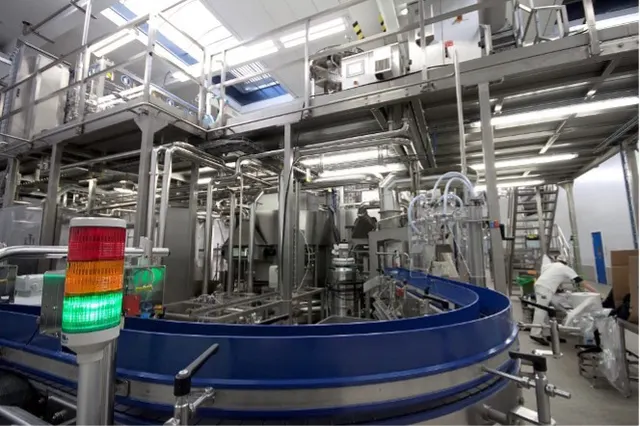
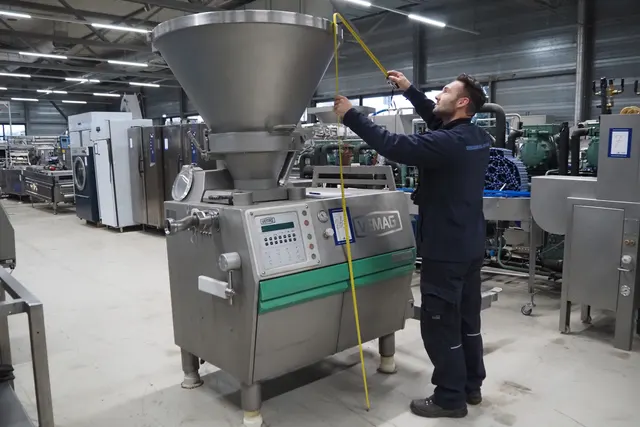
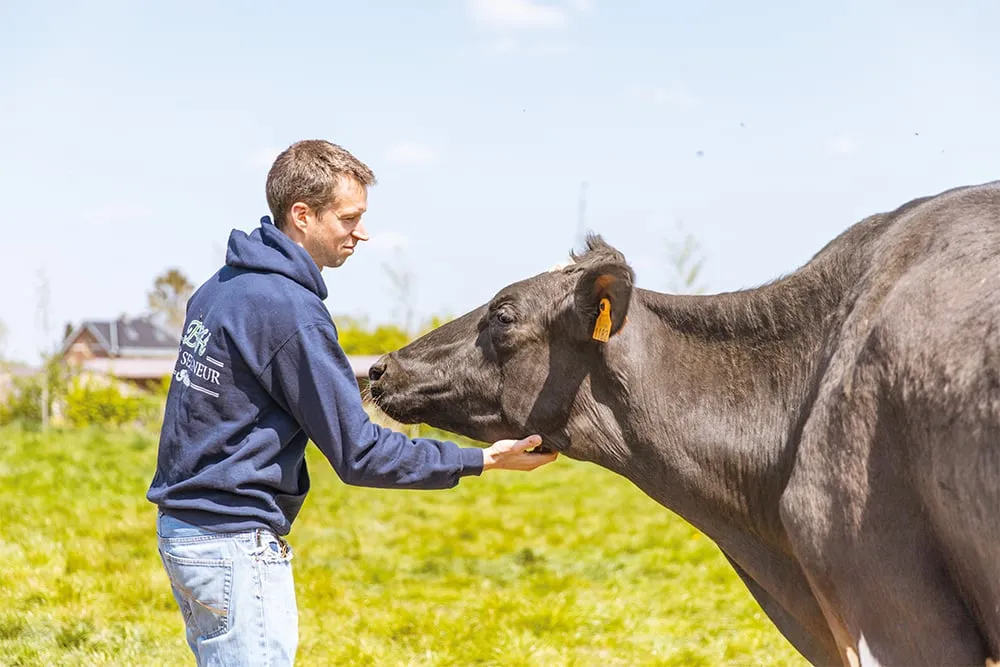
There is no shortage of challenges, so everyone at Inex is working hard to align business processes as effectively as possible with the dairy products of the future. Kerkaert lists some notable investments: “In 2020, we commissioned a new PET line at our production site. This enables us to respond to increased demand for sustainably packaged dairy products. In July this year, we will step up a gear with the launch of a second PET line, which will further reduce plastic use and increase the use of recyclable materials. This new line will also consume less energy and water.” Another example of sustainable business practices: “We regularly sit down with our suppliers, including more than 450 dairy farmers, to thoroughly evaluate our collaboration.” In terms of production, Kerkaert also points to recent investments in new production technologies, including to meet rising demand for lactose-free milk.
Top employer
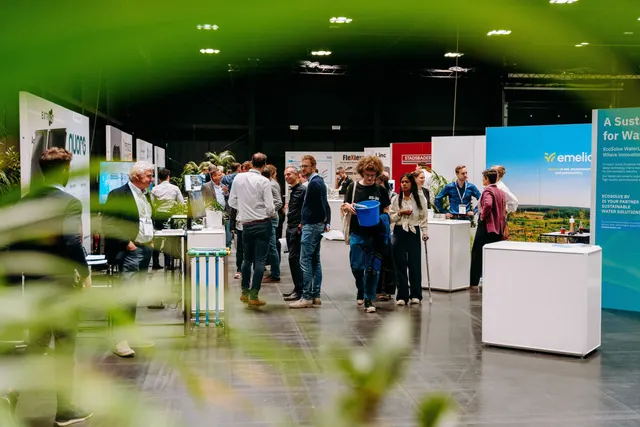
An established family business whose story began in 1898, the company from Bavegem has grown into a major player in the dairy industry. “We are a trusted name among potential new employees with a passion for food. Even so, we continue to invest heavily in corporate branding through various recruitment channels, including job fairs and trade fairs, partly to give our authentic, traditional image in the dairy sector a modern touch. When recruiting operators, laboratory technicians or maintenance engineers, we are proud to showcase our investments in modern production processes. Automation and digitalisation are now an integral part of our sector.”
Question about this story? Ask your question
Keep following this
Get an email when a new story is published. No account needed.
- ThemeFood safety from design to audit
- SubjectSustainability