Durable, heat-resistant flooring
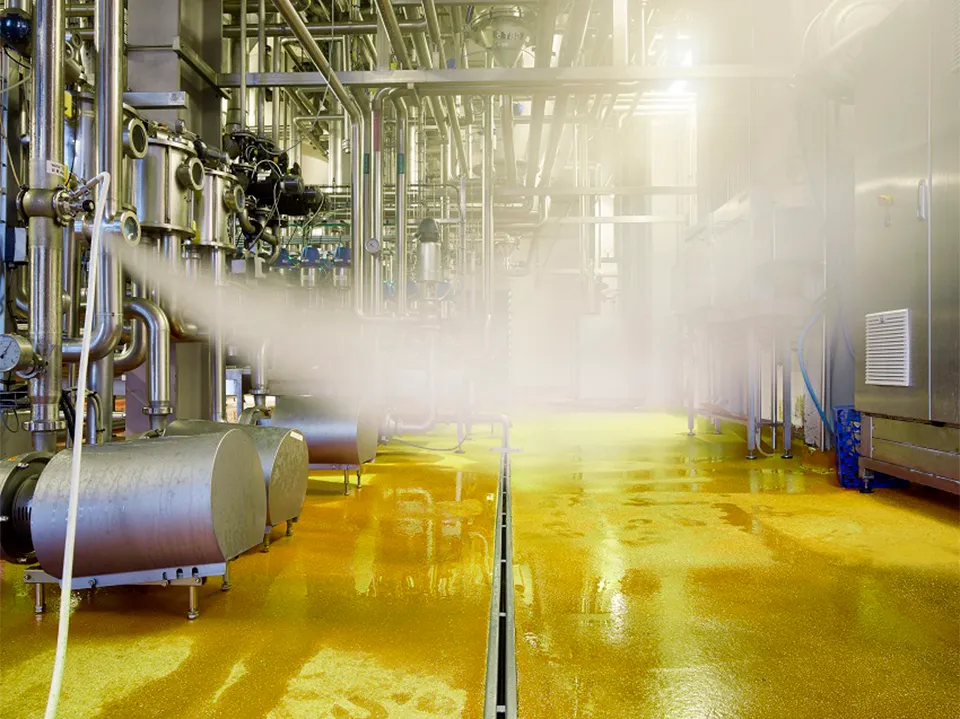
Production processes in the food and drink industry are sometimes exposed to fluctuating temperatures. Examples include frying lines, blanching vegetables and cooking sausages…
Flooring in these environments is also exposed to hot liquids, which may be spilled or drained across the floor. Heat is not the only challenge for industrial floors in the food industry. Freezing temperatures also pose a challenge, for example in areas where nitrogen is processed. Cryogenic spills are another serious challenge for industrial floors. Choosing the right industrial floor is essential for the safety of the production process and employees.
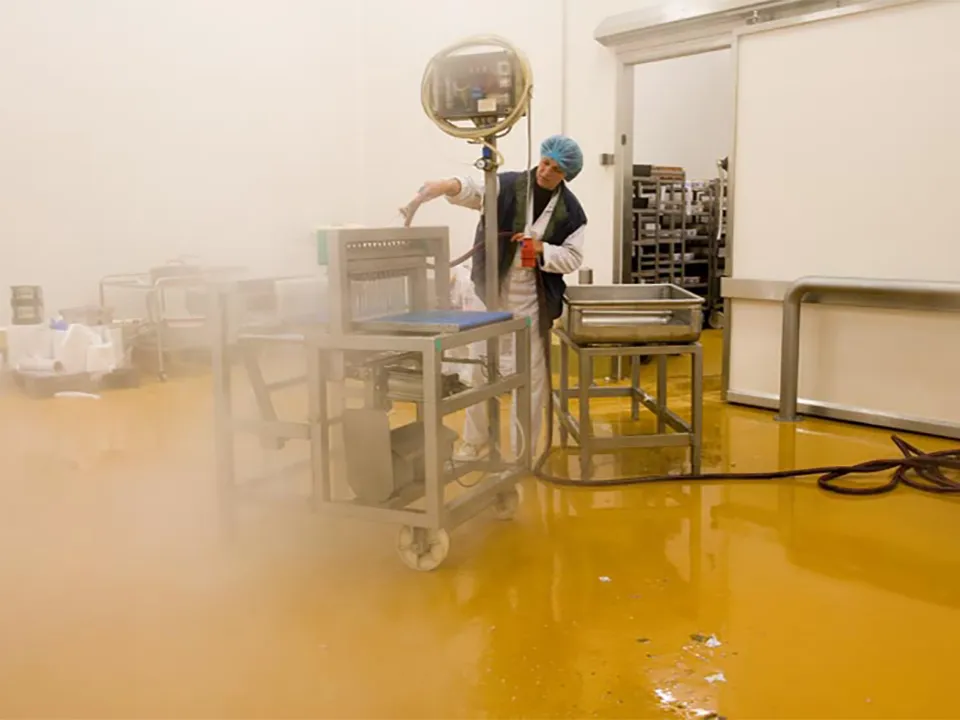
How do you choose the right industrial floor?
Traditional resin floors, such as epoxy or polyurethane flooring, soften at temperatures above 60°C. The flooring may debond or crack, making it harder to clean and creating a source of bacteria. Cracked or debonded flooring also increases the risk of accidents.
Any food processor working with boiling liquids or at temperatures below zero has a strong interest in choosing an industrial floor that can withstand these extreme temperatures. Choosing the right floor extends its service life, prevents repairs caused by cracking or debonding and improves safety.
Ucrete industrial floors are specially designed for the food industry, where work takes place at extreme temperatures. Their high strength and heat resistance make Ucrete resistant to periodic discharges of boiling water and hot frying oil, and able to withstand temperatures from -40°C to 130°C and spills of up to 150°C.
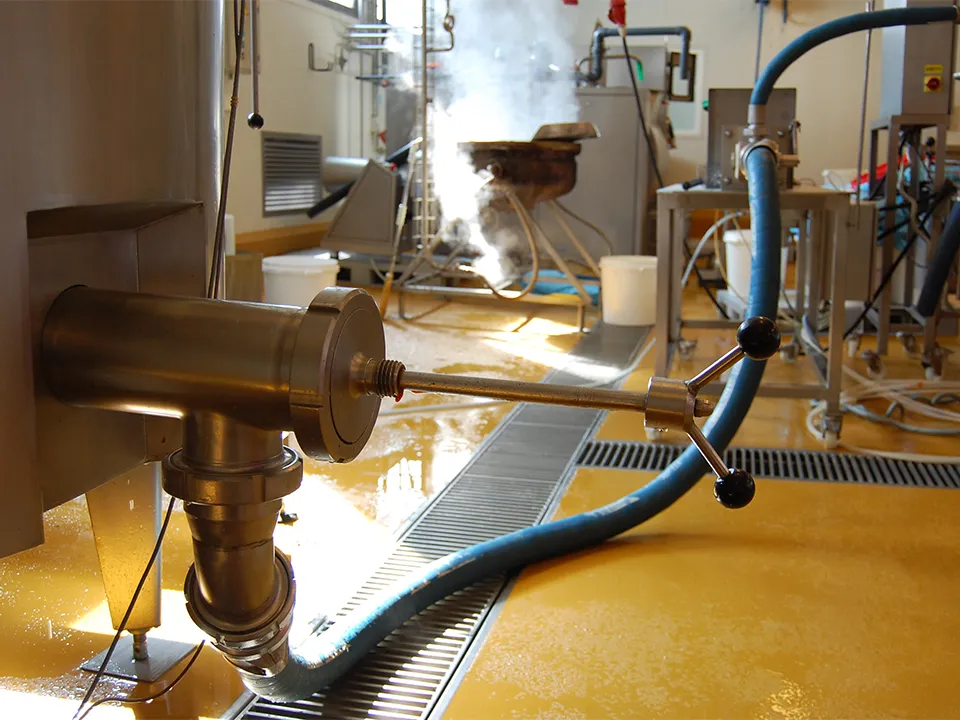
The different thicknesses available for Ucrete make it possible to specify the right industrial floor for the requirements of each area. Ucrete is available in thicknesses of 4 mm, 6 mm, 9 mm and 12 mm. Greater thickness protects the bond surface from the immense stresses caused by extreme thermal shock. A 9 mm-thick Ucrete floor, for example, can withstand temperatures up to +120°C, while a 12 mm-thick Ucrete floor can withstand temperatures up to +130°C.
See the strength of Ucrete in the Ucrete destruction challenge video:
Question about this story? Ask your question
Keep following this
Get an email when a new story is published. No account needed.
- SubjectSustainability