How can water consumption be reduced?
Text Valérie CouplezImage iStock
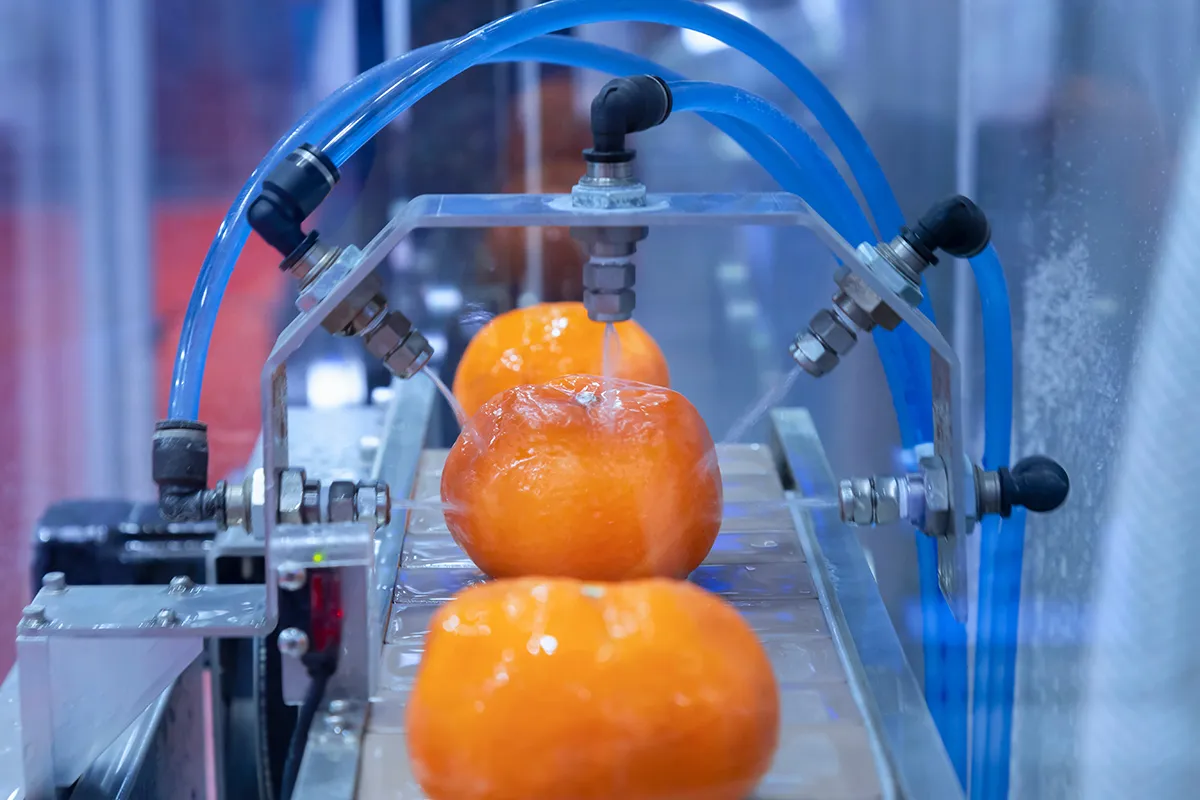
Water is essential in F&B, whether it is used as an ingredient or as a key part of the production or cleaning process. However, it is important to try to reduce water consumption wherever possible without compromising hygiene or quality. This lowers operating costs by making more efficient use of resources, but the environmental benefits are also significant, as reducing water consumption can help restore nature and contribute to a more water-secure world.
It takes 170 to 310 l of water to produce 0.5 l of soft drink, 300 l of water for 1 l of beer, and 140 l for one cup of coffee … In other words, the food industry has a particularly great responsibility to protect water as a resource. If we carry on as we are, United Nations estimates suggest that the world will face a 40% water deficit by 2030. It is high time, then, to consider how the industry can use water more sparingly.
Wastewater treatment
As with any industrial process, a considerable amount of wastewater is generated. To make matters more complicated, the best way to treat wastewater varies depending on what is produced and where your factory is located. Whatever your particular facility produces, however, investing in wastewater treatment can help limit its environmental impact while also reducing operating costs. The key is to find the most effective technology and solutions for your specific production process, while also having a clear idea of where and how you can use the treated water and any by-products.
Precise control
Reducing water consumption can be as simple as using the right technology at the right time. One thing that can make a real difference is greater automation, as systems calculate the exact quantities needed for specific processes and use only that amount, reducing the risk of excessive consumption. This can be applied at various stages of production, whether water is used as an ingredient, in cleaning processes or as a coolant. Automation is just one aspect of modern technology that enables better control over the use of resources. Sensors and meters can also be installed to provide operators and technicians with the data they need to optimise processes. CIP units are also precise and can often store and recycle the water used for cleaning, as well as cleaning agents.
Modern designs
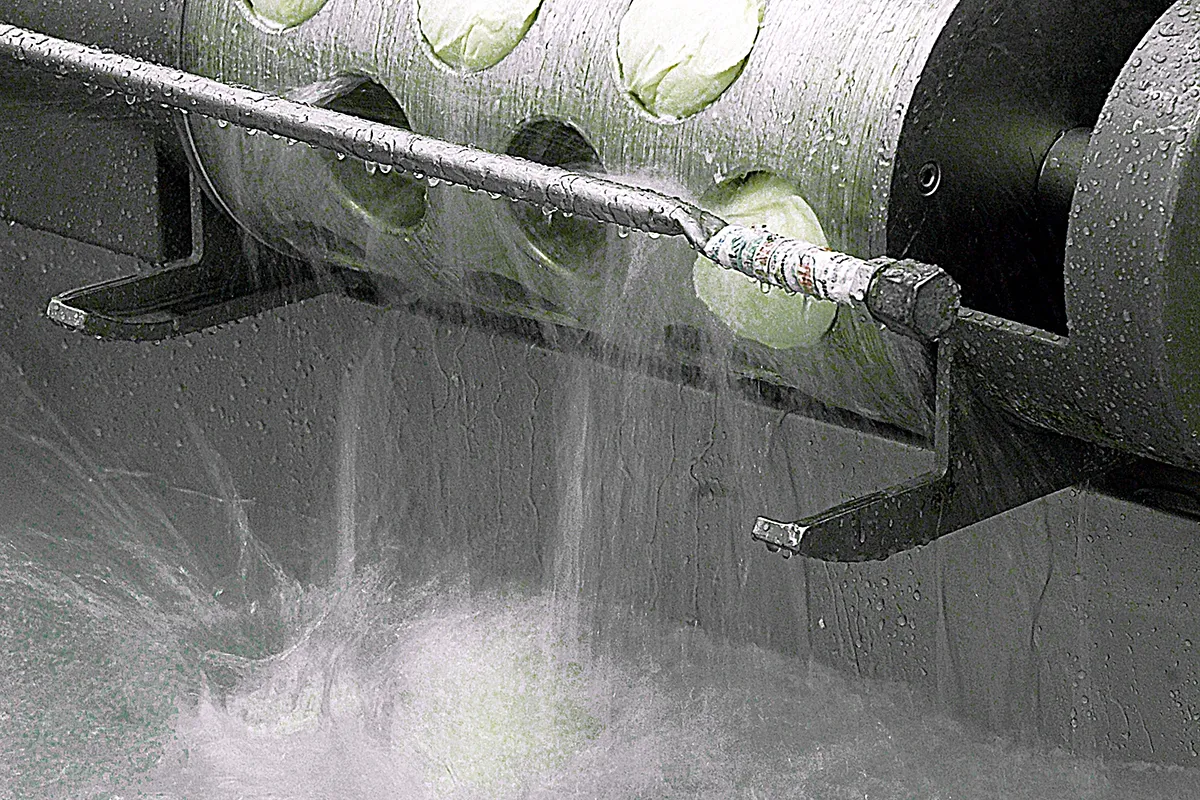
The smallest machine components can have a major impact on water consumption, even seemingly simple elements such as nozzles and spray heads. By analysing huge amounts of data and making it easier to test prototypes, designers can develop new technology more quickly and efficiently than before. This enables efficiency to be improved continuously. For components that control the flow and distribution of water, this often means doing the same job with less water. This is most relevant when it comes to cleaning equipment, as new spray heads and distribution components increase the force and spread of the water while using less overall.
Consider your consumables
Equipment on a food and drink processing line requires regular cleaning and maintenance, and also relies on consumables such as oils and lubricants to ensure consistent, optimal performance. Certain lubricants can eliminate the need for water entirely in some parts of the production process, while also extending equipment life. This brings several benefits, from lower maintenance, water and operating costs to optimised equipment uptime.
Take action everywhere
The ways in which the food industry can reduce water consumption range from greater investment in technology to small, everyday actions or process changes that can make a significant cumulative difference. Even taking a proactive approach by learning how to reduce water consumption in your daily activities can help. Because every ml you save makes a positive difference.
Question about this story? Ask your question
Keep following this
Get an email when a new story is published. No account needed.
- ThemeFood safety from design to audit
- SubjectSustainability