How plastic crates optimise logistics
Text Kris VandekerckhoveImage Plastibac
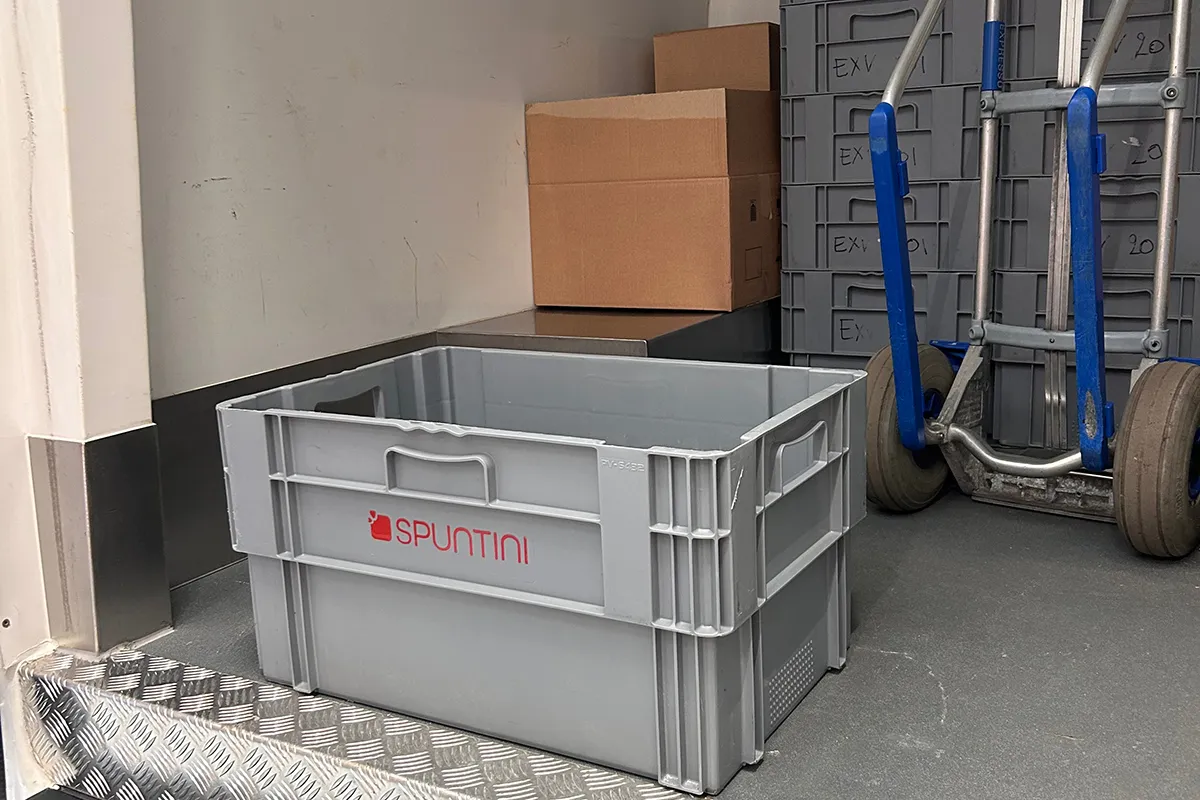
Efficiency and sustainability are crucial pillars of food distribution. Spuntini, a one-stop wholesaler for the hospitality, catering and fast-food sectors, understands this better than most. To optimise its logistics processes while making a positive impact on sustainability, Spuntini partnered with Plastibac, a specialist in plastic load carriers.
As a wholesaler with an extensive product range and a diverse customer base, Spuntini faced the challenge of streamlining its logistics processes. Efficiently storing, transporting and delivering products is essential to meeting the high expectations of the hospitality and catering sectors. There was also a growing need to operate more sustainably and reduce the use of single-use packaging.
Plastic crates tailored to every project
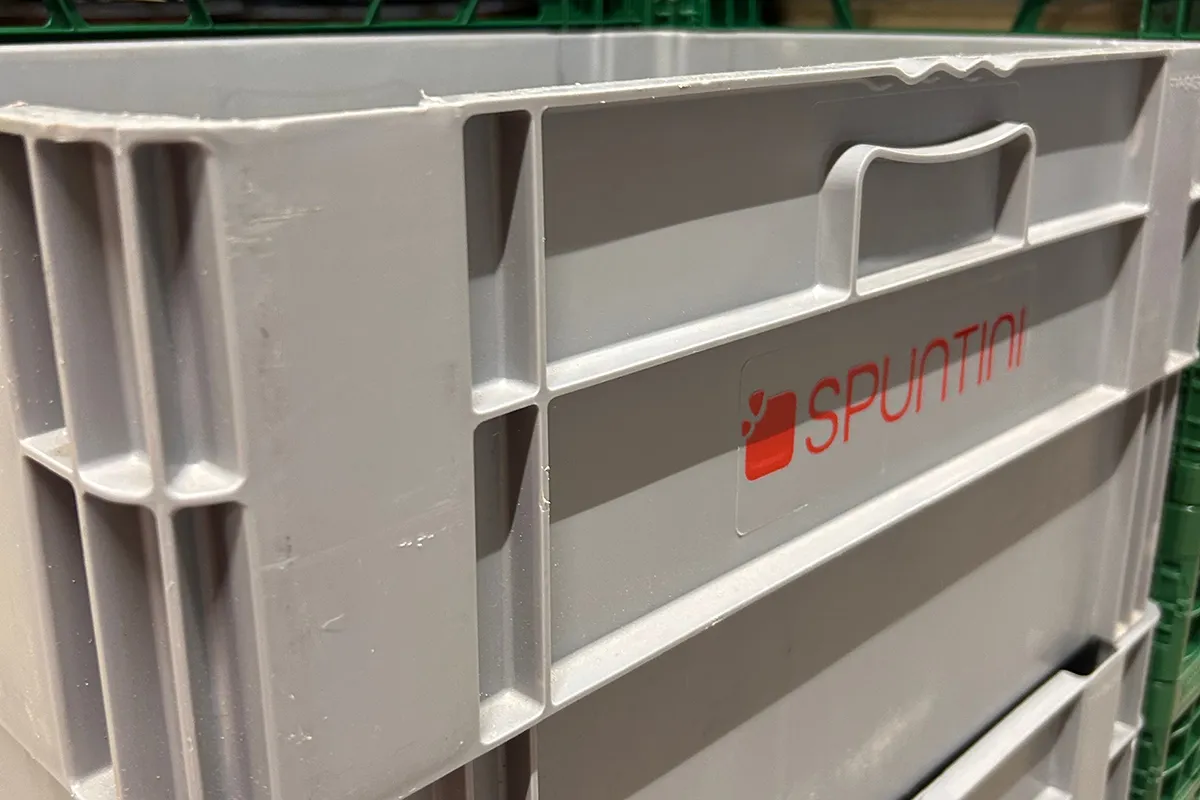
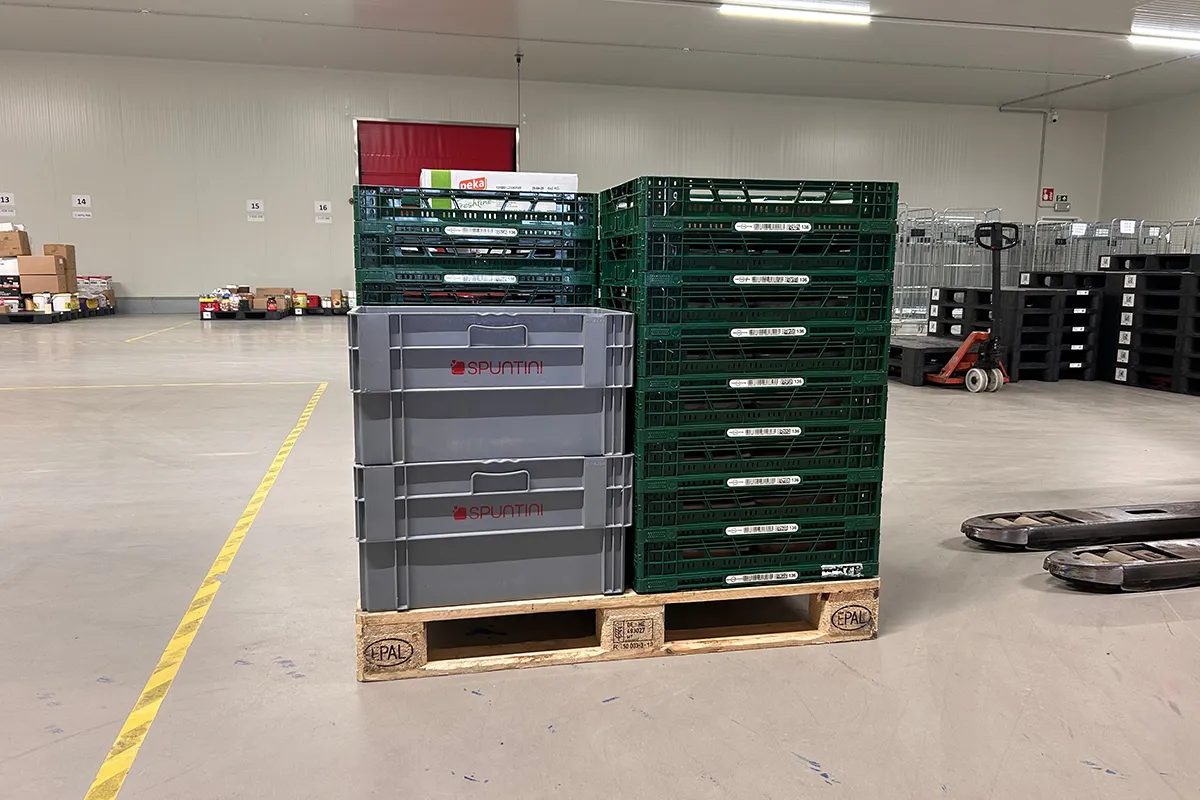
Based in Kuurne, Plastibac supplies high-quality plastic crates, pallets and containers for a range of sectors, including the food industry. After a thorough analysis of Spuntini’s requirements, Plastibac proposed a bespoke solution: reusable plastic crates for storage and transport. These crates are designed to withstand the specific demands of food distribution:
- Durability: The plastic crates are robust and have a long service life, helping to reduce waste and minimise the need for replacements;
- Hygiene: The crates are easy to clean and meet the strict hygiene standards in force in the food sector;
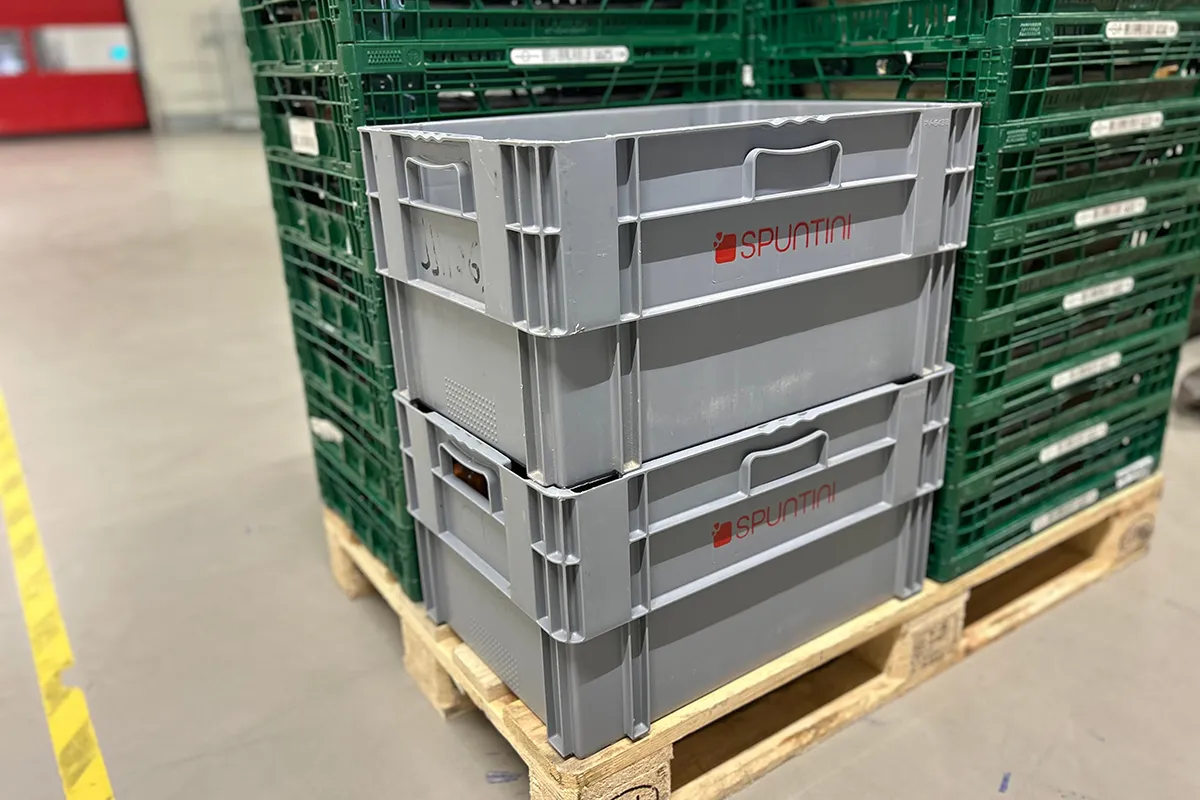
- Efficiency: Thanks to their standardised dimensions, the crates are stackable, optimising space both in the warehouse and during transport. They can also be nested when empty, taking up much less space on return journeys, an added benefit in a supply chain where every cubic metre counts.
Phased implementation
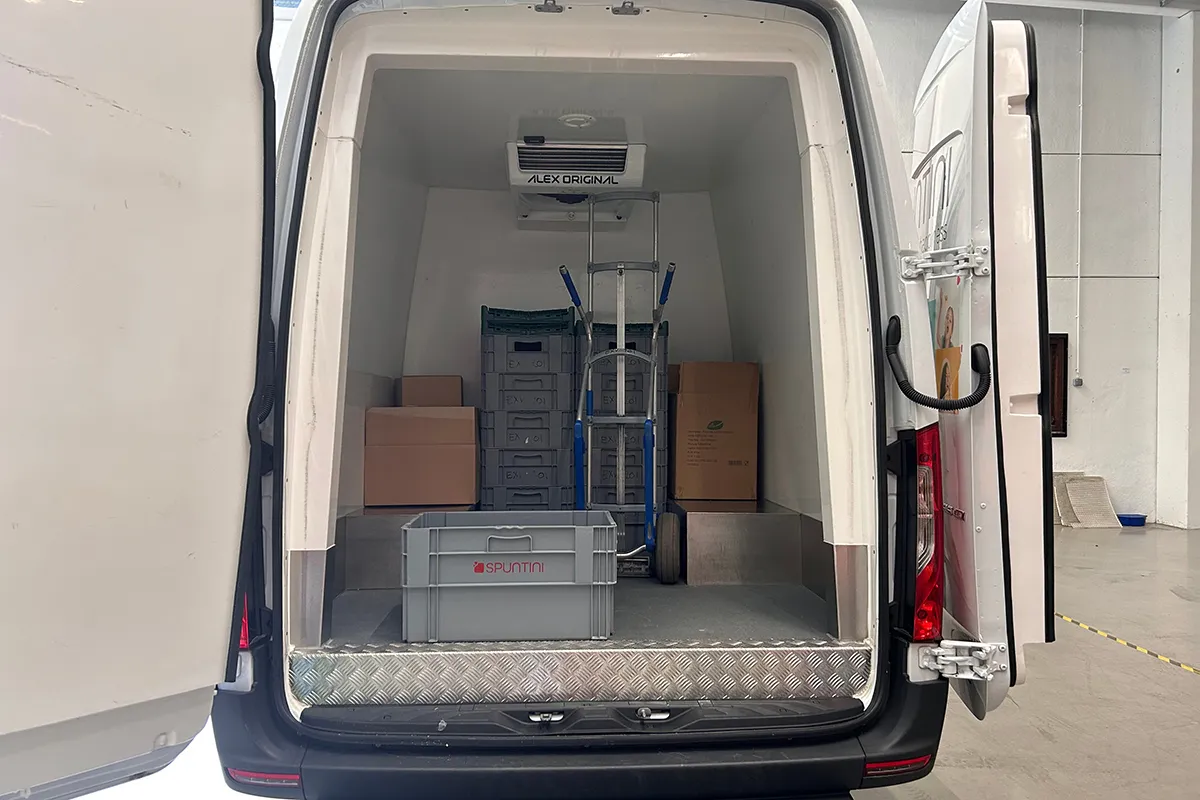
The plastic crates were introduced in phases. First, a pilot project was launched, equipping part of the logistics chain with the new crates. Following positive feedback from both warehouse staff and drivers, the decision was made to roll out the solution more widely. The results were clear:
- Improved efficiency: Using uniform crates simplified stacking and loading, resulting in faster turnaround times and more efficient use of storage space;
- Cost savings: The crates’ durability reduced the costs of replacements and waste disposal;
- Sustainability gains: Reducing single-use packaging and switching to reusable crates helped Spuntini meet its environmental objectives.
The partnership between the two companies shows how strategic partnerships can deliver innovative solutions that improve both operational efficiency and sustainability.
Have a business enquiry for Plastibac NV? Get in touch
Companies in this story
Keep following this
Get an email when a new story is published. No account needed.
- ThemeRaw materials and products in motion
- SubjectSustainability
- CompanyPlastibac NV