Innovating food through centuries-old fermentation techniques
Text uit Een wereld van verschilImage Luc De Vuyst en Vrije Universiteit Brussel
For decades, the Industrial Microbiology and Food Biotechnology research group (IMDO) at Vrije Universiteit Brussel (VUB) has been researching spontaneous fermentation processes for producing fermented foods and drinks. Its research is key to developing innovative, new, tasty and more sustainable products.
Spontaneous fermentation processes have been enjoying a revival in recent years. People are getting involved at home, brewing beer, baking sourdough bread or making kombucha. All of this is great, says Professor Luc De Vuyst of IMDO. “The popularity of spontaneous fermentation is down to the wonderful flavours and aromas produced by these natural, sustainable processes. This revival is part of traditions that go back tens of thousands of years.”
From spontaneous to more controlled
Today, many processes around the world are still based on spontaneous fermentation, even though standardising them offers considerable benefits. “Commercial starter cultures make it possible to achieve the desired end product.” They therefore began to be used in breweries, bakeries, the dairy and meat industries from the 1950s onwards, and more recently in the wine sector too. VUB’s research aims to improve understanding of existing spontaneous fermentation processes, paving the way for more controlled starter cultures. De Vuyst says: “You avoid fermentation failures, and you can steer the process towards a particular aroma, flavour or end product. Companies can use our findings to adapt and improve their processes and launch new products.”
‘Crazy innovations’
For example, the research group’s findings could make it possible to eliminate nitrite and nitrate salts from salami. These can be replaced by bacteria naturally present in meat that produce antimicrobial substances which help ensure food safety. This is part of Professor Frédéric Leroy’s research at IMDO. Controlling the fermentation process can lead to crazy innovations. “Suppose you want to make chocolate with a strawberry flavour. You could use the fermentation process to select microorganisms that produce similar aromas, rather than adding artificial flavourings.”
Analysis down to DNA level
Leroy says: “We try to understand these spontaneous fermentation processes at microbial and biochemical level, and, above all, to link them to high-quality end products. By studying the active microorganisms in detail, we can characterise the functions involved in the fermentation process. Once we know exactly what the microorganisms do, we can use them as starter cultures in raw ingredients and gain greater control over the processes.” The research group investigates exactly what is happening in these microorganisms, right down to DNA level. Professor Stefan Weckx of IMDO says: “I focus mainly on the molecular biology side of the research, mapping the genomes of promising strains that can steer fermentation, using DNA sequencing. We also check that these strains do not contain any harmful genes.”
Own bakery, brewery and chocolate workshop
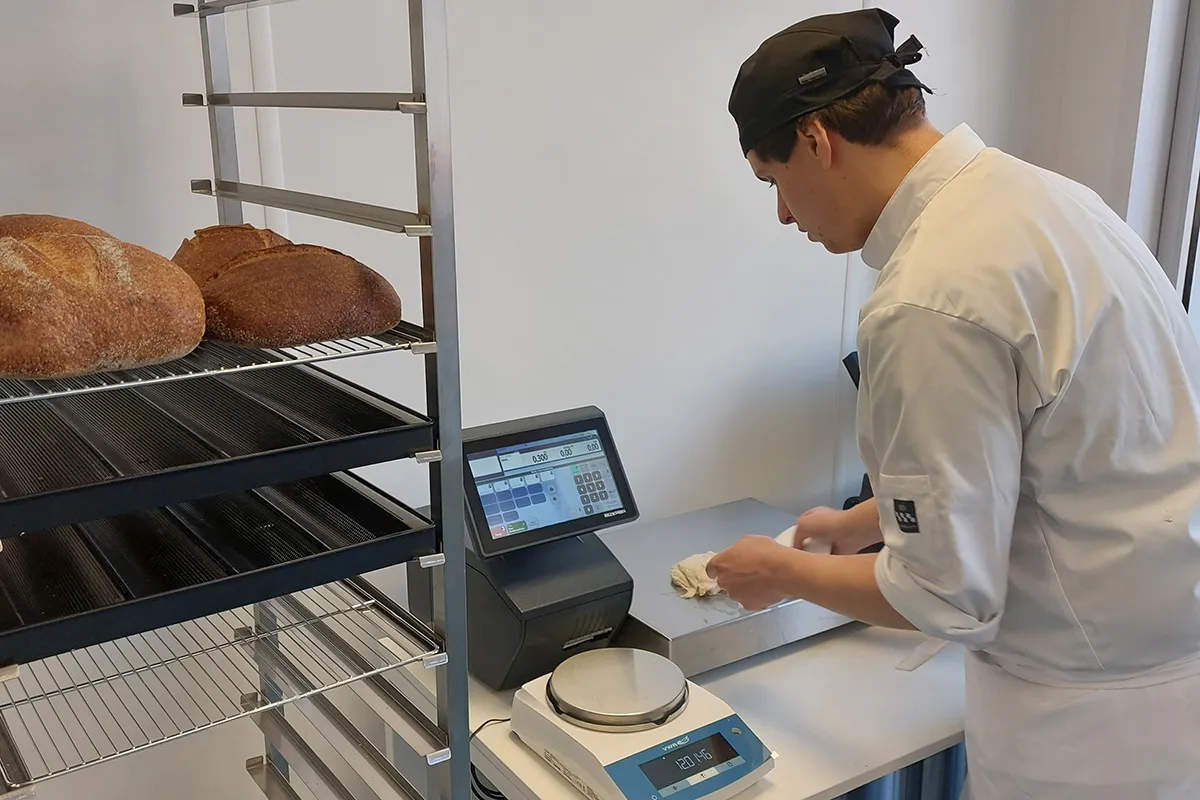
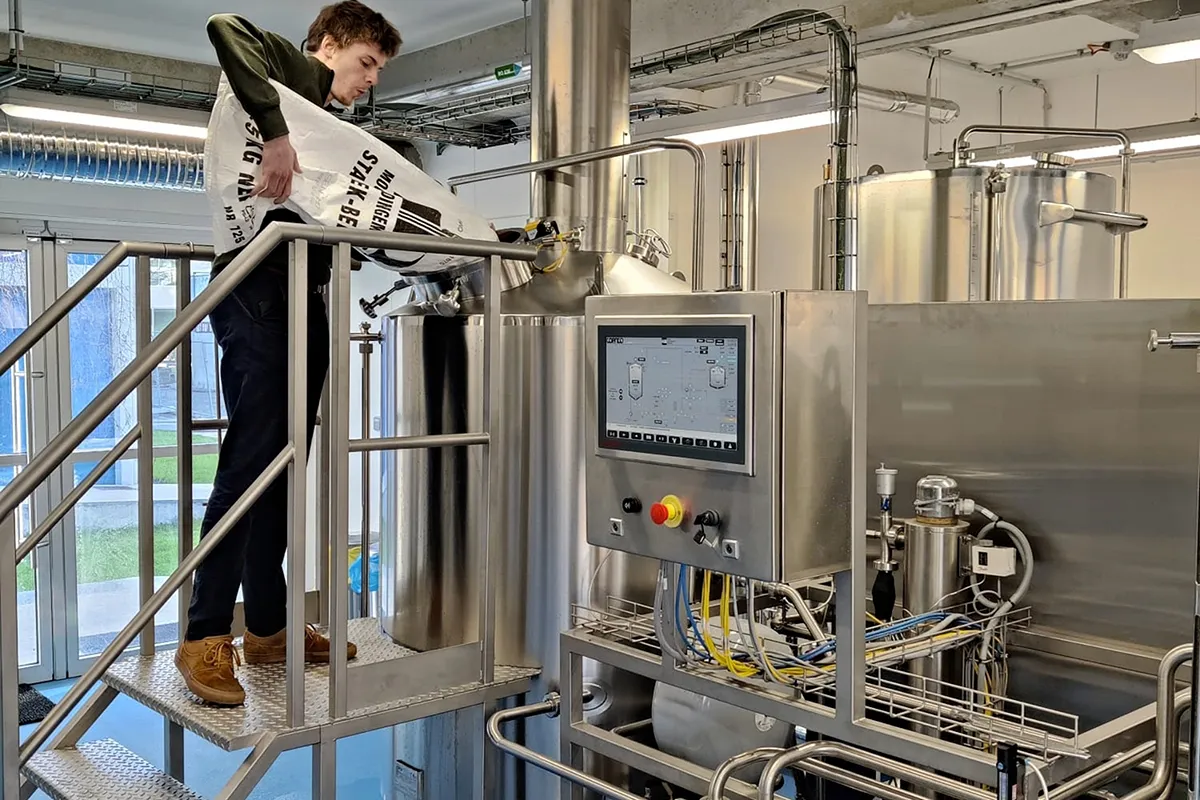
VUB often works with companies to test its academic research findings. The research group has also launched three of its own pilot lines. Since 2023, VUB has had its own bakery (including sourdough), brewery and chocolate workshop. “The pilot lines allow us to test our research under the best possible conditions. These products will eventually also be available for sale under the Saint Vé brand,” De Vuyst reveals. The sourdough bread pilot line was established in collaboration with spearhead cluster Flanders’ FOOD and VLAIO, which subsidises 80% of the line’s equipment. “We use this line for research with companies into aroma and flavour, as well as the potential health benefits of sourdough bread.”
Sharing insights in countries of origin
The research group’s insights are shared around the world, including in the countries where the raw ingredients come from. Weckx says: “We have a VLIR-UOS project underway with cocoa farmers in Ecuador. Spontaneous fermentation of cocoa beans often fails there. We want to change that by sharing knowledge with farmers through projects that develop new fermentation strategies locally. We also collaborate with academic colleagues in Ecuador, who come to VUB to deepen their knowledge.”
Question about this story? Ask your question
Keep following this
Get an email when a new story is published. No account needed.
- SubjectSustainability