Quality and sustainability go hand in hand
Text Valérie CouplezImage KTBA
Mandatory CSRD reporting is making sustainability an even higher priority for food companies. Those within its scope must share data on their progress in ESG and outline their next steps. This calls for the same structured approach that is fundamental to quality management, something KTBA’s specialists know inside out. With its new sustainability services, the company is helping clients translate this complex legislation into action on the shop floor.
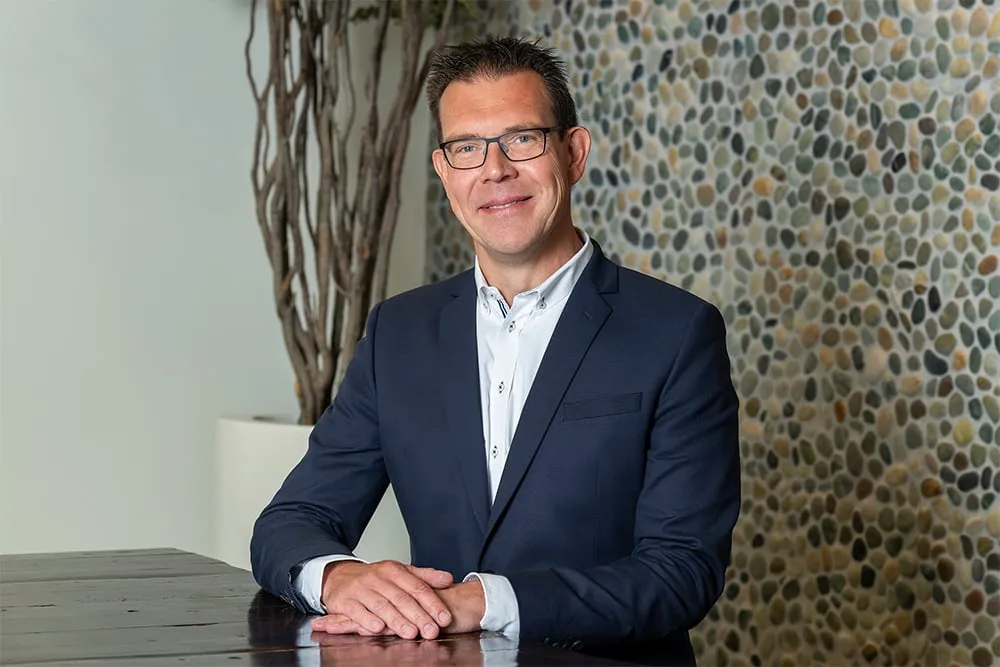
CSRD, ESG … does it all sound like Greek to you? Then it is high time we brought you up to speed. Under the Corporate Sustainability Reporting Directive, from 2025 all companies with more than 250 employees and total assets of more than 25 million euros or annual turnover of more than 50 million euros must provide a transparent, detailed account of all relevant ESG themes (Environment, Social governance). “Europe does not expect companies to be top of the class already, but it does expect them to communicate clearly about what they are doing. That allows consumers to make up their own minds,” says Geert-Jan Rens, principal consultant Business Assurance and Sustainability at KTBA.
Complex legislation with a broad scope
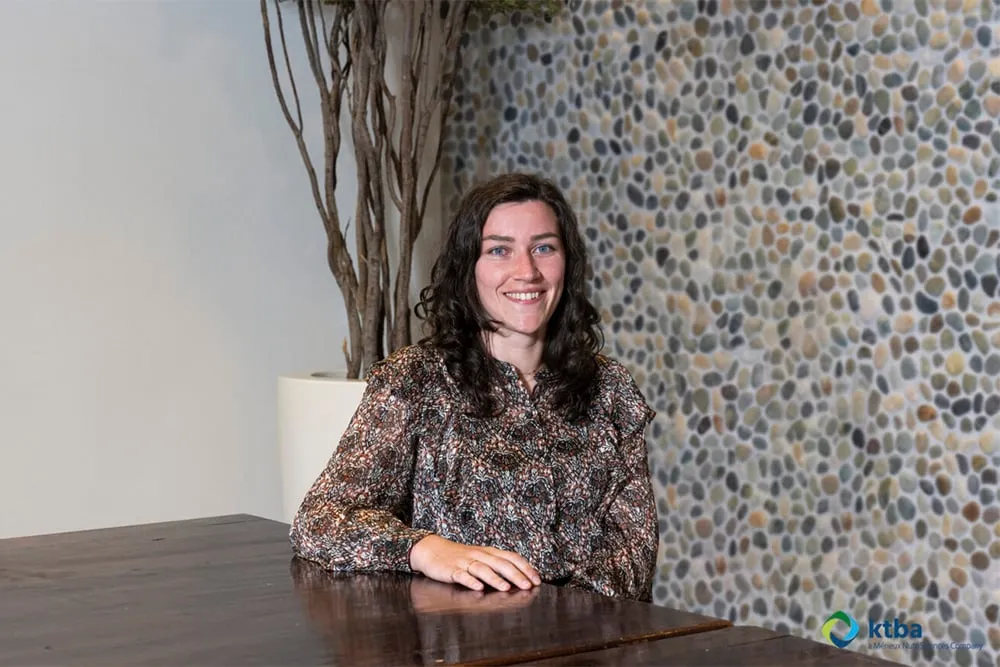
Quite apart from the reporting requirement, food companies are already receiving many questions from the supply chain and customers about what they are doing on sustainability. For many companies, the deadline will therefore come sooner. KTBA Sustainability consultant Lisanne Huntjens says: “The reporting requires companies not only to cover a wide range of topics, but to do so across the entire supply chain. In other words, you also need to know your suppliers’ footprints and what steps they are taking to reduce them. So you need a good overview of your supply chain.”
Embedding it in the same way
For SMEs that may not have the budget for a full-time sustainability manager, this issue will most likely land on the quality manager’s desk. Rens says: “They are two different fields, certainly, but the approach required is similar to what we know from quality management systems. You need specific knowledge of the legislation, but you embed those principles on the shop floor in the same way.” That is precisely why KTBA has expanded its services. “Food companies have a lot of questions about what this means for them. We work with them to find the answers. Through our work in quality, we already know how products are made and how the supply chain is structured,” says Huntjens.
Calculating the footprint
One mandatory element of the reporting will be calculating the footprint of the entire company, both for its products and for the business as a whole. Last year, Mérieux Nutrisciences, KTBA’s parent company, acquired Blonk, bringing additional expertise in this area in-house. KTBA’s clients benefit from this too. “In practice, we look for the data, because our experience in quality management often means we work closely with our clients and their processes. We know where to find the data and how to request it from the rest of the supply chain. Blonk then uses the right methodology to carry out the calculations. Those form the basis for further optimisation,” says Huntjens.
From data to improvement programmes
As many companies are already doing something on sustainability, the first step is to establish a baseline. Rens says: “That is the starting point. From there, food companies need to develop their vision in line with the guidelines. What matters for my production? What do I want to focus on? And where do I stand? Do I simply want to tick off the requirements, or do I want to lead the way? We help our clients lay that foundation and then work together to identify concrete improvement programmes.” Sustainability will become an important factor in negotiations. “A kind of licence to operate,” says Rens. “Just as a food safety quality system has become a basic requirement for getting your products into retail chains.”
Giving it substance
Huntjens and Rens do not see the fact that this field is still developing rapidly as a reason to wait. “We can learn from how the framework for safety and quality has taken shape over recent decades. There is close scrutiny of the companies leading the way on sustainability. Those companies can, in a sense, help set the standard for how the rest of the sector should put sustainability into practice. Many food companies have already launched excellent initiatives. The task now is to build on them in a structured way, with the right data and robust reporting,” they conclude.
Een zakelijke vraag aan Mérieux NutriSciences | Expert Partners? Get in touch
Companies in this story

Keep following this
Get an email when a new story is published. No account needed.
- SubjectSustainability
- CompanyMérieux NutriSciences | Expert Partners