Sustainability as a game changer
Text Valérie CouplezImage Dieter Meyns
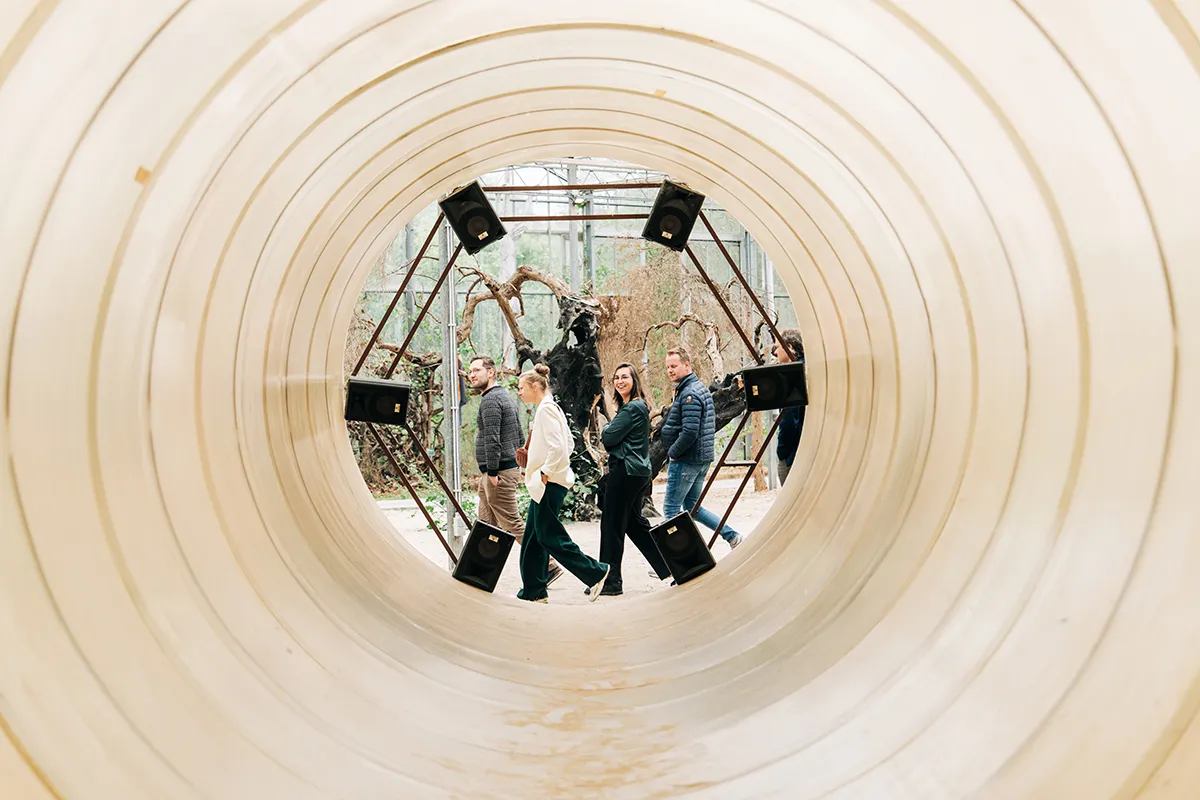
Quality managers had to wait an extra year for the sixteenth edition of the Quality Days. “Not because we couldn’t make the finances add up. But because we want every edition to tackle issues that really keep quality managers awake at night. I think that with sustainability, an increasingly frequent item on quality managers’ agendas, we have once again struck the right note with this edition,” says Joost Buysschaert, managing director of Epacco, one of the initiative’s driving partners. The event is also made possible by partners AGO, Anticimex, Arco, Boons, CID Lines, FPS Multiproducts, FoodTec, Gluecom, Gullimex, Hosa, Klaratex, Lavetan, LDL Group, Munters, Solco, VMA and VOS Technics.
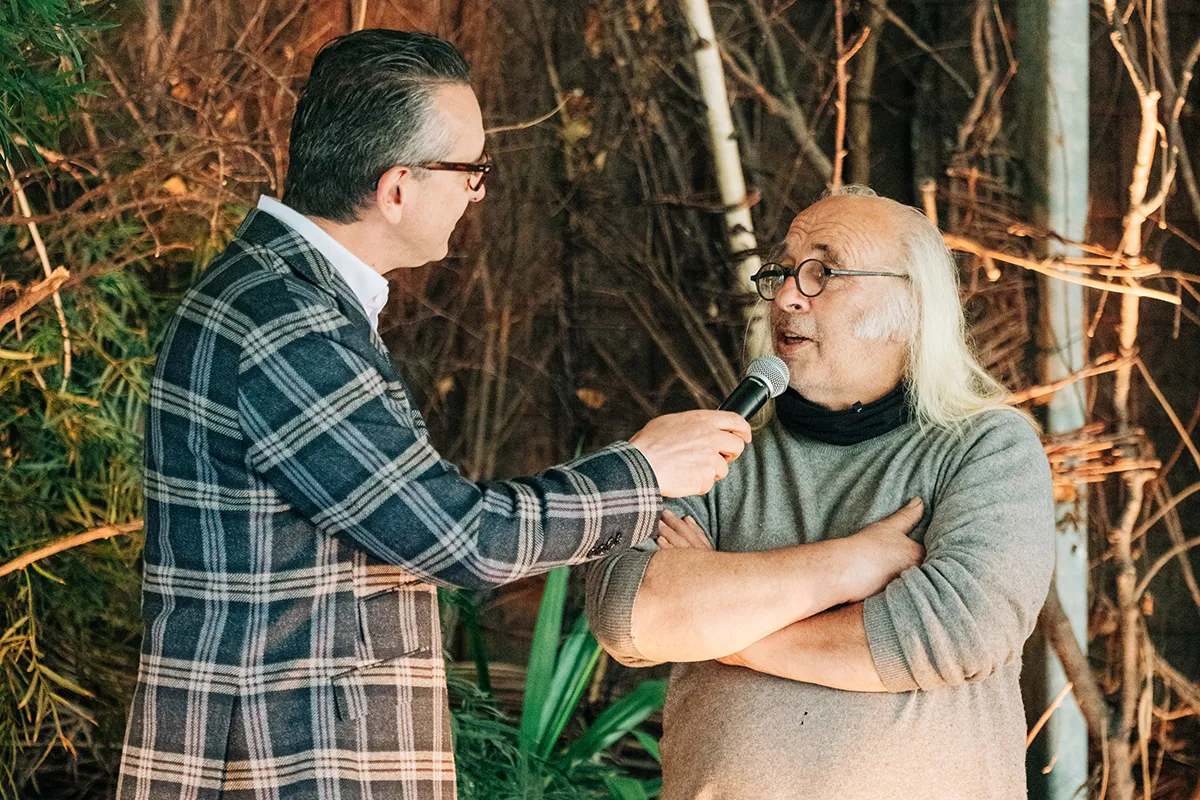
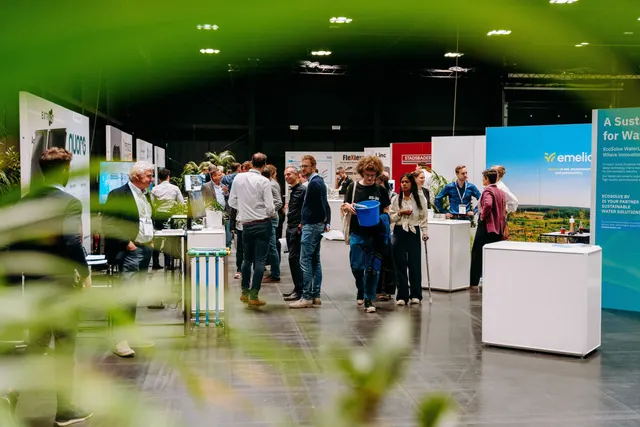
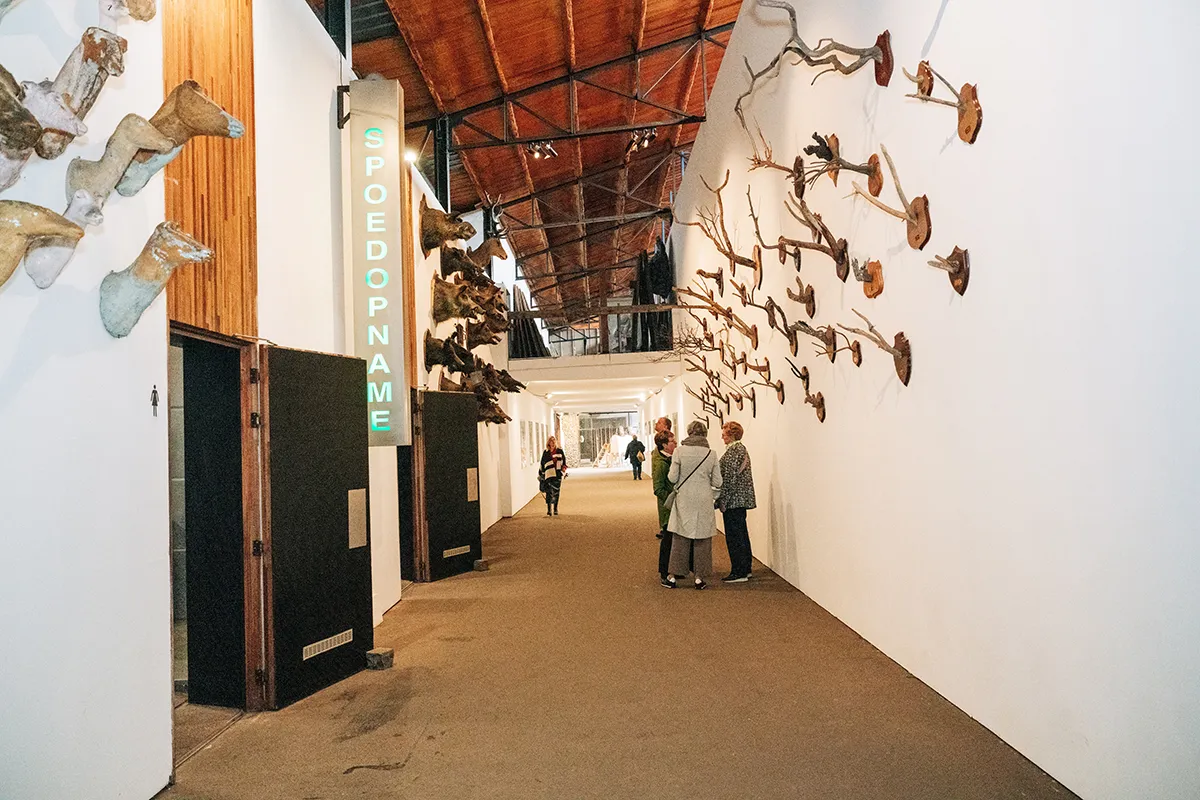
Quality managers turned out in force once again, 230 of them to be precise. The sixteenth edition was held at the Verbeke Foundation (Kemseke), which opened its doors in 2007 and, with more than 1,000 works, can call itself the largest museum without subsidies. Around 150 participants took part in the tour before the Quality Days. “The only thing I inherited from an artist is his hair,” owner Geert Verbeke said with a wink. “My passion for art began when my transport company was asked to move a 4 m corten steel artwork. After I sold the business, I kept the land and buildings so I could bring nature and art together here, indoors and out, with a focus on collages.”
Legislative framework
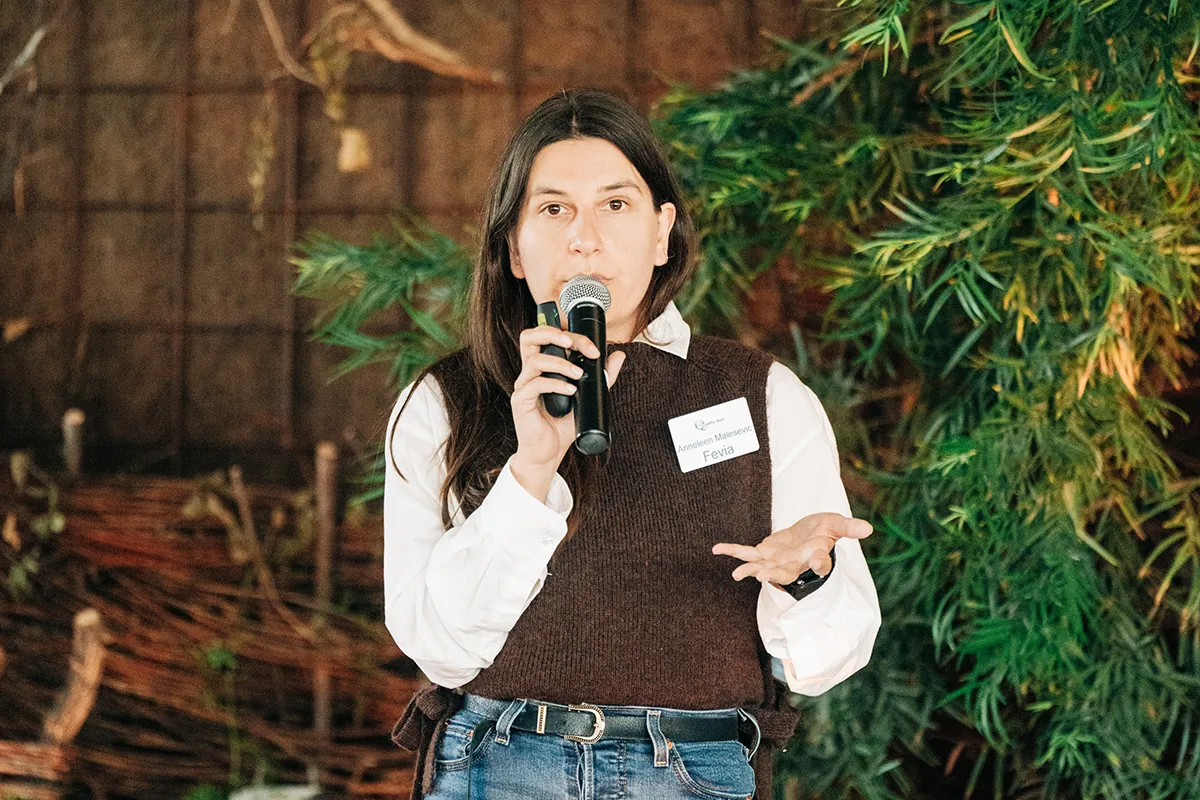
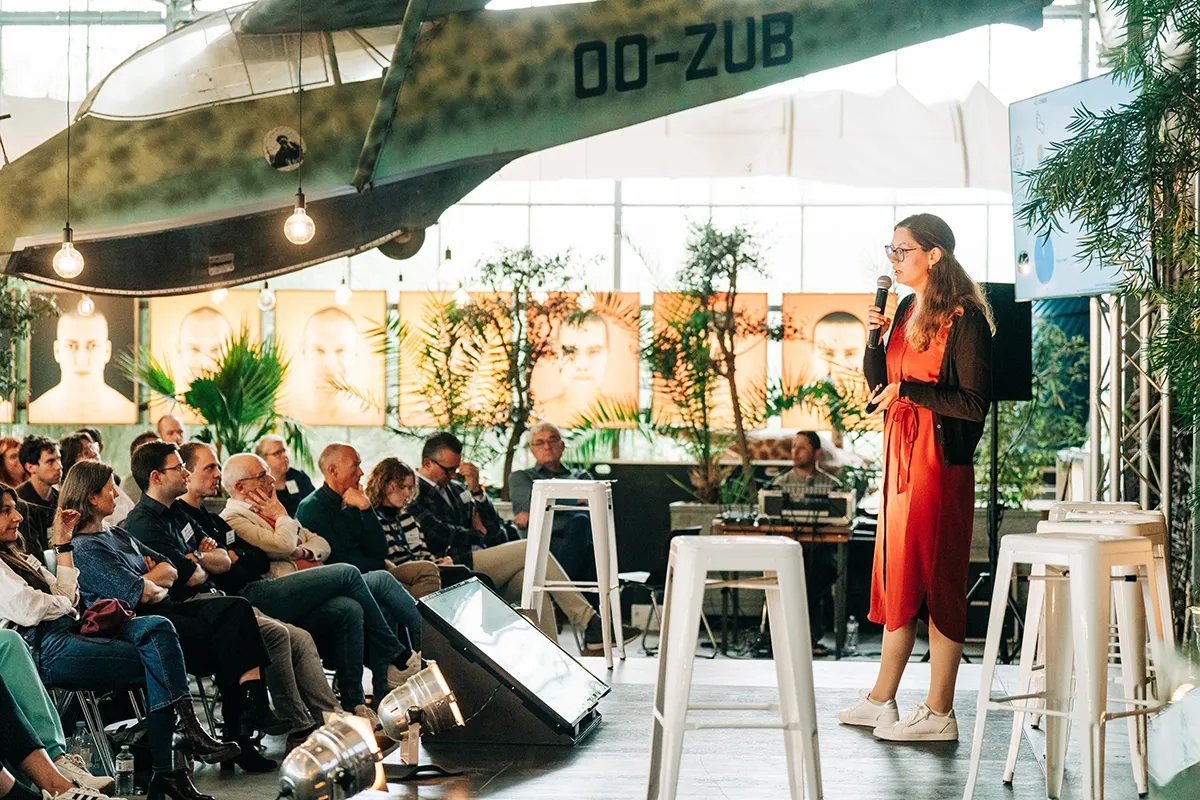
There could be no better place to put sustainability in the spotlight. In recent years, companies have faced a raft of legislation requiring them to become more sustainable: CSRD, CS3D, ESRS … Fevia Sustainability Advisor Anneleen Malesevic shed some light on all these acronyms. “Legislation initially intended for large companies has a trickle-down effect, as they also have to provide information about their raw materials and what happens to their finished products. This put a great deal of pressure on farmers and food companies. The Omnibus package now on the table should take the edge off these requirements. The obligations would be postponed, and the excessive reporting requirements for SMEs have been reduced to data points related to VSME (voluntary sustainability reporting standard for non-listed SMEs).” A relief. The Flemish government’s Sustainability Barometer had found that only one third of medium-sized enterprises had sufficient knowledge of sustainable business practices.
LCA as a measurement method
Yet the European compass remains set on greater sustainability. This is essential if we are to win the fight against climate change. But to know whether we are becoming more sustainable, we have to measure it. One widely used tool is LCA calculations (life cycle analysis). “You can only say something about sustainability if you take the entire value chain into account,” explains Dr Lieselot Boone of Ugent’s Sustainable systems engineering group. She gives the example of the electric car. “When comparing it with vehicles with conventional combustion engines, you cannot look only at emissions. You also have to consider the components it is made from and how recyclable they are at the end of its life. Because the LCA method follows ISO standards and has specific rules for certain sectors, it is a very widely used tool.” The key is to map the inputs and outputs of each process step (materials, energy, waste streams, emissions) and convert them into environmental impacts.
Ugent has already used this approach at the request of a food company to assess which packaging would be the most sustainable for its product. “But it is not easy to arrive at clear-cut answers, precisely because so many parameters and data are involved. Even so, it is an interesting tool for identifying your hotspots and providing evidence to support decisions.”
Sustainability at Den Berk Délice
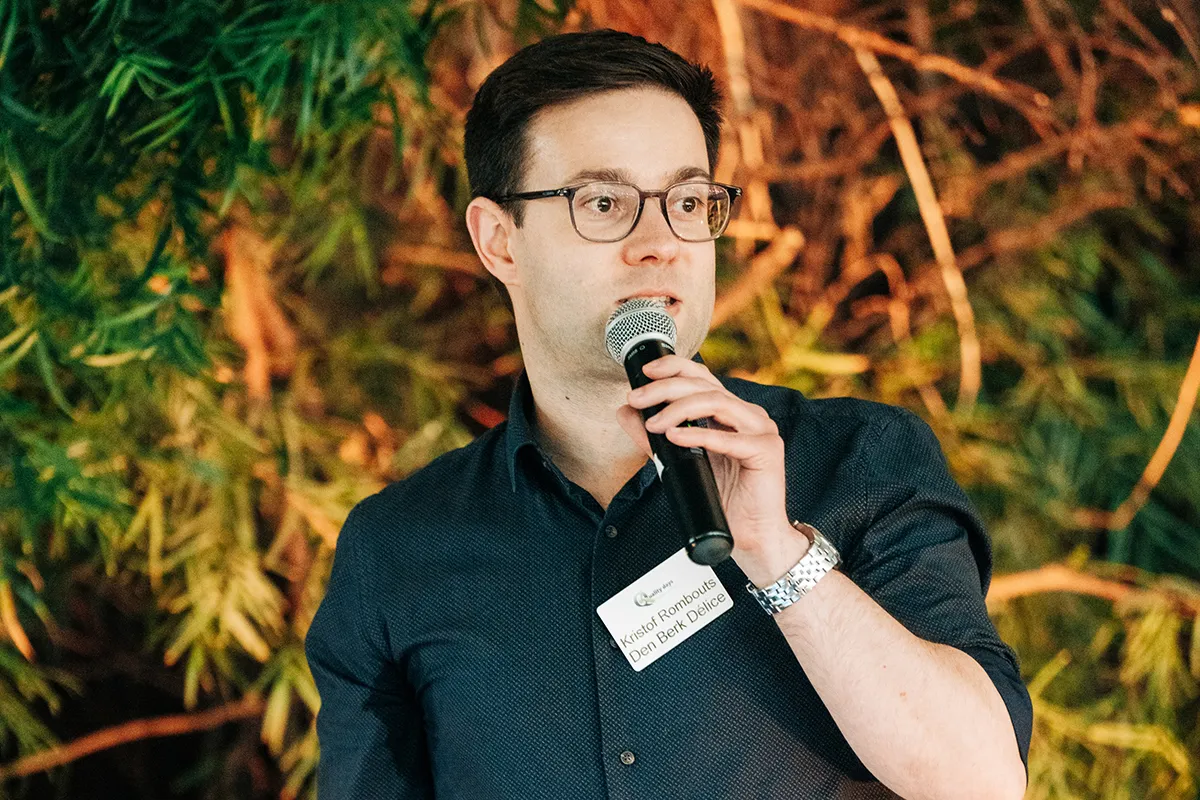
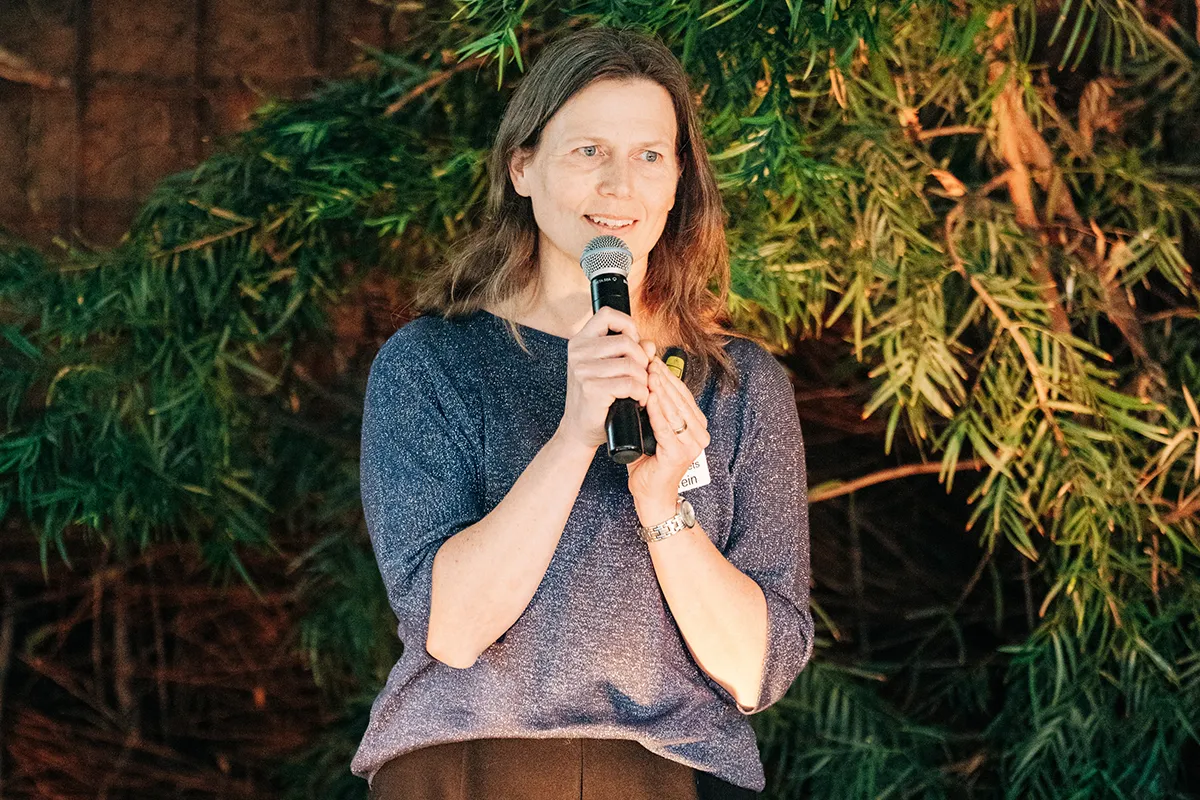
The final keynote before the panel discussion brought a real-world perspective. Kristof Rombouts, purchasing and sustainability coordinator at Den Berk Délice, spoke about how the company developed a sustainability strategy with Pantarein. Den Berk Délice grows and markets tomatoes from nine sites, covering 102 hectares. Pantarein head of ESG strategy & reporting Liesbeth Voets is seeing more and more companies turn to external partners for support. “That is because sustainability is about more than just calculating the CO2 footprint. It also covers water issues, social topics … That is why we start with a double materiality assessment to establish what really matters. This sets the direction for the topics you need to report on.” For Den Berk Délice, this resulted in five pillars to work on: increasing the consumption of healthy food, growing produce with the lowest possible impact, investing in employees, continuously innovating and improving, and building sustainable partner relationships. Rombouts: “This is more than just an administrative burden. It also brings benefits, because it gives your business strategy a stronger evidence base and provides an excellent starting point for conversations with customers and suppliers. It also gives the organisation an internal boost when you have an authentic story that people believe in.”
Link with the quality department
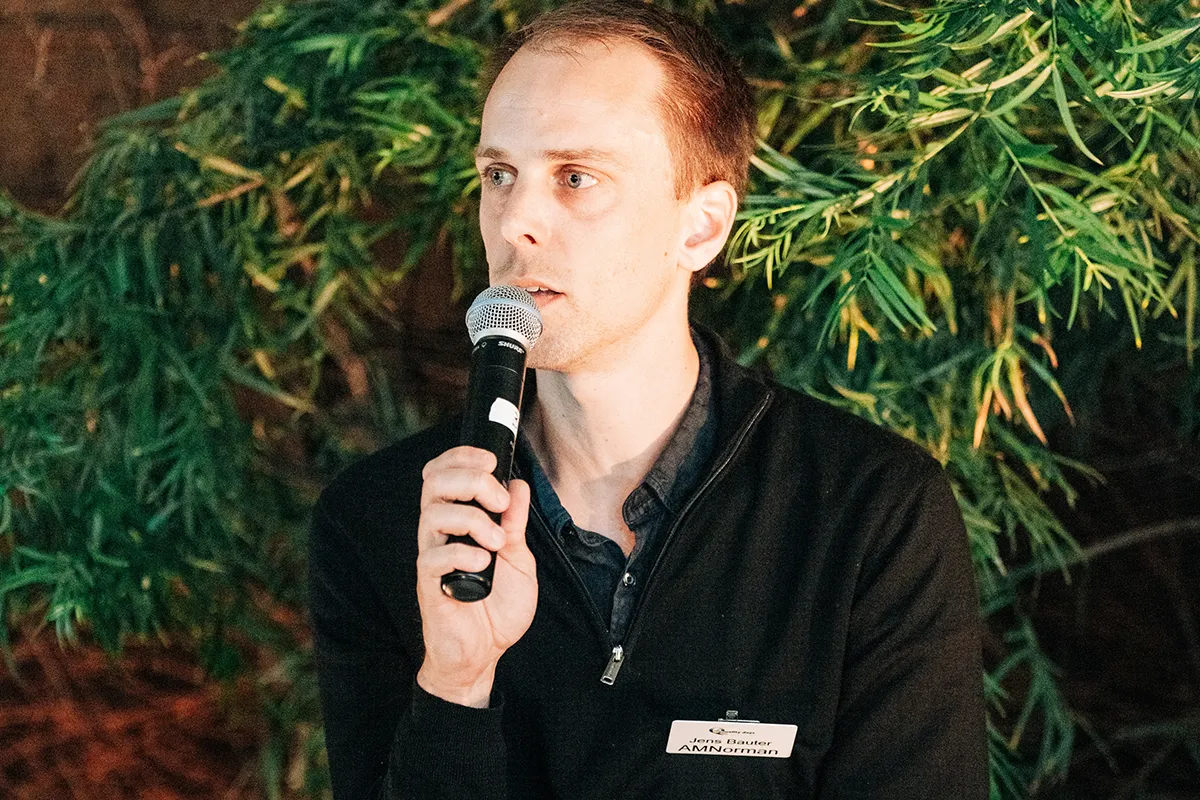
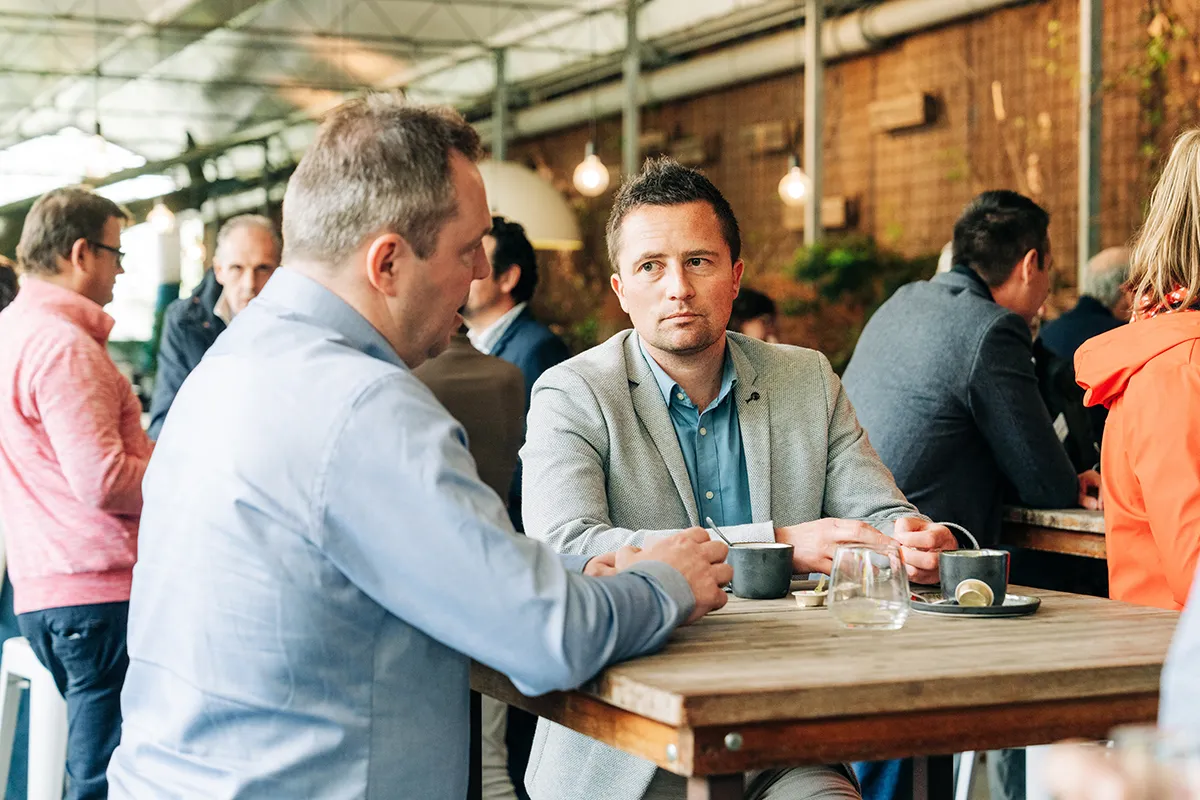
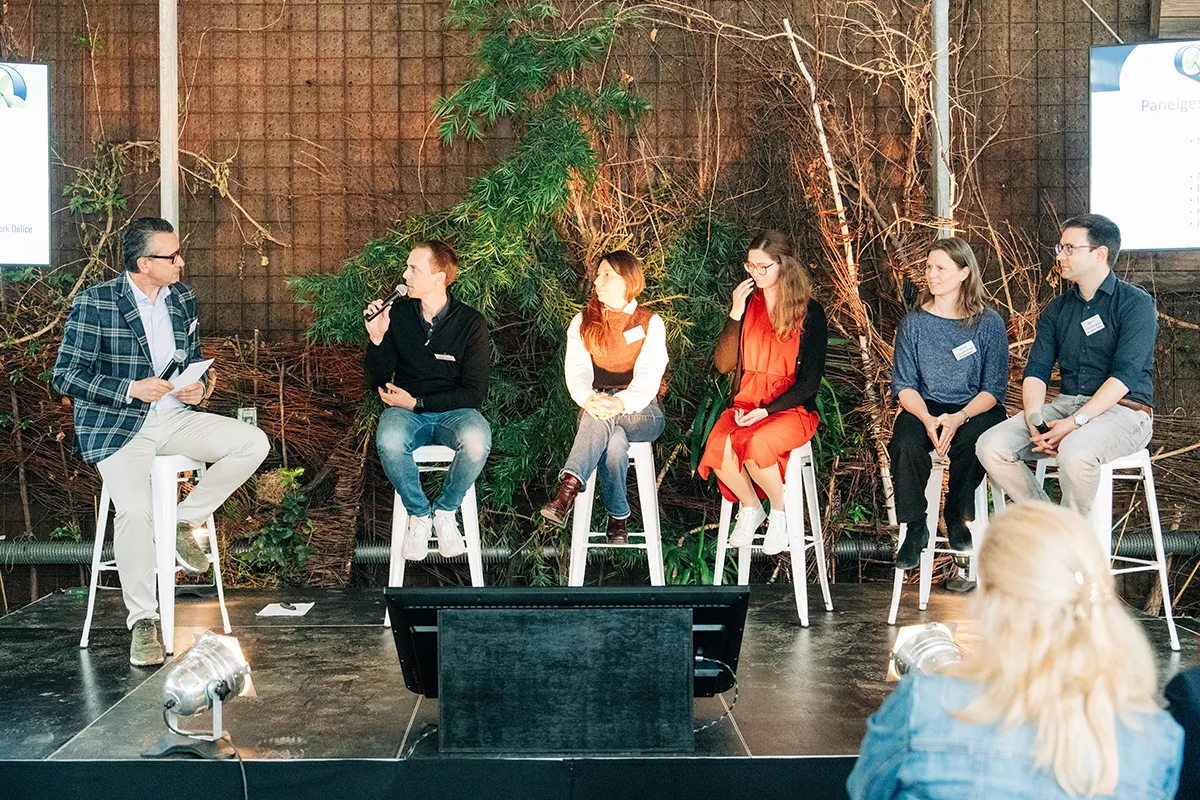
Sustainability is all well and good, but what does it have to do with the quality department? As many of the quality managers present had already realised, many of these questions end up with them. The panel discussion opened with an explanation from Jens Bauters, Food Quality Consultant at AMNorman, of why that is. “Sustainability calls for a 360° perspective: every department in a company is involved. But it is important to have someone take the lead. That does not necessarily have to be the quality manager, but they are often the linchpin, already acting as a bridge between the shop floor and management. What is more, sustainability is closely aligned with existing quality management systems: risk analysis, supplier management, continuous improvement … these are familiar areas for a quality manager and are equally essential to a sustainability strategy.” Even so, this is far from straightforward, as it takes knowledge, time and resources to do it well.
Final tips
“We found it hard to see a way forward because we were daunted by the volume of data and the extensive regulations. Pantarein helped us see past that,” Rombouts adds. “So our advice is to start by taking a step back: what questions are we being asked? What exactly do we want to achieve? And what have we already done? Once you have those answers, it is easier to bring the right people together. But it takes time for people to come round, even in management, because it requires transparency.” Boone believes transparency will also be key in the future. “You have to take a critical look at what you see today. Many companies make all kinds of sustainability claims. But what lies behind them? Can they substantiate them properly? That is precisely why objective measurement methods are needed.” Bauters says Fevia’s current work on a double materiality assessment for the sector is an excellent starting point. “Make use of it while the pace of legislation has slowed somewhat thanks to the Omnibus package, and address sustainability properly. In Belgium, the legislative framework for VSME is already in place.” Ultimately, it is simply something we have to do, especially in the food industry. “We are already seeing the effects of climate change everywhere. Our raw materials are finite. But we must also be prepared to put the competitiveness of our companies on the same footing as sustainability,” Malesevic concludes.
Een zakelijke vraag aan Epacco Food Cleaning? Get in touch
Companies in this story
Keep following this
Get an email when a new story is published. No account needed.
- SubjectSustainability
- CompanyEpacco Food Cleaning
- CompanyKlaratex
- CompanyLavetan NV