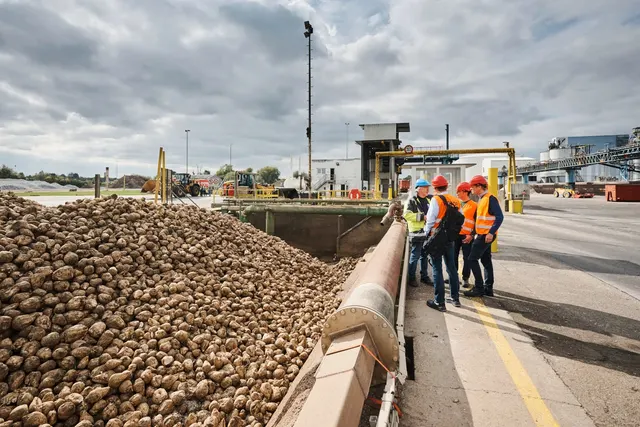
Valorising side streams in Flanders: five business models
Text Laura VantornoutImage iStock
The Flemish food industry faces the challenge of handling its side streams more efficiently and valorising them to the fullest. Valorisation not only offers opportunities to improve sustainability, but also to create valuable products and increase profitability. Developing suitable business models is crucial. During the recently completed Effsep project, a literature review was conducted into potentially successful business models, and companies were interviewed about them. The findings are summarised briefly below.
A recent publication by Lene Lange describes five business models aimed at unlocking the full potential of edible side streams. The paper argues that valorising side streams creates products of greater value than, for example, bioenergy. These products also have the potential to deliver higher profit margins and are more sustainable than bioenergy, which uses only part of the raw material. However, the valorisation process is more complex, often involves several steps and requires more resources, making robust business models essential.
Upgrading internal production side streams
In this model, companies valorise their own side streams, mainly within existing production facilities or by selling them to specialist processors. Upgrading side streams into higher-value products creates added value.
Biomass-specialist companies
These companies focus on specific types of biomass to unlock their full potential. This includes processing various types of biomass, such as green plant material, cereal straw, fish components and organic materials, to produce a wide range of high-value products.
Co-operatively managed, value-chain businesses
In this model, side streams are valorised through co-operatively managed food-processing businesses. These businesses are often owned by farmers who supply their primary produce to many different parties, including abattoirs, the dairy industry and potato processors. A key feature of this model is that farmers supplying the primary product receive a share of the income generated across the entire value chain. Extending a co-operative food-processing business into a co-operatively owned biorefinery can be highly successful. This means that primary producers are fully integrated. This is attractive to farmers because valorising all parts of their crops can increase their income, give them control over the entire value chain and enable the farmers involved to plan their businesses for the long term.
Industrial clusters as the preferred bio-based business model
Here, industrial partners pool resources and expertise to reduce operating costs and prevent waste. These clusters foster collaboration on technology, regulation and customer insights.
Local consortium for the production of bio-based products
This model promotes economic and social development in regions by making use of local side streams. It involves setting up partnerships between companies and innovation stakeholders, with the aim of creating value from underused side streams.
Flemish context
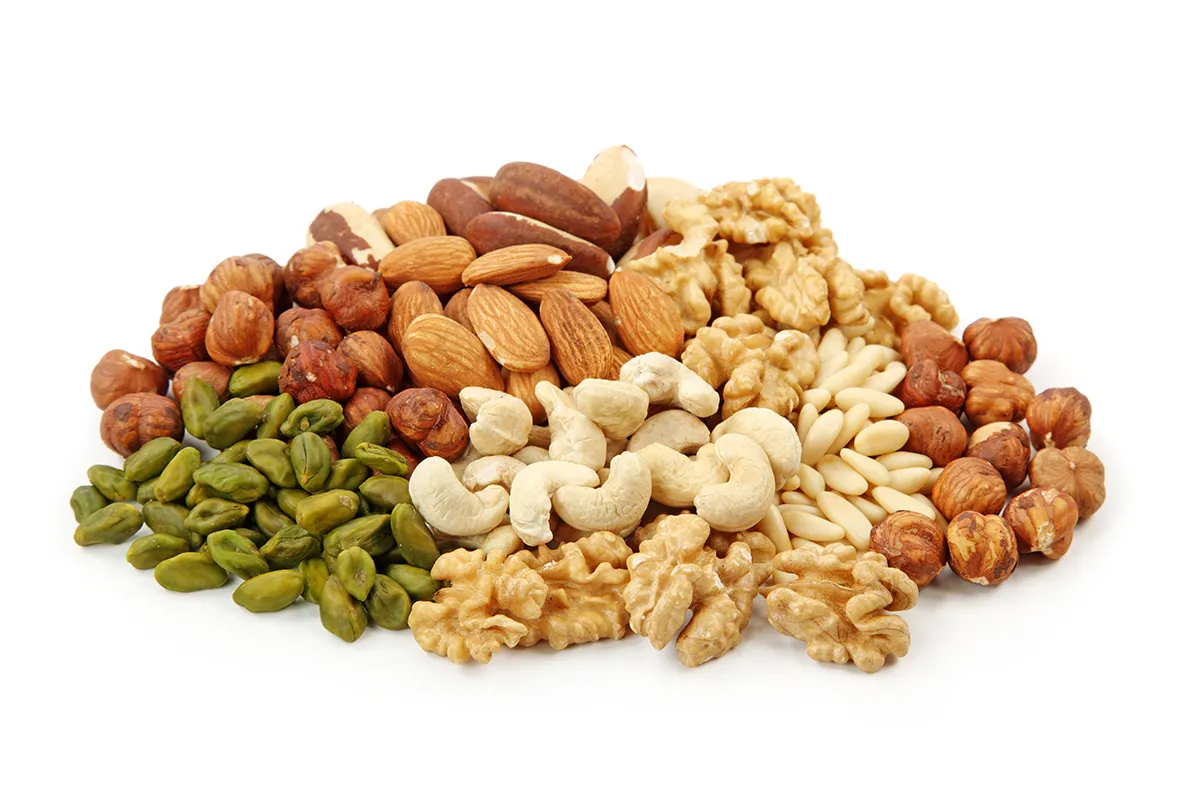
In Flanders, the first and second business models are particularly well represented. Agristo, for example, has opened a flake production line to use potato pieces that are unsuitable for chips in food for human consumption (model 1). Trotec, meanwhile, is a typical example of a biomass-specialist company (model 2). It processes a wide variety of side streams into a high-quality animal feed blend. Milcobel is an example of model 3: a co-operative of farmers that sells a wide range of dairy products and milk derivatives, including cheese whey, a side stream from cheese production. Model 4 was explored in the MiRaDi project, in which three SMEs joined forces to fully valorise nuts into various products, such as nut oil and nut butter. Another example is ValProMic, a joint venture between Agristo, Clarebout, Akwadok and Avecom that extracts starch from wastewater from the potato industry to produce single-cell proteins.
Challenges
Flemish companies say that a great deal of research is being conducted into upgrading side streams, but this has led to only limited commercial-scale activity. Funding for research and development projects is relatively easy to find, but it is much harder to secure funding for scaling up technologies and building (pilot) infrastructure. Recent fluctuations in energy prices and rising raw material costs have prompted Flemish companies to pay more attention to valorising their side streams. However, bioenergy is also gaining ground as a valorisation strategy, rather than higher-value upgrading. The biggest challenge remains making the business models profitable. Side streams are often wet, and drying them is a highly energy-intensive and therefore costly step. Laws and regulations can also be difficult to navigate. Three success factors are essential for developing an economically viable business model:
- Availability and a consistent supply of the side stream in question;
- An energy-efficient process;
- A suitable location, as avoiding transport can significantly reduce the cost of the raw material.
Question about this story? Ask your question
Keep following this
Get an email when a new story is published. No account needed.
- SubjectSustainability