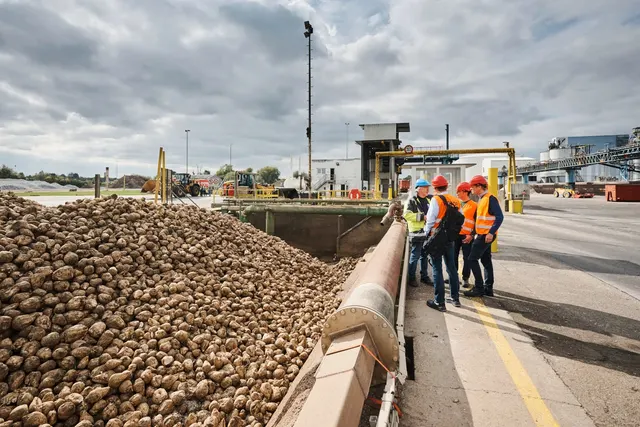
Workwear, impeccably clean and as sustainable as possible
Text and images Valérie Couplez
Washing has a huge environmental impact: water, high temperatures and chemicals. As an industrial laundry, Klaratex is acutely aware of this. That is why sustainability has been a key priority for years. For example, it is leading the way with a self-learning water treatment plant that will eventually purify water to a level that allows it to be discharged. It is also exploring how to electrify its fleet and how adding a smart chip could improve traceability further.
When we wash our workwear at home, we use an average of 40 l of water per 1 kg of linen. “I use 3 l of fresh water,” says managing director Karel Dermaux. “The rest is reused. But we do more than just wash: we repair garments when necessary, replace them after 120 washes and send them for recycling. We are constantly working with partners to find ways to make everything more recyclable. For high-visibility clothing, for example, we have not yet found a solution in the supply chain. But for white garments, we will succeed in closing the loop completely and turning them back into white workwear,” Dermaux says with conviction.
Water treated to surface-water quality
In other words, Klaratex does everything it can to take the hassle off its customers’ hands, ensure their employees always look their best and still make the most sustainable choices possible. The company, based in Wevelgem, keeps taking things a step further. Around 1,000 solar panels are now spread across its three roofs, and rainwater is collected everywhere. “54% of our energy comes from the sun, and 74% of our water comes from rain,” Dermaux sums up. In 2019, Klaratex made a major investment in a state-of-the-art water treatment plant. “The water we discharge today is as clear as rainwater. But its quality continues to improve year after year because the system continually adjusts itself. When they carry out work on the bridge here to connect the Seine and Scheldt, separate sewers will be installed in the street. We are confident that by then we will be allowed to discharge the water into surface waters rather than send it to the sewer. We are also investigating whether washing with enzymes instead of soap can deliver the same impeccable quality with a lower CO2 footprint.”
Testing an electric fleet
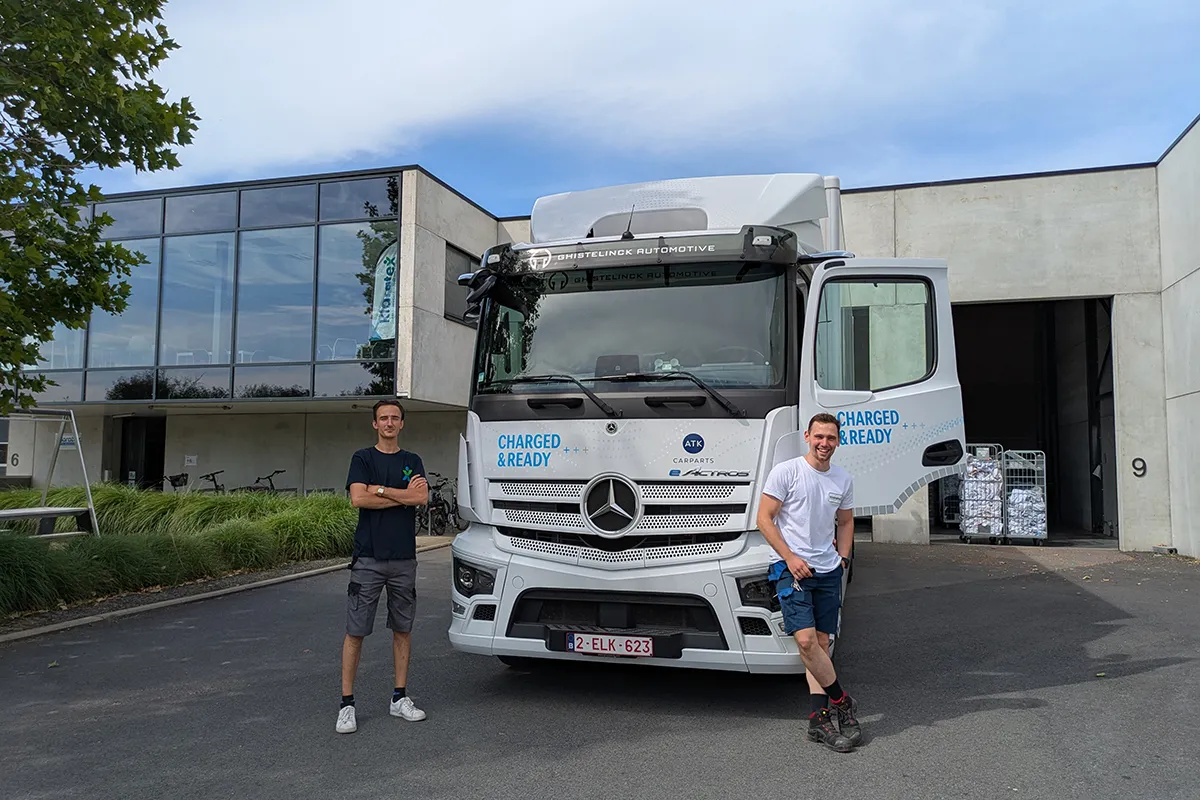
When we visit Klaratex in Wevelgem, there is a striking newcomer in the car park: an electric lorry. “It’s a pilot project,” says Dermaux. “Given the distances our drivers cover each day, with most customers within a 100 km radius of Wevelgem, switching to electric vehicles makes sense. But you do have to rethink how you organise things. Will the vehicles be able to charge sufficiently using solar power when they return from their rounds, or will we need to organise things differently or invest in battery technology as well? What’s more, manufacturers still offer few electric options for the type of lorry we use. This one is actually a bit too big.”
RFID chips
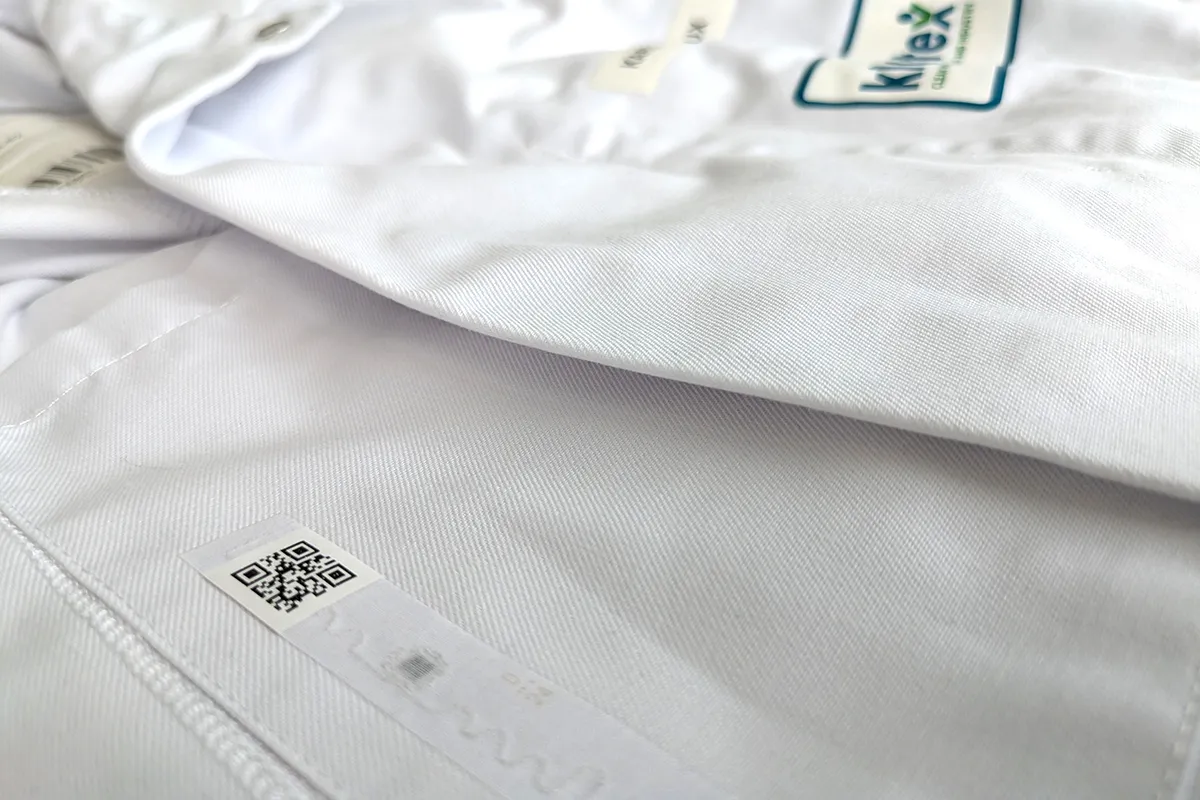
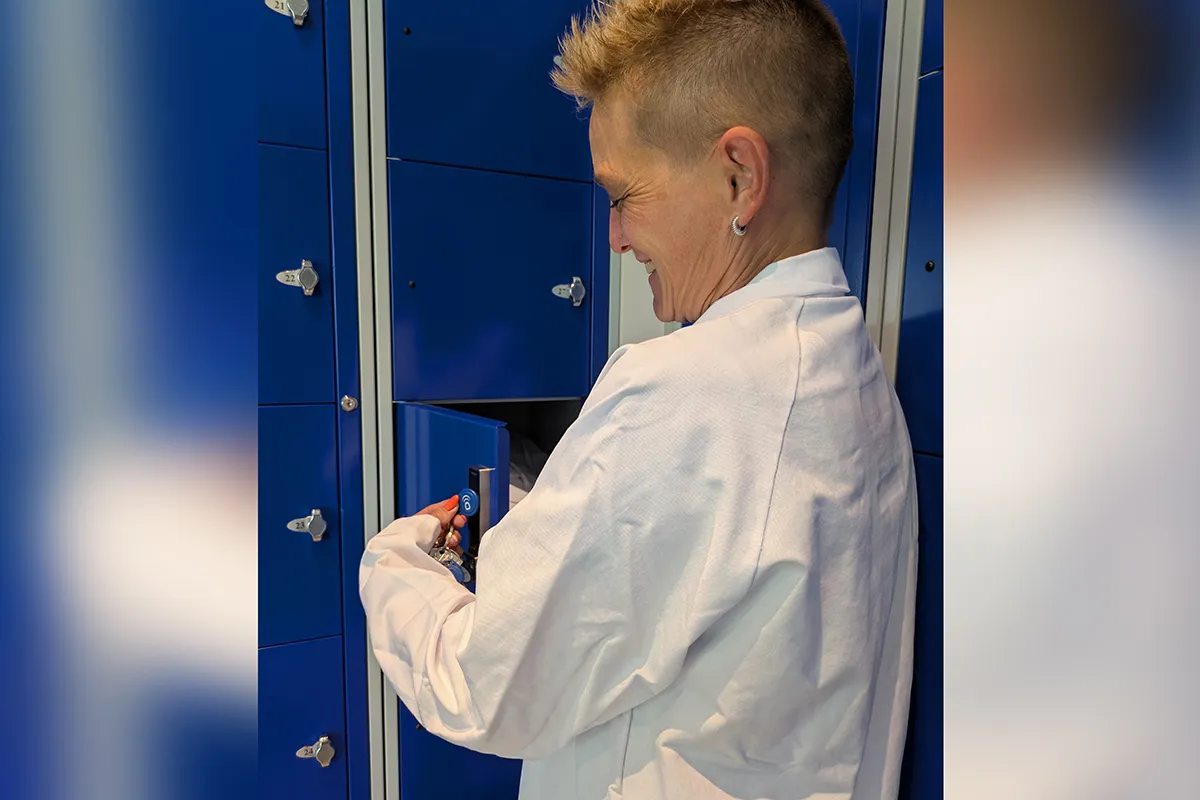
But new ideas are also bubbling away at the heart of production. Klaratex is currently rolling out a new type of identification. “We deliver around 5,000 garments a day to our customers, but there are many more in circulation. To improve traceability, we are now switching to an RFID chip and QR code instead of the barcode customers are familiar with. When a container of dirty laundry arrives here, we can read all the items at once instead of scanning them individually. Customers can also keep better track of their stock. For example, they can see which employee put a dirty apron in the container and is therefore entitled to a new one.” Klaratex is also responding to the growing levels of automation and digitalisation among its customers with its new lockers. “If customers wish, we deliver our garments right to their locker. We also provide our own locker systems, which can now be linked to an access badge too. This development came at customers’ request,” Dermaux adds.
Een zakelijke vraag aan Klaratex? Get in touch
Companies in this story
Keep following this
Get an email when a new story is published. No account needed.
- ThemePeople make the food industry
- SubjectSustainability
- CompanyKlaratex