












A digital communications strategy for your instrumentation
Text Valérie CouplezImage Endress+Hauser
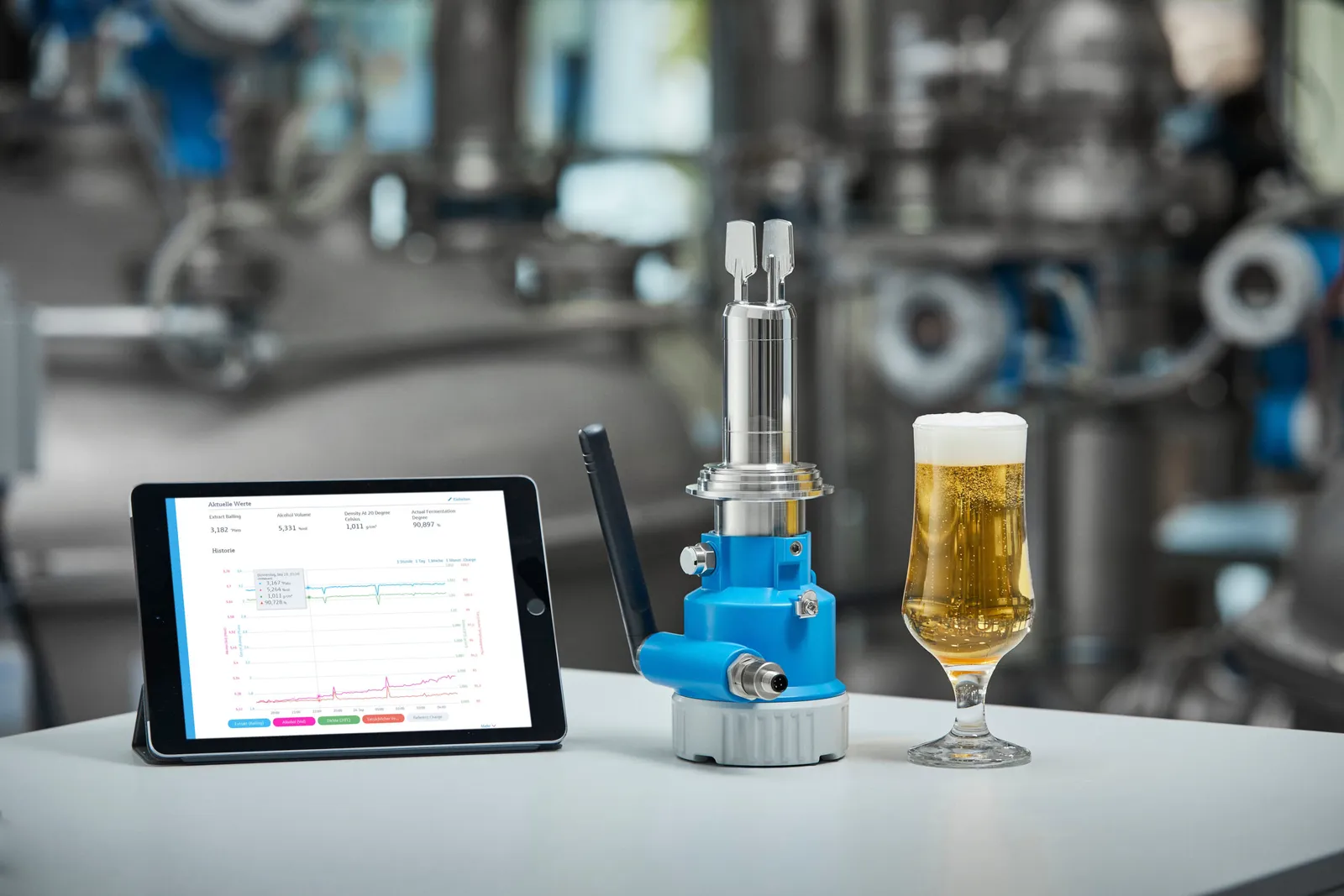
Instruments are crucial components in the automation of your production. They capture process data and turn it into useful information about temperature, pressure, levels, flow rate … This is the field in which Endress+Hauser has built an exceptionally strong reputation. Today, however, these instruments still largely function as data islands. You can use them to control your process, but not all the available data is being used, and it does not always reach higher-level systems where it can provide genuine insights. Digital communication protocols can bring about this transformation, and Endress+Hauser instruments are fully prepared for it.
Communication used to be simple. In industry, the only standard for signal transmission was analogue 4 … 20 mA. To this day, it remains the dominant input type in the food industry. Its robustness is a major factor: a 4 … 20 mA current loop is resistant to electrical noise and interference, and can also handle long distances. However, the technology reaches its limits in applications where multiple sensor signals or process output signals need to be transmitted.
From information to knowledge and insight
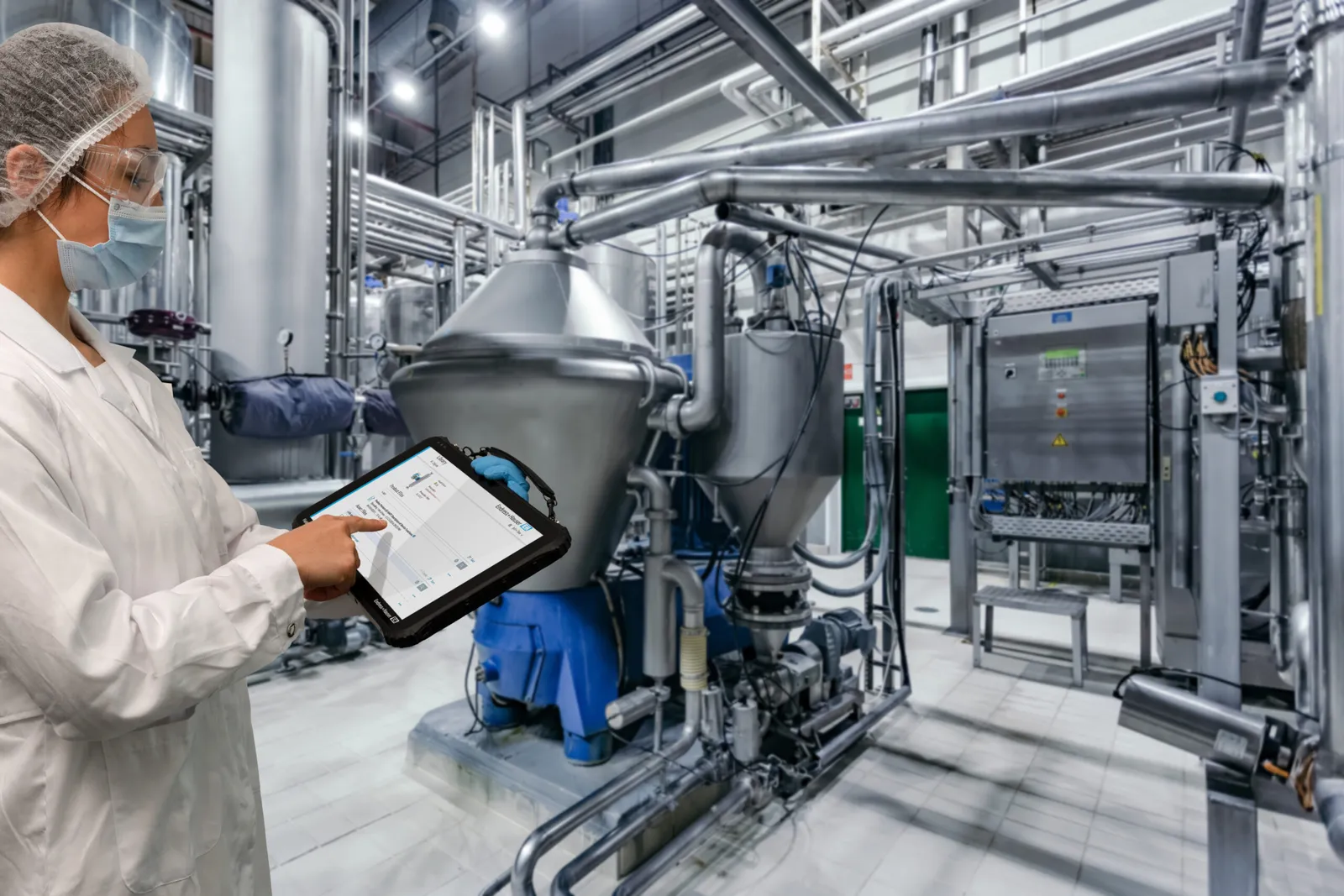
The emergence of bus technology (Modbus, Profibus, Hart …) began to address this from the 1990s onwards. But the latest communication technologies (Profinet, Ethernet APL, IO-Link …) offer users many more benefits. “Sensors are the workhorses of industrial automation. They capture data in the field and turn it into information,” says Peter Gijbels, Head of Solutions at Endress+Hauser. “For example, if a flow meter detects how much volume passes through a pipe, you can determine how much has been consumed. That is what we do today: turn data from sensors into information. But anyone looking to take the next step in production needs insight. They need to know what to do to improve productivity and efficiency. To do that, you need to integrate this data seamlessly into higher-level systems. A level measurement can then optimise your stock management, or a temperature sensor can tell you when your production line is at risk of stopping.
More bits and bytes
And that means digital communication protocols are essential. “Sensors have so much more to tell us than analogue signals can communicate. They can provide additional context. For example, a pressure sensor will often also measure temperature, to compensate for differences that have an impact. Or sensors can provide more information about process conditions (corrosion, abrasion, foaming), enabling process and maintenance optimisation. They can also transmit diagnostic information, so you know whether the sensor is still functioning properly,” adds Wouter Vandevyver, Industry Manager at Endress+Hauser. And Endress+Hauser goes further still. It does not simply provide an error code or a notification when the sensor is out of range or needs maintenance. It also tells you what the cause is and what the solution might be. “With Heartbeat Technology, our sensors even carry out their own verification to check whether they are still performing as they should against an internal reference value. TÜV-certified and compliant with ISO 9001 standards, it helps optimise calibration intervals.”
Always the right instrument
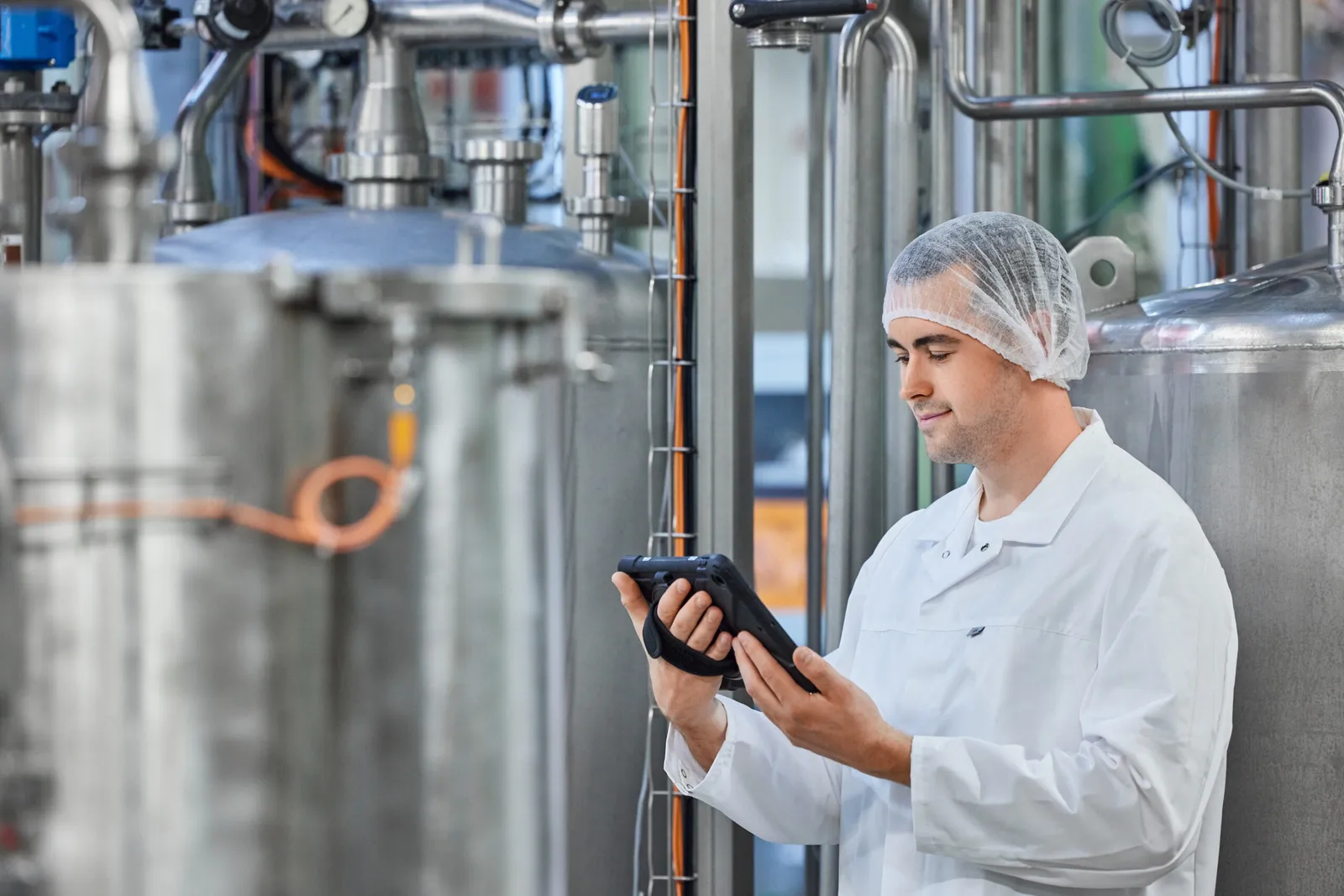
Unlocking all this data requires capable digital communications, of course. Endress+Hauser has built up extensive experience in this area and supports customers in making the right strategic choices. “You can certainly call us ‘communication-agnostic’: whatever communication method the customer prefers, we can always provide the right sensor. In addition, our experience with instrumentation and digital communication protocols means we can help customers put the missing pieces of the puzzle in place, moving from data islands to an integrated whole. We look at which data sources are already available, what information the customer needs, and how we can connect them effectively,” says Gijbels.
Making things as easy as possible
Endress+Hauser has its own hardware (gateways, edge devices) and software tools such as Fieldcare for working with this digital data, and can also connect with food companies’ asset management environments. Vandevyver says: “We try to make things as easy as possible for customers. For example, we have a range of ready-made function blocks to make programming and visualisation straightforward. Production environments contain many legacy devices, each with its own protocol. We can migrate them all to modern communication protocols and bring them together on one platform, so customers can gain insight into their entire production operation. We also test our products in these environments before they go to market, to check that they can be integrated easily into different systems.
Save the date
Curious to see what your digital communications strategy could look like? On 29 September, Endress+Hauser is hosting a full day devoted to digitalisation. It will combine theory with best practices to show what is possible today, where the pitfalls lie and what the building blocks of a sound digital communications strategy are. The company will share more details over the coming months, but make sure to mark the date in your diary.
Een zakelijke vraag aan Endress+Hauser NV BeLux? Get in touch
Companies in this story
Keep following this
Get an email when a new story is published. No account needed.
- ThemeSmart production with data
- SubjectTechnology
- CompanyEndress+Hauser NV BeLux







