












A smooth ERP implementation? It can be done!
Text Valérie CouplezImage iStock
Implementing an ERP system or switching to a different one takes time and resources, and unfortunately there is no getting around that. But it need not be a source of frustration or grey hairs for you and your employees. Good preparation can help your business navigate this process of change smoothly.
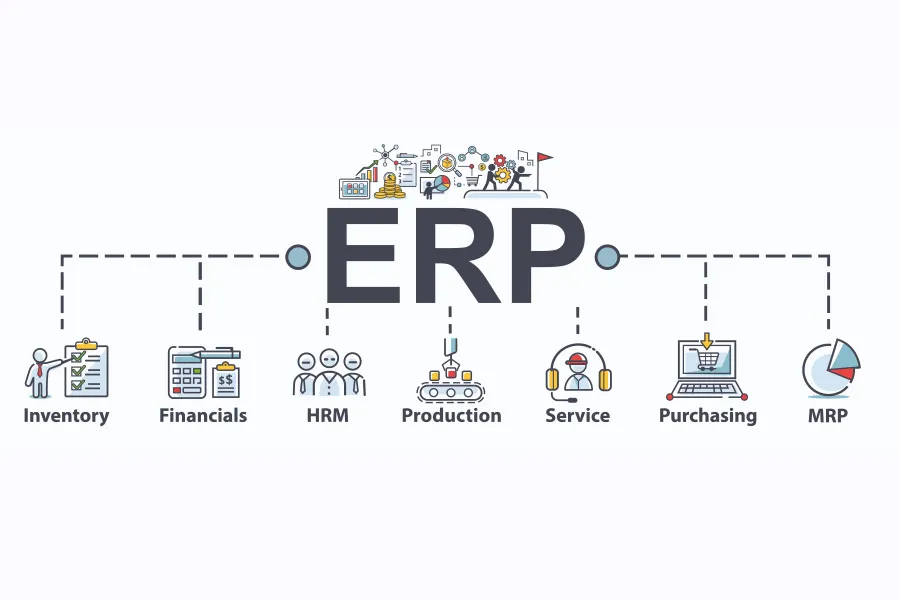
Implementing an ERP package involves more than just the technology. The way a business operates changes. ERP becomes the backbone that supports all processes, helping them fit together better and run more smoothly. Those who get it right will be able to work more efficiently and productively than ever. But because it affects every business process, it really is a process of change for everyone in the business. And that comes with its own pitfalls. Set aside sufficient resources, and above all, time to do the job thoroughly, and involve your employees and draw on their experience. They know the processes best. This does not all have to happen at once, either. Many ERP packages are built around modules. In other words, the software can grow with your business and be introduced step by step. That covers some of the most common pitfalls. Here are a few more tips to make the transition as smooth as possible.
Define the business case
As with any investment, it is a good idea to define the business case for a new ERP package. What do I actually want to achieve with this ERP software? Where does its value lie? These are important questions to keep coming back to if you want everyone on board. They need to see the benefits for them. The business case also provides a good starting point for estimating what the ERP system should deliver in the long term. Once that has been defined, the next step is to put together a team to drive the project forward. Complementary skills are essential, as everyone will have a different role to play. The team’s task is to provide the right input. That means more than just the data: it is also important to explain exactly how all the processes fit together to the ERP supplier. The better the input, the better the output, and therefore the greater the added value.
Involve employees in process optimisation
Think carefully about your own processes, today and tomorrow. Businesses primarily want to automate existing processes, which have often evolved organically over time. But are they still the most efficient way to turn your raw materials into finished products? Implementing an ERP system is the perfect opportunity to review them. It is best to do this before implementation, so that you have a future-proof business structure with your ERP system at its heart. That is precisely what makes ERP implementation a process of change. Listening to employees and involving them from the outset will make it easier for them to accept all the changes on the shop floor. What is more, employees who carry out the tasks are closest to the processes, and can therefore offer a clear view of how workflows could be improved.
A phased approach
A big bang may have worked out well for the universe, but it is rarely a good idea for businesses. A phased approach works best, with requirements, preferences and objectives clearly defined, along with the associated timescales. Set out in black and white what needs to be done, when and by whom. The ERP software supplier can then turn all that input into an initial blueprint for the system. Good communication is crucial at this stage. Make sure the supplier keeps you informed about the implementation project. What is going well? Which milestones have been reached? Which functionalities are still missing? The sooner you can make adjustments, the better. The final opportunity to do so is during the testing phase, before going live. Training your employees is important here. Make sure they become completely familiar with the system, understand how it is structured and know what the new way of working will deliver. ■
Question about this story? Ask your question
Keep following this
Get an email when a new story is published. No account needed.
- SubjectTechnology







