












Co-creation as a driver of innovation in the food industry
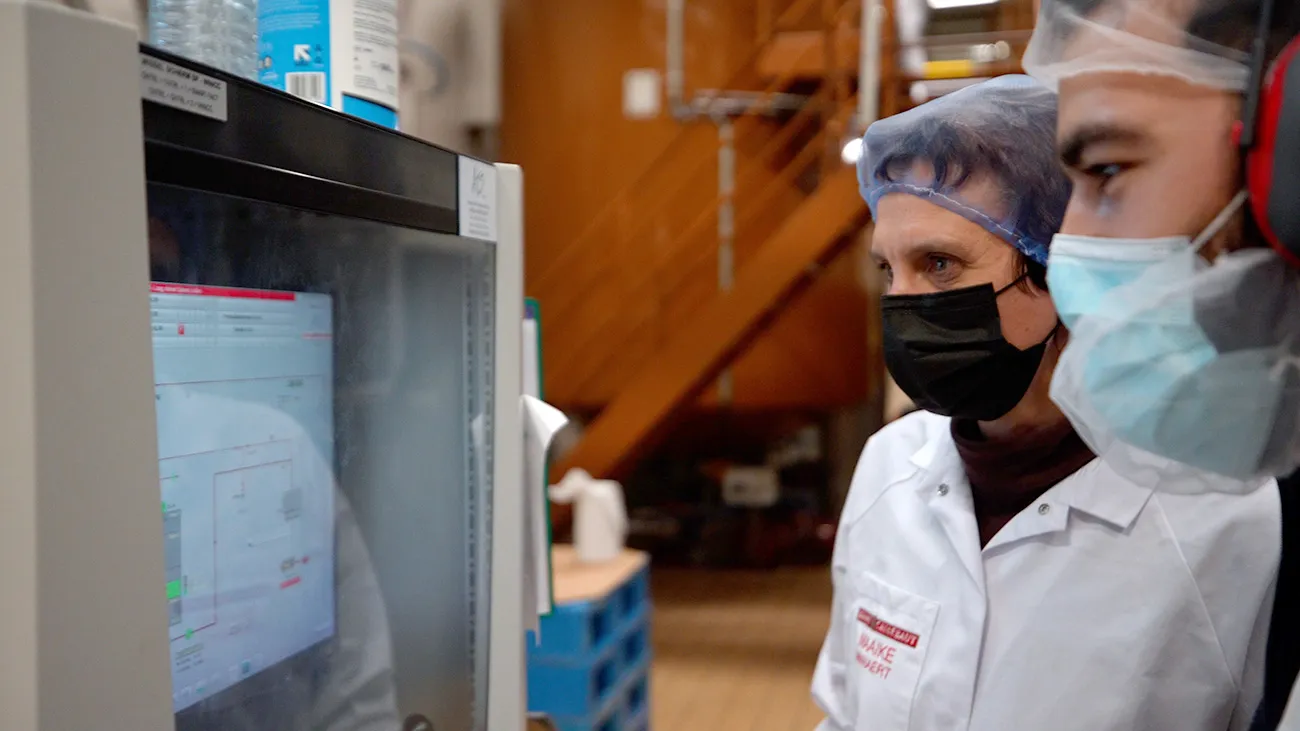
“Collaboration is essential if we want to be world leaders”
The Flemish food industry is innovating at pace to strengthen its international position. Cross-sector collaboration is one way to drive innovation even faster. Three food companies from West and East Flanders, Soubry, Barry Callebout and Vandemoortele, have joined forces. They want to learn from one another how best to automate their production processes.
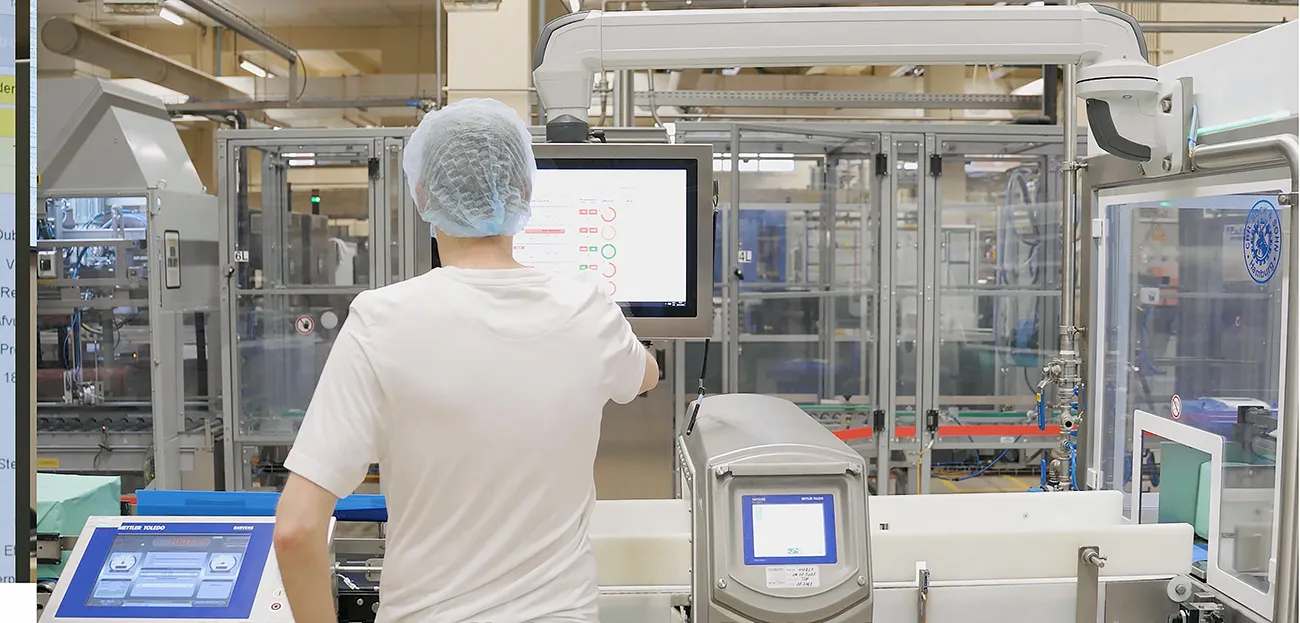
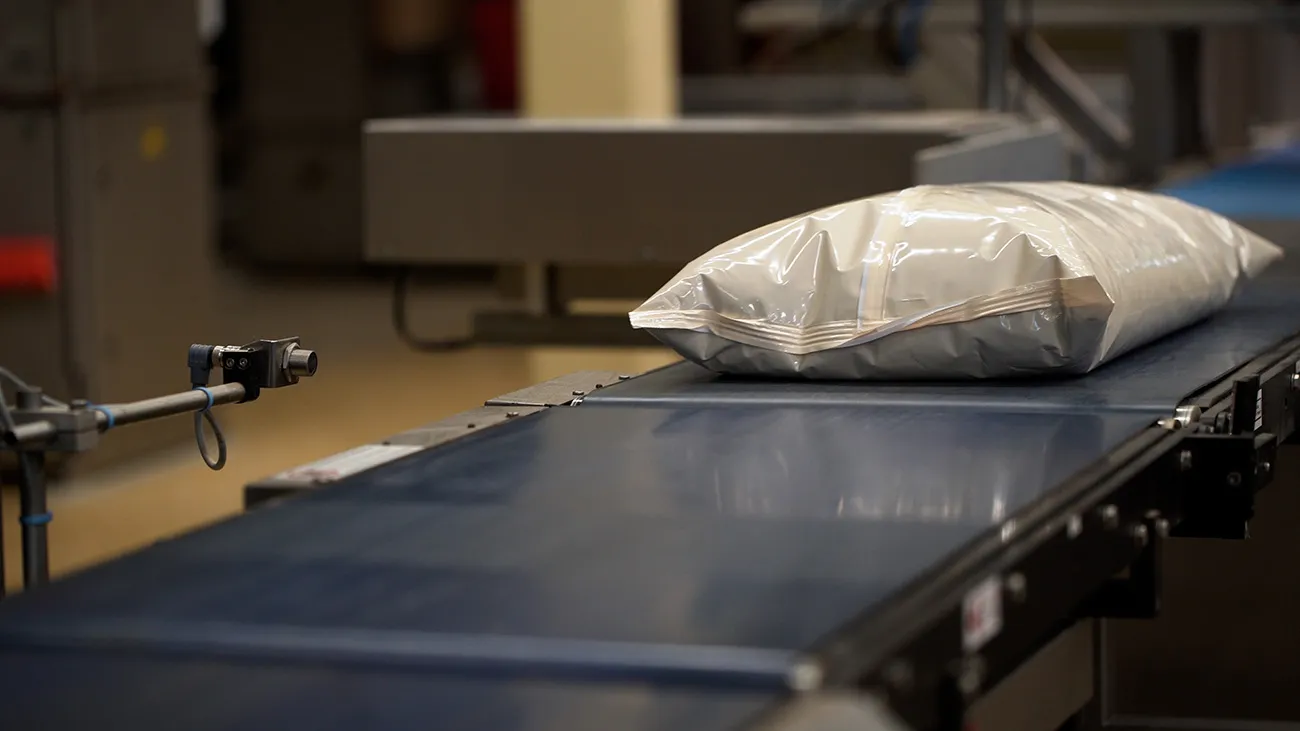
The food industry is a key sector in the Flemish economy, and is making the transition to Industry 4.0 at pace. Data is becoming increasingly important in this process. “To optimise the production process, we need to be able to respond to changes in our operating environment. That means it is important to monitor all the parameters and extract the right values from them to keep our end product consistent. This process is becoming more complex, also because our product range continues to expand,” says Maaike Minnaert, innovation manager at chocolate manufacturer Barry Callebaut. Demand for a more varied range has been growing for some time. Customers are much more demanding than they used to be. Vandemoortele has noticed this too. “Our range is expanding, but the end product must always be of top quality. Demand is also rising, so we need to be able to produce faster,” says Tom Sabbe, production manager at Vandemoortele. “To meet these demands, we are looking for more efficient processes with an adapted role for the operator. Automated in-line checks can help us do that.”
A solution to labour shortages
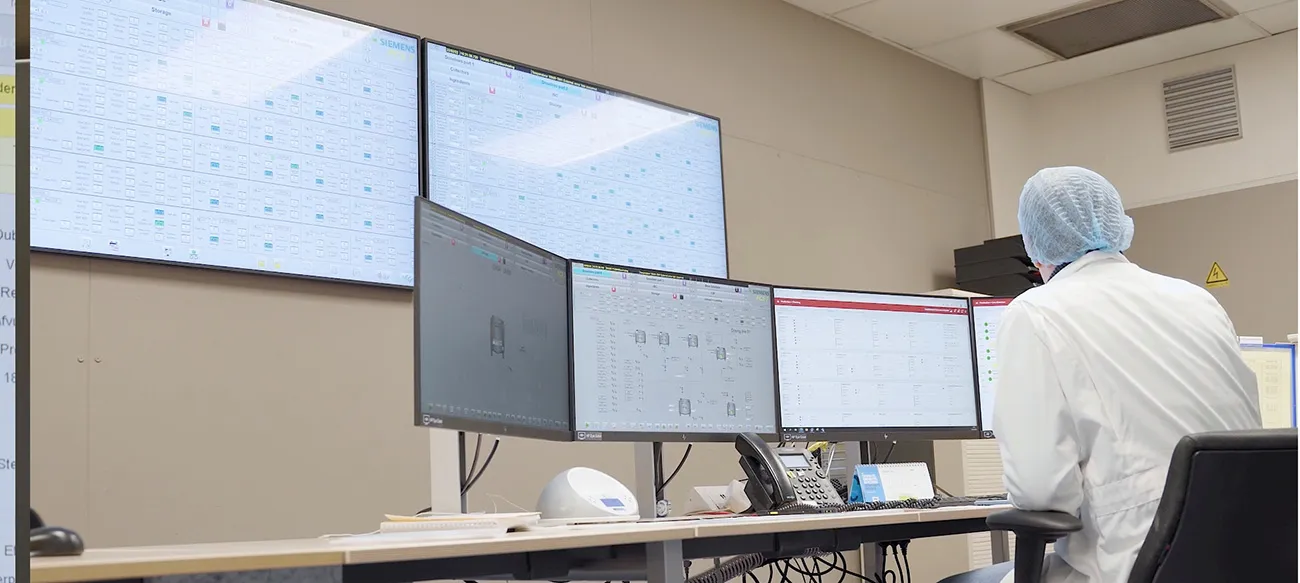
To investigate whether measurements taken during these processes meet the required quality standards, spearhead cluster Flanders’ FOOD launched the Autoprocess project with support from VLAIO. “This project has led to close collaboration between three food companies, enabling us to gain new insights and accelerate innovation. Ultimately, we all have the same goals and objectives. We want to cut costs while strengthening our competitive position,” says Sabbe. Such innovation projects have other benefits too: they enhance a company's image and help build its knowledge base. “If you want to attract young talent, being an innovative company always gives you an edge. Some jobs are becoming more technical, as they automatically involve working with new technologies. This calls for different skills, but also makes the role more challenging. We also want to retain knowledge here. In the past, all the experience was held by the operators. Today, staff turnover is high, so we need to ensure that the know-how remains available and that new people can be brought up to speed more quickly,” Minnaert adds.
The right partnerships drive innovation
Alongside this project, Vandemoortele and Barry Callebaut are also establishing partnerships of their own. “It is important to agree clear terms in advance for any collaboration. The partners you work with need to be at a similar level and have areas in common, while also being different enough for you to learn from one another. The Autoprocess project has certainly been a success, and the food sector needs to continue along this path. Innovation and co-creation go hand in hand,” Minnaert concludes.
Question about this story? Ask your question
Keep following this
Get an email when a new story is published. No account needed.
- ThemePeople make the food industry
- SubjectTechnology







