












Digital twins for the food industry
Text Valérie CouplezImage iStock
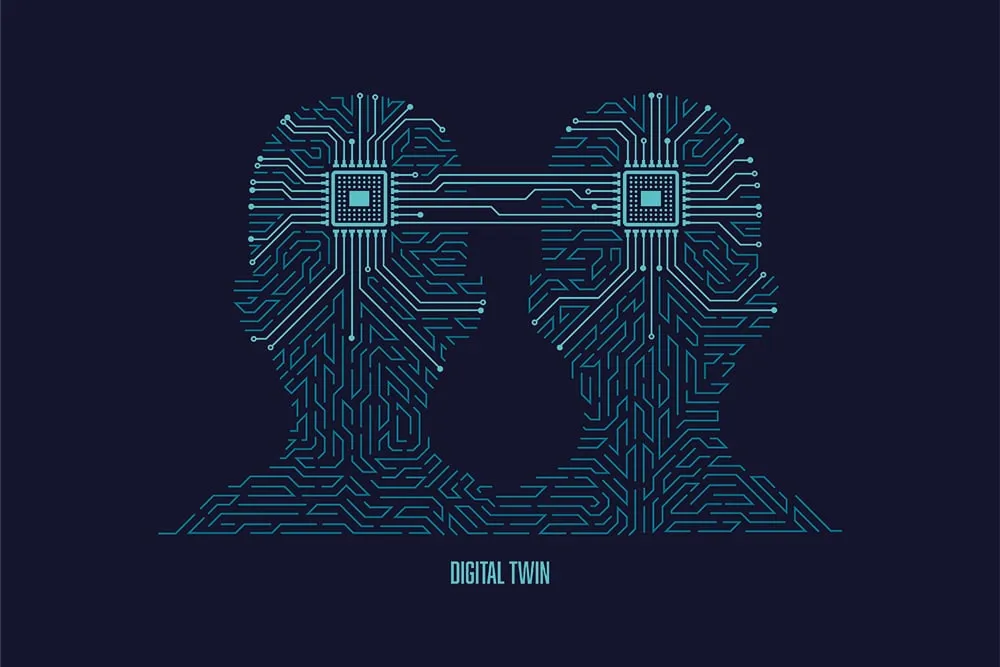
Digitalisation is already well advanced in many sectors. The food processing industry, however, is still at an early stage, even though it is clear that digitalisation can make a major contribution to greater efficiency, process reliability and transparency, as well as higher packaging and product quality. This article takes a closer look at the added value digital twins can bring to this picture.
The food industry has made significant progress in recent years by adopting advanced technologies to improve efficiency, quality and sustainability. One technology that is revolutionising the sector is the digital twin concept. Originally developed in the manufacturing industry, digital twins are virtual replicas of physical assets or processes that enable real-time monitoring, analysis and optimisation. In the context of food & beverage, this technology has enormous potential to transform operations and drive innovation.
Applications of digital twins
Digital twins can be applied at various stages of the production process, from farm to fork. In agriculture, for example, they can simulate crop growth, optimise resource use and forecast yields, enabling farmers to make informed decisions that increase productivity and sustainability. In food processing plants, they can monitor equipment performance, analyse production data and identify areas for improvement to increase operational efficiency and product quality. What is more, in distribution and logistics, digital twins can track product movements, optimise supply chain operations and ensure timely delivery to meet consumer demand.
Benefits of digital twins
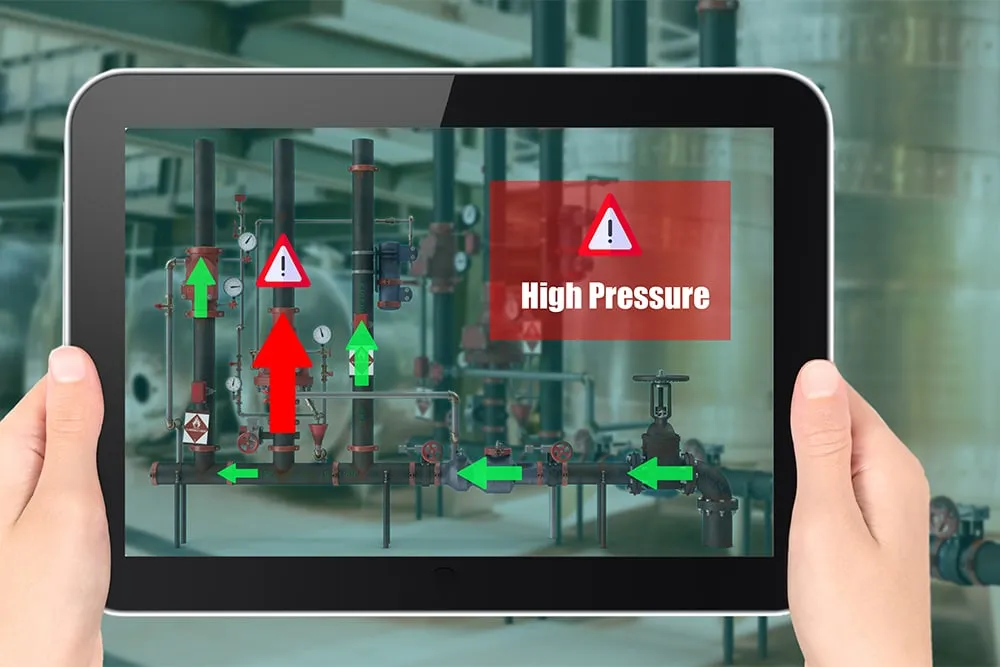
The adoption of this technology offers a wide range of benefits. By creating virtual replicas of their production systems, manufacturers can gain real-time insight into their operations, enabling proactive decision-making and problem-solving. Digital twins also facilitate predictive maintenance, reducing downtime and minimising costly equipment failures. In addition, by integrating data analytics and machine learning algorithms, companies can optimise processes, improve product quality and reduce waste, leading to cost savings and a stronger competitive position.
Challenges and considerations
Although the potential of digital twin technology is enormous, companies need to address a number of challenges and considerations when implementing it. Data security and privacy are of paramount importance, as collecting and analysing sensitive production data entails cybersecurity risks. Interoperability issues between different systems and devices can also pose challenges when integrating digital twins into existing workflows. Moreover, the scalability of digital twin solutions and the cost of implementation can be barriers for smaller companies with limited resources.
Future outlook and trends
Looking ahead, the future is promising, with ongoing technological advances shaping the landscape. The convergence of the Internet of Things (IoT), artificial intelligence (AI) and cloud computing is expected to drive innovation and unlock new opportunities for digital twins. As companies invest in digital transformation and Industry 4.0 initiatives, we can expect digital twin technology to be widely adopted throughout the food supply chain, from production to distribution and retail.
Conclusion
The evolution of digital twins is a transformative trend that is changing the way companies operate and compete in the market. By harnessing the power of digital twins, food and beverage manufacturers can gain a competitive advantage, drive operational excellence and meet consumers’ evolving demands for transparency, traceability and sustainability. As the technology continues to develop, its adoption is set to become a key differentiator for success in the dynamic and complex landscape of the food industry.
Question about this story? Ask your question
Keep following this
Get an email when a new story is published. No account needed.
- SubjectTechnology







