












Digitalisation as a means of making packaging more sustainable
Sustainability and digitalisation are currently the two most pressing issues in packaging and logistics. But what if we combined these two game changers? There are strong indications that these two trends are increasingly converging and reinforcing one another.
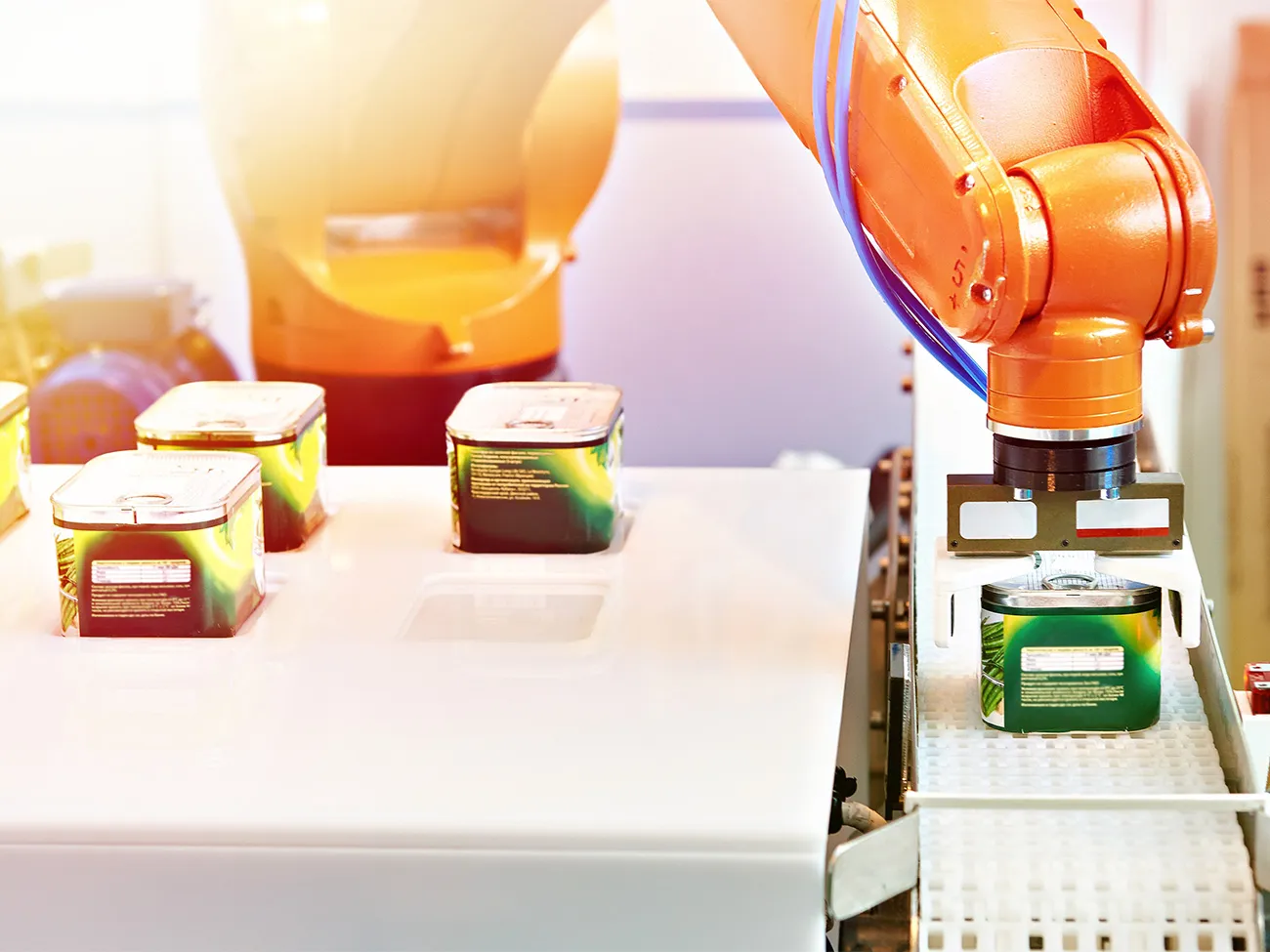
Digital technology and the use of data are major drivers of change in the packaging industry. After all, digitalisation enables manufacturers to make their core business, the production of goods, more efficient and sustainable. This includes developing new products and business models, as well as optimising existing processes. The same applies to packaging processes, which have made significant gains in flexibility and productivity in recent years thanks to intelligent machines. Whether they use less material or enable the use of different materials, modern packaging machines allow users to choose the most environmentally friendly option for each type of packaging. In this way, cost efficiency and sustainability can go hand in hand. Advances in production, including the use of real-time machine data, predictive maintenance and automated material flows, also result in greater efficiency and the continuous improvement of processes’ sustainability. This is impossible without the move to intelligent machine controls.
Traceability supports circularity
Digitalisation also offers new ways to engage with customers and suppliers to design intelligent, sustainable and more recyclable packaging. Printed tags and codes even give packaging a digital identity, making products easier to trace and more efficiently scheduled for internal or external transport. Smart packaging can also provide information about the raw materials and types of plastic used to make it. This naturally has a positive impact on sorting and recycling at the end of the packaging’s life. Inefficiencies in sorting are currently one of the main barriers to recycling packaging waste. The more efficient the sorting, the more effective the mechanical recycling and the better the quality of the recovered material. Machine-readable codes on packaging waste are a step in this direction. One initiative worth mentioning is Holy Grail. Various companies and organisations across the entire packaging chain are committed to improving waste sorting to achieve better recycling results in Europe. These include manufacturers such as P&G, Danone, Nestle, Pepsico, BASF and Borealis.
Sustainability through digital supply chain management
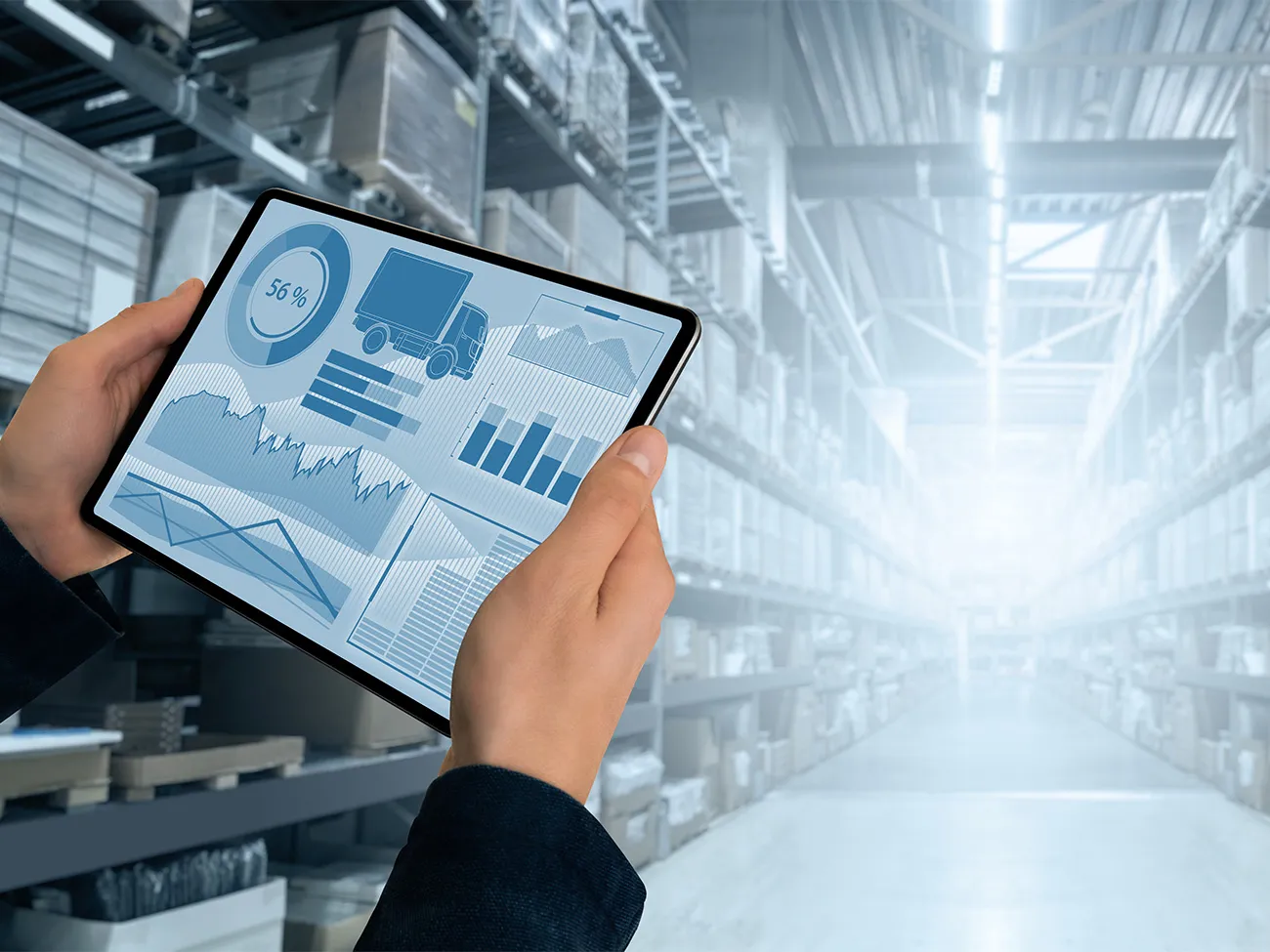
Another way digitalisation contributes is by making supply chains more transparent, from information about the farm a steak comes from to the conditions under which it was produced in its country of origin. This enables consumers to make informed purchasing decisions. It also increases pressure on companies to adopt standards that benefit the environment and society. Data are used in product transport to calculate the fastest and shortest routes. Solutions familiar from production environments, such as machine learning and digital twins, can also improve logistics processes. Virtual supply chain networks based on algorithms enable precise control over the complex movement of goods, calculate the best distribution networks and thereby optimise the entire material flow. This creates not only more resilient and flexible networks, but also, above all, more sustainable ones. When food reaches consumers faster, it is less likely to pass its use-by date, resulting in less food waste. In addition, more efficient routes save substantial amounts of CO2 emissions.
Less paper
Another benefit of digitalisation is the reduction in the number of documents required. By going digital, with orders placed through webshops and customer platforms, internal task lists on digital devices, digital delivery notes and so on, businesses use less paper as a raw material. Smart packaging with machine-readable codes is needed to connect all these processes. That is the future of packaging.
Question about this story? Ask your question
Keep following this
Get an email when a new story is published. No account needed.
- ThemeSmart production with data
- SubjectTechnology







