












From 1D to 2D codes: an inevitable evolution
Text Valérie CouplezImage Markem-Imaje
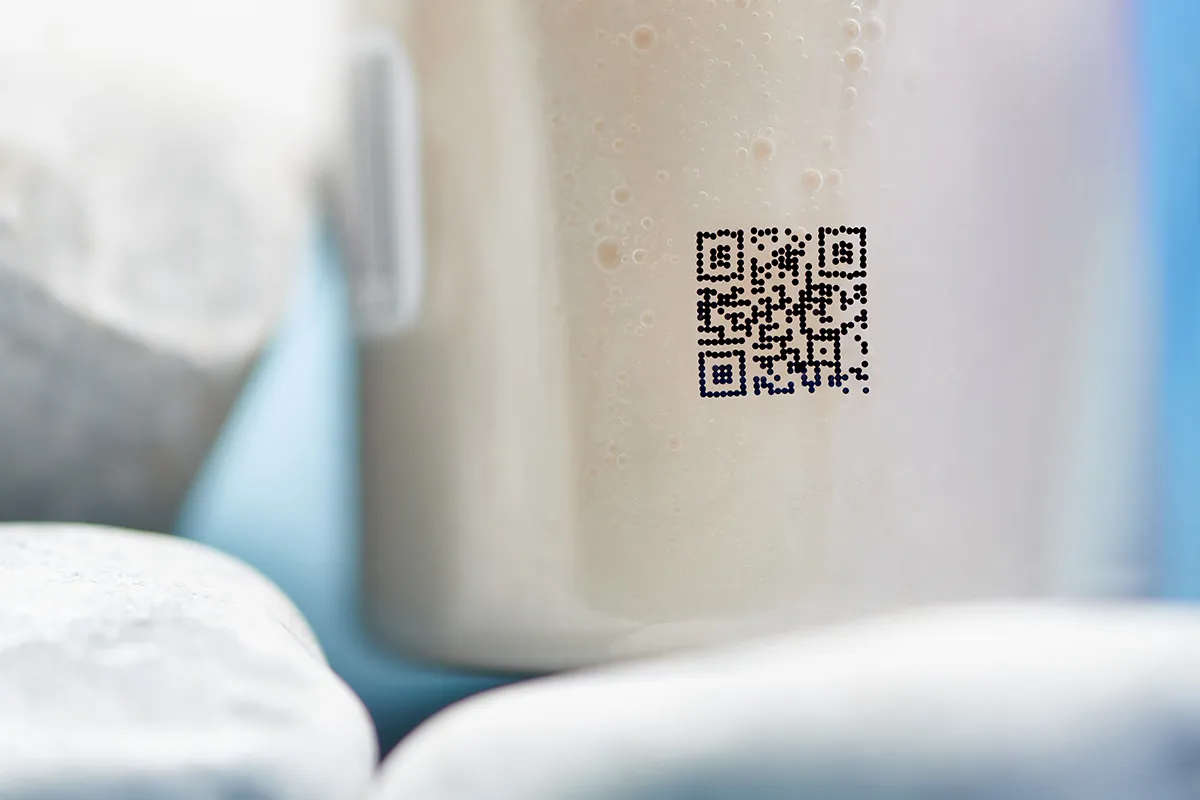
We are on the brink of the transition from 1D codes to 2D codes. This evolution will have a huge impact on retail, where new scanners and software will be needed everywhere, as well as at every other point in the supply chain. To help food companies through this transition as effectively as possible, Markem-Imaje supports its customers with end-to-end solutions. The food industry, in particular, has many opportunities to gain from 2D codes.
A 1D code does not tell much of a story. It identifies the EAN number and, therefore, the product. A 2D code adds a wealth of information, in a standardised format through GS1 Digital Link. “We are seeing data become increasingly important. A 2D code can communicate much more data across a far smaller area. This can cover production details, such as batch data, lot number and best-before date, but it can also help build a stronger relationship with the end customer. For example, a 2D code can contain a URL explaining the story behind the product, from farm to fork,” explains Bob Bols, software solution sales at Markem-Imaje.
A step forward for everyone
Technically, 2D codes will represent a step forward for everyone in the chain. “Who hasn’t experienced this at the checkout? A product has to be scanned several times because the code cannot be read properly, or is completely unreadable. In that respect, 2D codes are more versatile. They can be read from different angles, and any damage to the code can also be compensated for more easily.” For food companies, retailers and points of sale (POS), this will boost efficiency, particularly in traceability and stock management. “You know which batch each product comes from and its best-before date. This makes it easy to ensure the right products are dispatched or processed first, or even to calculate a discount automatically if the best-before date is approaching.”
Customer engagement and tackling counterfeiting
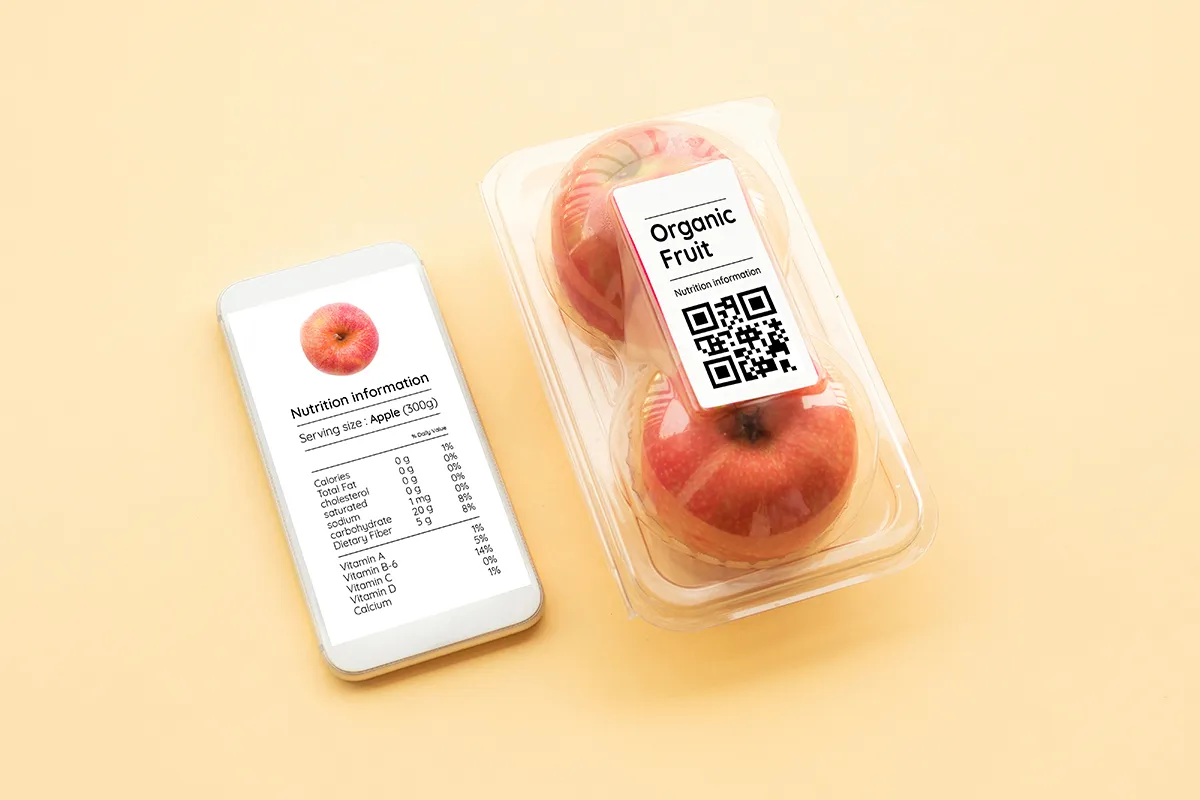
At present, it is mainly major brands that are experimenting with 2D codes. “Customer engagement is the main driver. Promotions, for example, can encourage customers to scan the 2D code. As mentioned, they can find the story behind the product they have bought, as well as all the nutritional information, details of any allergens and recipes for using the products. These are things that are also shown on packaging today, but are not always easy to read.” A second important reason for food companies to adopt GS1 Digital Link is the ability to guarantee product authenticity. “Serialisation is already mandatory in the pharmaceutical and tobacco sectors, mainly to combat counterfeiting. The same principle is now filtering into the food sector, particularly for high-end products. A 2D code is a perfect tool for this.”

It’s on its way
The eventual widespread adoption of GS1 Digital Link will need to go hand in hand with changes to legislation. “Legislation currently requires information such as allergens and nutritional values to be stated on packaging. This takes up space that food companies could use for marketing purposes and to promote their brand. Wine is already an exception: wine producers are allowed to remove information from the label and put it in a 2D code. So things are already moving, including among retailers. For example, UK retail group Tesco has already taken the initiative to require GS1 Digital Link from suppliers who want to get their products on its shelves.”
Support from A to Z
This is an evolution food companies will not be able to avoid. Fortunately, they can count on Markem-Imaje to make implementation as smooth as possible. “You need new software and hardware to print 2D codes. There is certainly some adjustment involved, particularly for those choosing in-line printing: designing a new label layout, linking to the customer’s master data and so on. But we have the technology, people and experience to manage the process and develop solutions that require as little human interaction as possible for maximum efficiency,” concludes Bols.
A business enquiry for Markem-Imaje NV? Get in touch
Companies in this story
Keep following this
Get an email when a new story is published. No account needed.
- ThemeSmart production with data
- SubjectTechnology
- CompanyMarkem-Imaje NV







