












Fully up to date on digitalisation, sustainability and Industry 4.0
Text Valérie CouplezImage Valérie Couplez en VITO
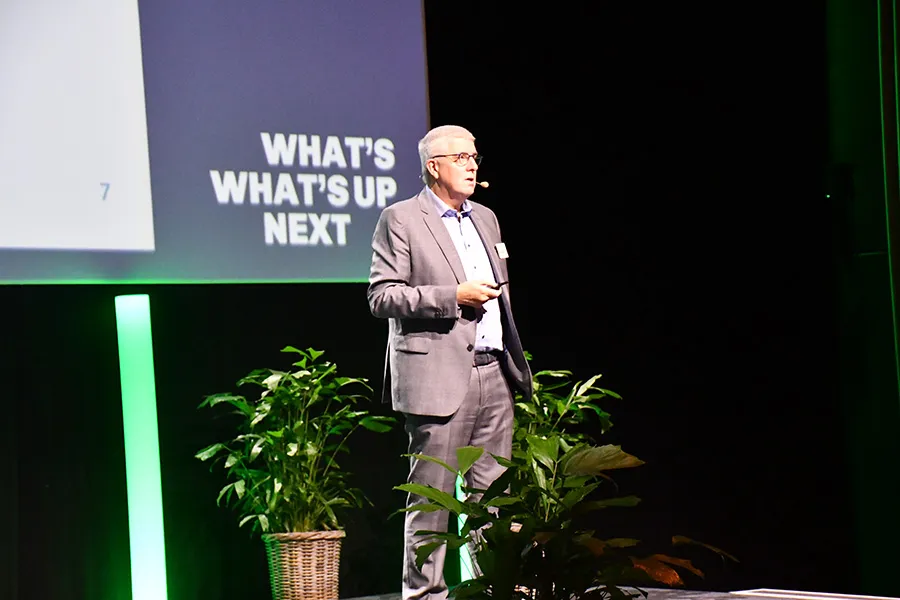
The challenges facing the food industry are considerable, to say the least. Innovation will be crucial to strengthening the competitiveness of European companies. #industriepartnerschap aims to help companies take steps in this area. The organisation brings together the knowledge and experience of sixteen Flemish innovation partners. At the What’s up, What’s next event, they brought the audience up to speed on the key developments in digitalisation, sustainability and Industry 4.0. The mission? To inspire, raise awareness and connect. Attendees also had plenty of opportunities to network and present their projects to experts.
One striking feature of this edition was the breadth of its programme. Before delving into the three themes, digitalisation, sustainability and Industry 4.0, the importance of innovation was explored in greater depth. Pieter Timmermans, managing director of the VBO, presented the figures and sought to explain the impact of the US Inflation Reduction Act compared with the European Green Deal. “The Flemish government has made innovation a priority through a clear strategy. Thanks to additional support, but also to the efforts of our entrepreneurs, on whom everything ultimately depends, we have moved from the middle of the pack to the top in Europe. There is still a way to go, of course, but those efforts are paying off. The number of patent applications has also risen significantly. But perhaps we are still a little too modest about bringing these impressive achievements to people’s attention.”
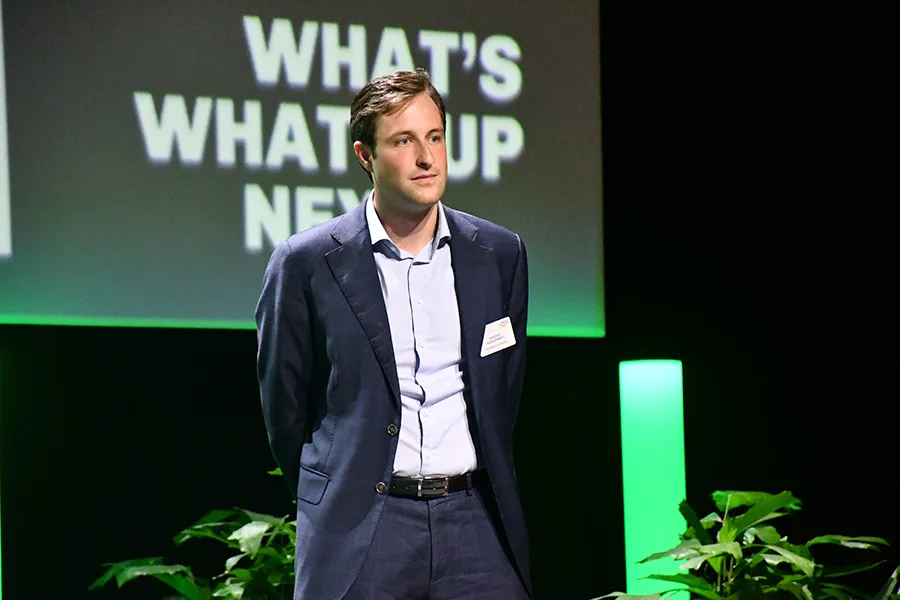
Innovating for sustainability
Both the US and European governments are also strongly encouraging innovation. The US Inflation Reduction Act provides 200 billion in tax incentives. “With this, the United States aims to cut emissions by 40% by 2030. It is all about cleantech. Should we be worried about losing our competitive advantage in this field? No, not yet. By way of comparison, in Massachusetts they were proud of the four wind turbines they were going to install off the coast with this support. Here, there are already hundreds. Should we be worried that our tech companies will move there to benefit from those attractive support measures? Perhaps, which is why it was important for Europe to have its own industrial plan too.” That plan was introduced in February this year. It is intended to simplify regulation, speed up access to finance, improve ‘new’ skills and promote open trade for resilient supply chains. “It is an opportunity,” says Timmermans. “R&D is crucial, especially for us. We have no raw materials in the ground, only what is in our heads, so let’s turn that into an export product. The US Inflation Reduction Act has shaken us awake. May this be the start of a revival of industrial policy in Europe.”
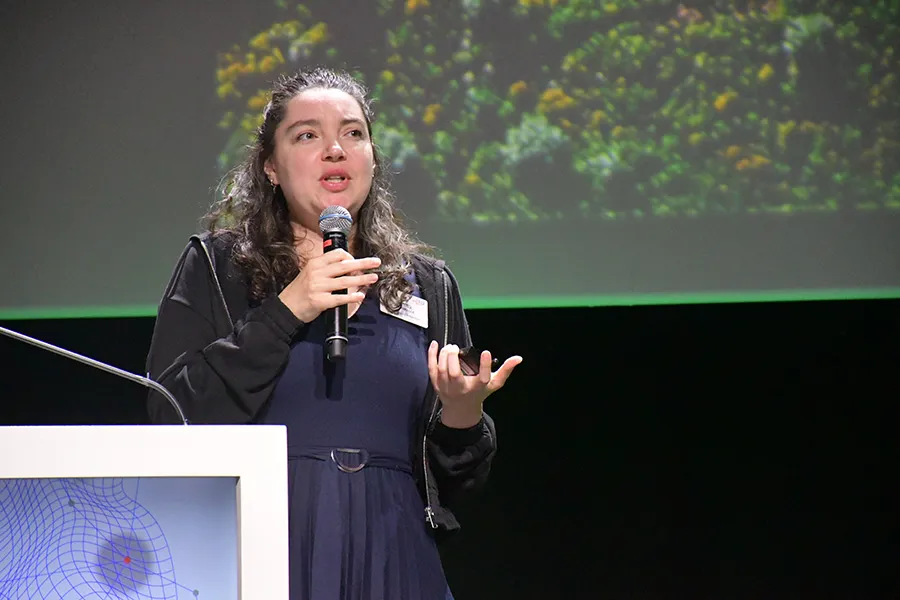
Climate as a driver of economic growth, and vice versa
The areas best suited to this kind of innovation, as you might expect, were then explored in three ‘deep dive’ session tracks. First, we were treated to a second keynote. In ‘De Klimaatschok’, Yanaika Denoyelle and Kristof Eggermont quantified twenty concrete actions that governments, companies and citizens can take to meet climate targets. They cited some striking examples. “Economic growth can act as a driver in tackling the climate challenge. Since 2007, several countries have managed to boost their economies without seeing CO2 emissions rise. Decoupling is therefore no obstacle to greater prosperity. Industry has also already made significant efforts to reduce CO2 emissions. Since 1990, they have fallen by a third. To meet the climate target, we need to reach -58% by 2030. So let’s look at the opportunities this offers to keep industry here and improve quality of life.”
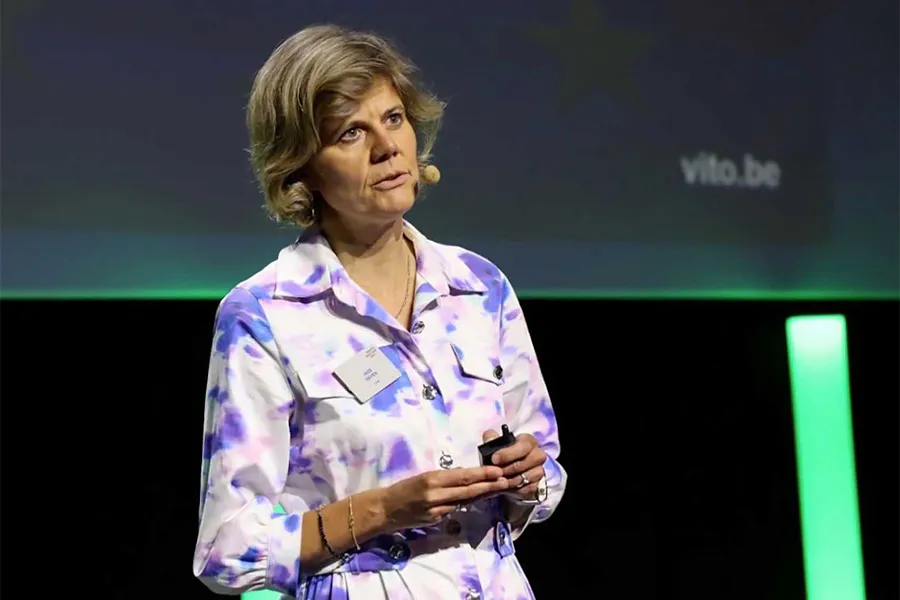
Intensifying collaboration
Inge Neven, the newly appointed CEO of VITO, closed the day with a final keynote calling for intensive, lasting collaboration. “There are two major conditions for finding a new balance,” she said. “We have to do it together, and we have to do it now.” Inge Neven has strong faith in the digitalisation of data and artificial intelligence. “We are on the brink of a revolution driven by AI and digital data. We must not let the complexity and scale of the challenges we face paralyse us. We have to dare to take the leap, choose models, put them into practice and measure again. We can use that data to feed the model again and adjust it where necessary.” ■
Question about this story? Ask your question
Keep following this
Get an email when a new story is published. No account needed.
- ThemeSmart production with data
- SubjectTechnology







