












How data analytics and AI help build the sustainable factories of the future
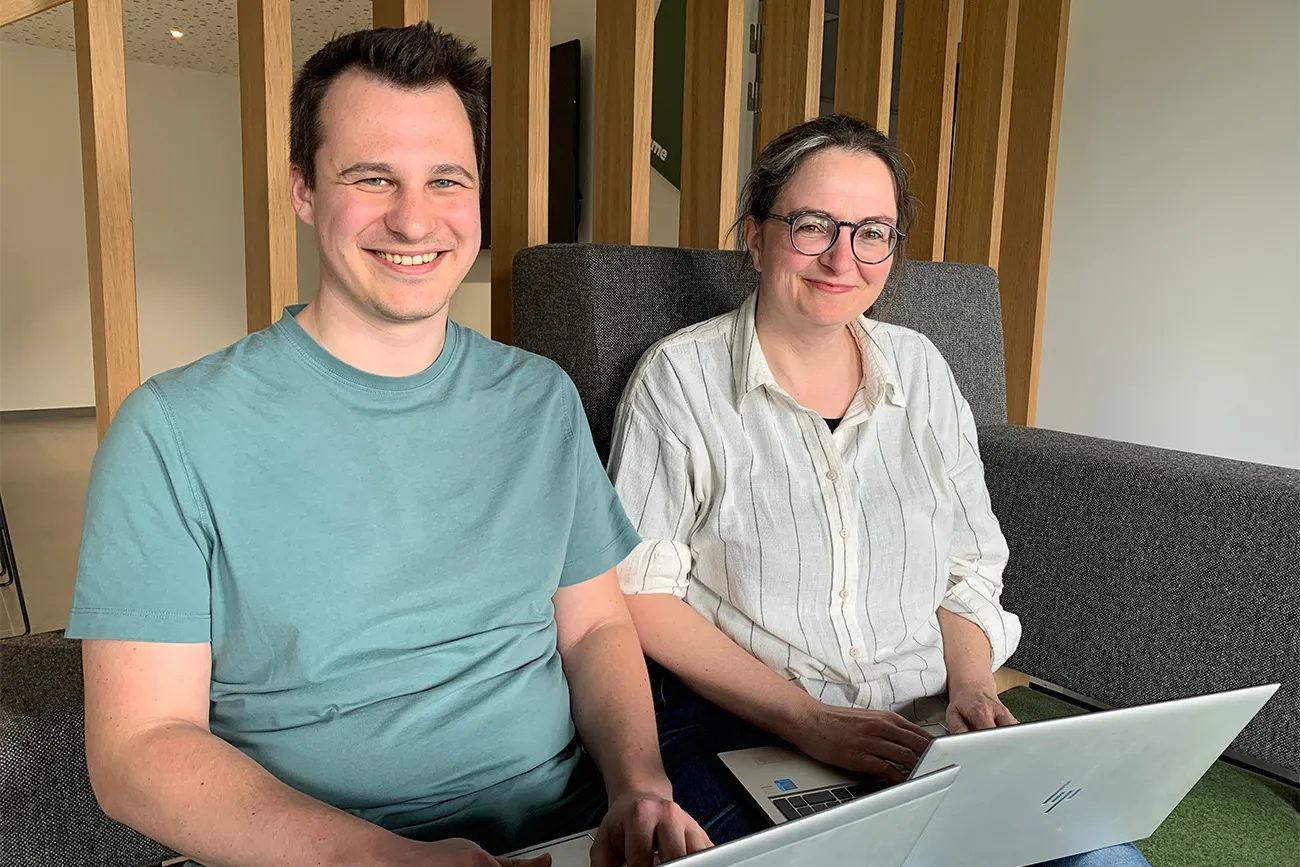
Smart operational excellence. That is what Actemium’s Data Analytics team wants to help you achieve. How? By drawing on its knowledge of processes and process automation. This provides the basis for understanding exactly what the data are telling us and how they can help create added value.
You read it here last year: Actemium helps its customers build the sustainable factory of the future. This is a story that has long been about more than automation alone, with digitalisation becoming an increasingly important component. “Food companies are logging more and more data today. As far as we’re concerned, the more the better,” says Greet Lefebvre, team leader Data Analytics at Actemium, with a laugh. “To build a relevant application, you ideally need one to two years of historical data. And because it is not always possible today to predict exactly what you will want to learn from that information in a few years’ time, we advise companies to log as much as possible. Especially since the technology has become much more affordable.”
Relevant data
The data primarily come from the PLC. “You can get almost all the data relevant to process optimisation from there. This is especially true in food companies, where plenty of sensors already capture data along the production line. For highly specific data, there is now a wide range of IoT sensors available to provide even more information about particular processes,” says Jeroen Pandelaere, Data Analytics consultant. But data are not yet insights. Actemium starts with the customer’s specific question, then analyses and visualises the data and distils them into information the customer can use. “We take a bottom-up approach. We don’t start from management processes, but from what the data tell us about production bottlenecks. We add the knowledge and experience of our team of engineers to that. The more you know about processes yourself, the easier it is to identify the relevant data and connections. Even without clever algorithms,” says Lefebvre.
Artificial intelligence
Data analytics does not necessarily have to mean artificial intelligence. “Of course, we use it when the customer’s needs call for it. At the same time, it is a technology that is still in its infancy in industrial practice. That is why we build in enough checks, especially in critical production processes, to take small, safe steps in the right direction. But there is no doubt that it is a valuable additional tool in our toolbox,” says Pandelaere. “Whether we apply it also depends greatly on how far the customer has progressed with their digital transformation. To make the most of the insights provided by data analytics and artificial intelligence, people on the shop floor need to have confidence in them. After all, digital technology is mainly there to support people in their work and take the less enjoyable tasks off their hands.”
Overcoming hesitation
“In practice, we often see that when a food company overcomes its hesitation and invests in data analytics, new projects quickly follow. The first hurdle is the hardest. Once it has recognised the value of the wealth of data at its disposal, ideas for subsequent projects often start coming quickly. These are often issues that have been simmering in the company for years, but where a traditional approach falls short because of the volume of data or its variability. AI can handle that better. We also try to respond to this ourselves by organising inspiration sessions and showing what we have already done with data in practice, and above all what it has delivered for our customers,” Lefebvre concludes. ■
Een zakelijke vraag aan Actemium België? Get in touch
Companies in this story
Keep following this
Get an email when a new story is published. No account needed.
- SubjectTechnology
- CompanyActemium België







