












How digitalisation can make all the difference to maintenance
Text Valérie CouplezImage iStock
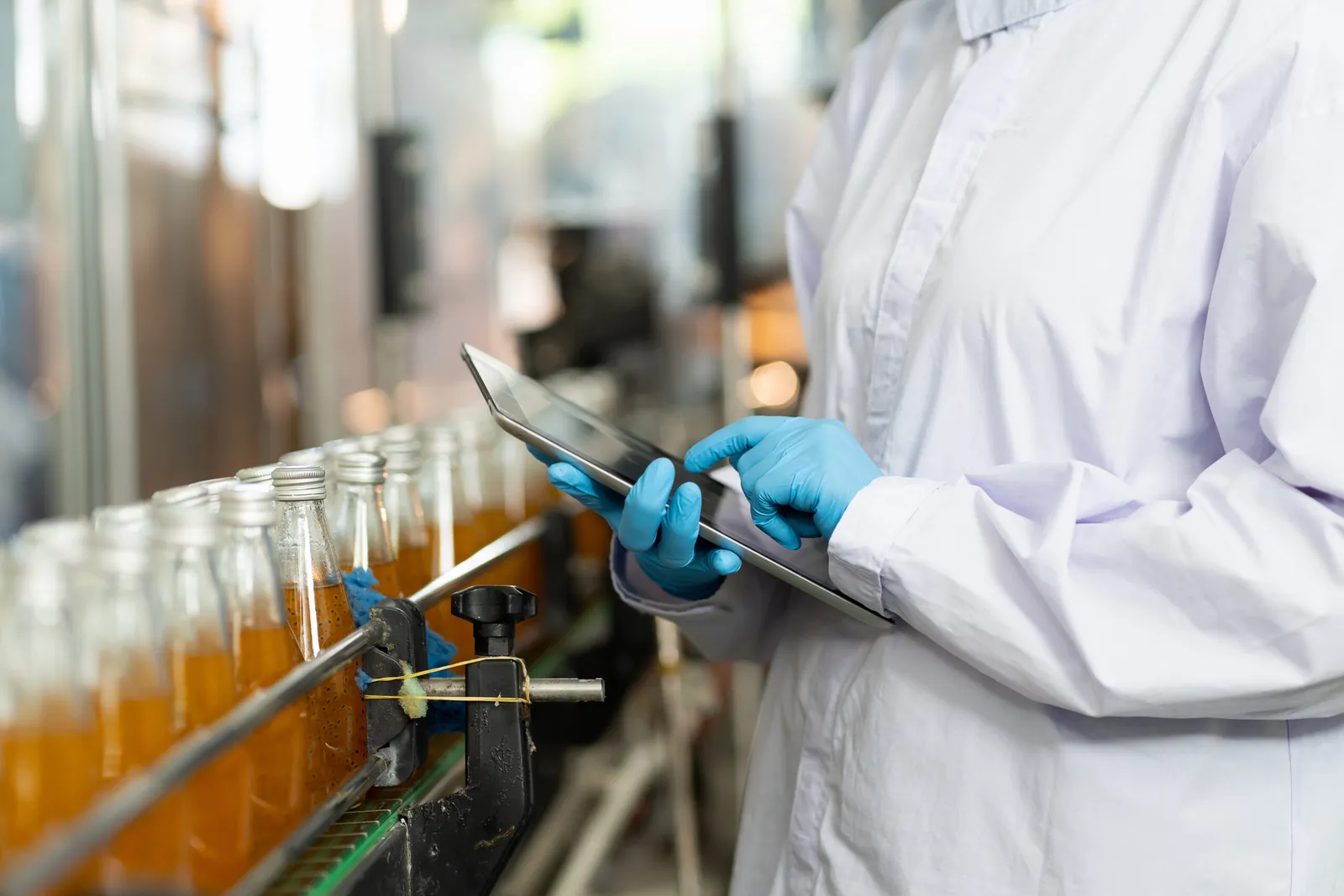
Maintenance in the food industry? It’s like walking a tightrope. You have to balance strict hygiene requirements, ever-changing regulations and the constant pressure to prevent costly downtime. But it’s not just the lost time that hurts, it’s the hidden costs lurking beneath the surface and quietly eating away at your efficiency and profits. That’s why this article explains why investing in maintenance software makes sense.
A CMMS (computerised maintenance management system) is software that centralises maintenance information and processes to improve the reliability, lifespan and availability of assets. It automates maintenance tasks, manages work orders, tracks inventory and schedules preventive maintenance. Below, we set out six reasons why it is well worth the investment.
Work preventively and predictively
Why wait for a machine to fail when you can prevent it? In the food industry, where reliability and safety are non-negotiable, breakdowns are more than just an inconvenience, they put your entire business at risk (and may even jeopardise your customers’ trust). Downtime is usually caused by equipment failure (42%), operator error (19%) and, surprisingly, poor maintenance planning (13%). Maintenance software automatically schedules every task and also tracks every turn of the spanner with laser-like focus. Add extra IoT sensors, and you can gain insight into every whisper and vibration from your machines. By continuously monitoring performance and condition, you can shift from reactive crisis management to proactive prevention, effectively nipping potential failures in the bud. The tangible benefits? Minimal downtime, a lower risk of contamination and the priceless peace of mind that comes from knowing your production equipment is running in harmony.
Focus on food-safe maintenance practices
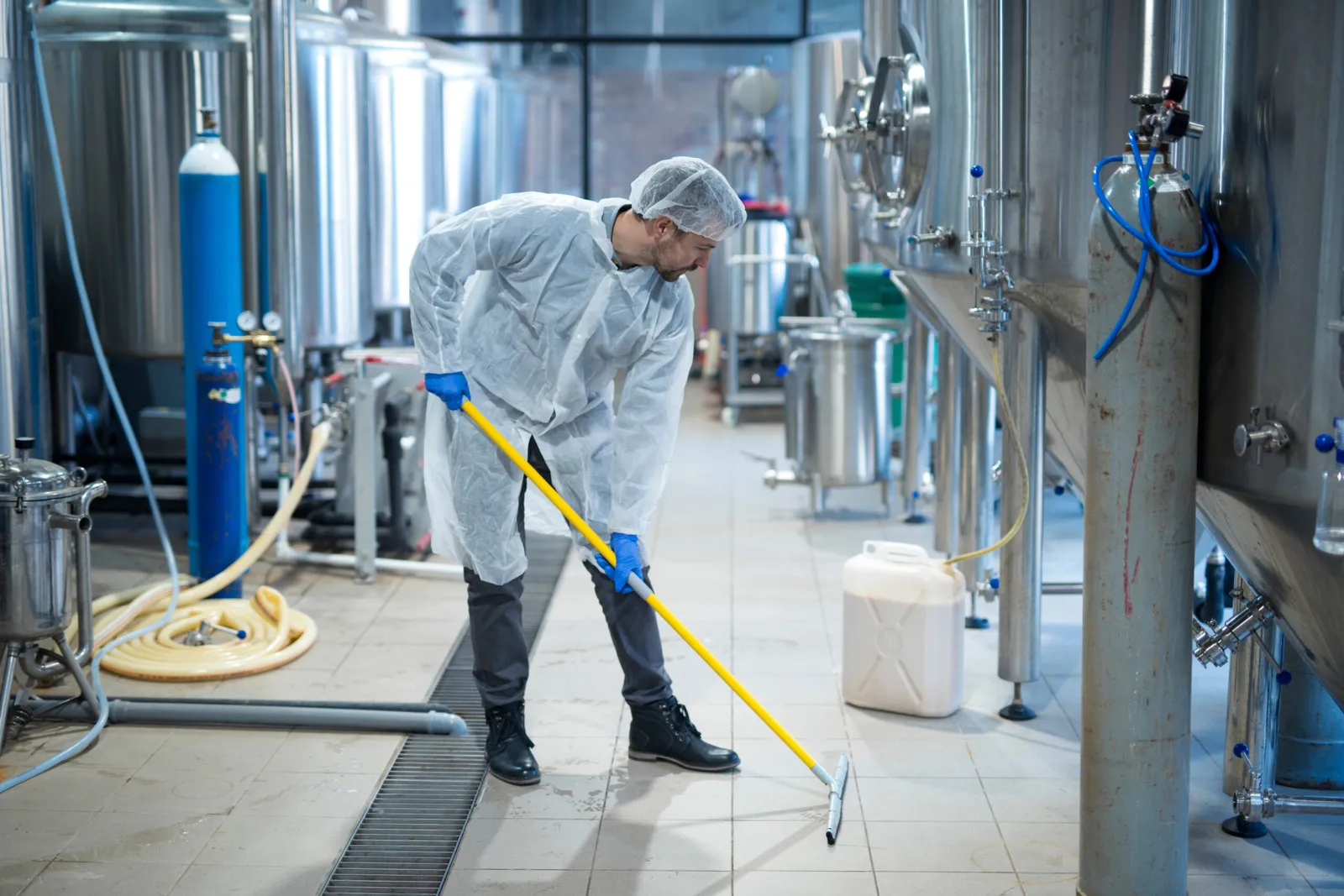
Hygiene is about more than ticking boxes to meet requirements. But how do we make these practices more than just a checklist? How do we turn them into habits embedded in everyday work? Software makes it easy to schedule and track cleaning and disinfection tasks, ensuring every corner is clean and every machine gets the attention it needs. This turns compliance with hygiene standards from an obligation into a point of pride, a sign that your company puts safety first.
Ready for audits …
Navigating the ever-changing maze of food industry regulations is a major challenge. Commitment alone is not enough; you need accurate documentation, with every maintenance log serving as essential evidence of compliance during audits. The real challenge is keeping these records meticulously and making them easy to access. Digital software does this better than paper. It ensures your logs are accurate, up to date and readily accessible, turning the once-tedious task of record-keeping into a smooth and efficient process. Whether you face a routine inspection or an unexpected audit, having a digital log at your fingertips not only demonstrates compliance, but also helps you build a compelling case for your unwavering commitment to the highest standards.

… And ESG reporting
This also supports your ESG efforts. Efficient document management minimises paper waste and streamlines processes, reducing your environmental footprint. In addition, keeping your equipment healthy and safe through proactive maintenance lowers energy consumption and reduces the risk of contamination, supporting more sustainable operations. Transparent, readily available documentation also builds trust and accountability, strengthening your corporate responsibility story. In this way, you are not just archiving documents, but also reinforcing your position as a leader in responsible food production.
Train staff
It’s not enough to put the right practices down on paper; your team also needs to put them into action. But how do you bridge the gap between training manuals and day-to-day practice? Software can help. A CMMS can seamlessly share best practices, tips and safety protocols as part of your team’s daily workflow. This turns training from a one-off event into a continuous learning process. Employees have access to a wealth of information, can learn from past experience and stay up to date with the latest safety protocols, all at their fingertips. This continuous knowledge loop enables every team member to become a well-informed guardian of the health and safety of your machines.
Optimise maintenance planning to minimise production interruptions
Imagine your production line as a well-oiled machine, running at full speed to produce quality products. Isn’t that the ultimate goal of maintenance in the food industry? Now consider the inevitable interruptions for preventive maintenance, essential to keeping everything running smoothly but potentially disruptive if not scheduled strategically. The key to minimising disruption is to optimise your schedule. A CMMS can analyse your production data and identify the best times for maintenance based on historical trends and planned downtime. It also facilitates seamless communication by providing a central platform for sharing maintenance schedules and updates. Remember, the goal is not just to prevent disruptions, but to synchronise maintenance with your production flow.
Conclusion
When it comes to maintenance, remember that safety, efficiency and compliance are non-negotiable, and strive to achieve that. Oh, and most importantly, smart strategies are your recipe for success. In this article, we have explored proactive approaches such as optimised scheduling and predictive maintenance, powerful tools for minimising downtime, maximising equipment lifespan and keeping your production line running smoothly. Remember, consistent, data-driven maintenance is not just about solving problems, but also preventing them. By taking a proactive approach, you protect your employees, safeguard product quality and stay ahead of regulatory hurdles.
Question about this story? Ask your question
Keep following this
Get an email when a new story is published. No account needed.
- ThemeFood safety from design to audit
- SubjectTechnology







