












How to build smart machines
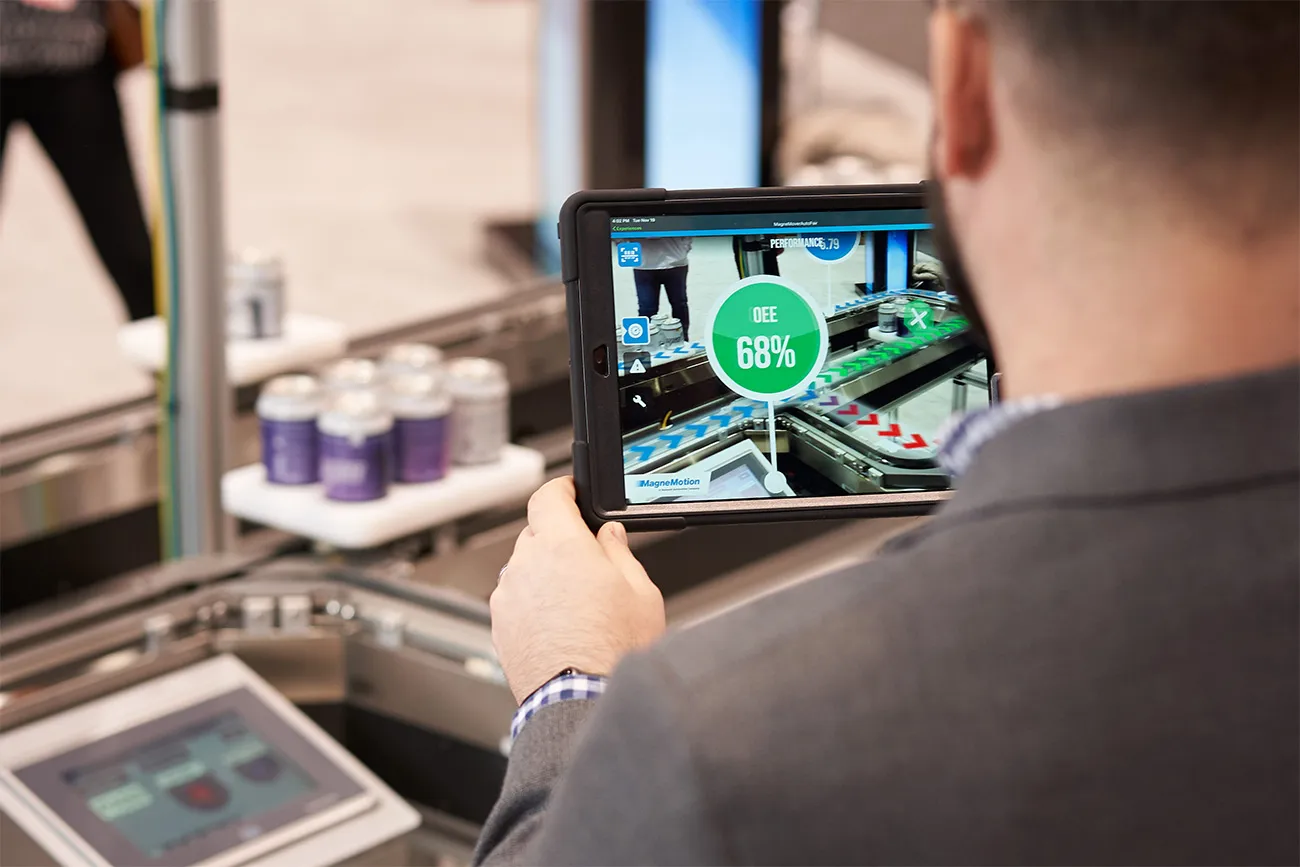
Bringing connected enterprises to life. That is Rockwell Automation’s goal as it supports its customers in their digital transformation. For the automation and digitalisation specialist, it starts with smart machines. Connecting OT and IT reliably requires data. Lots of data. Rockwell helps food businesses map out their digitalisation roadmap by showing them what they can do with all that data. As a local partner, Routeco provides full support throughout the process.
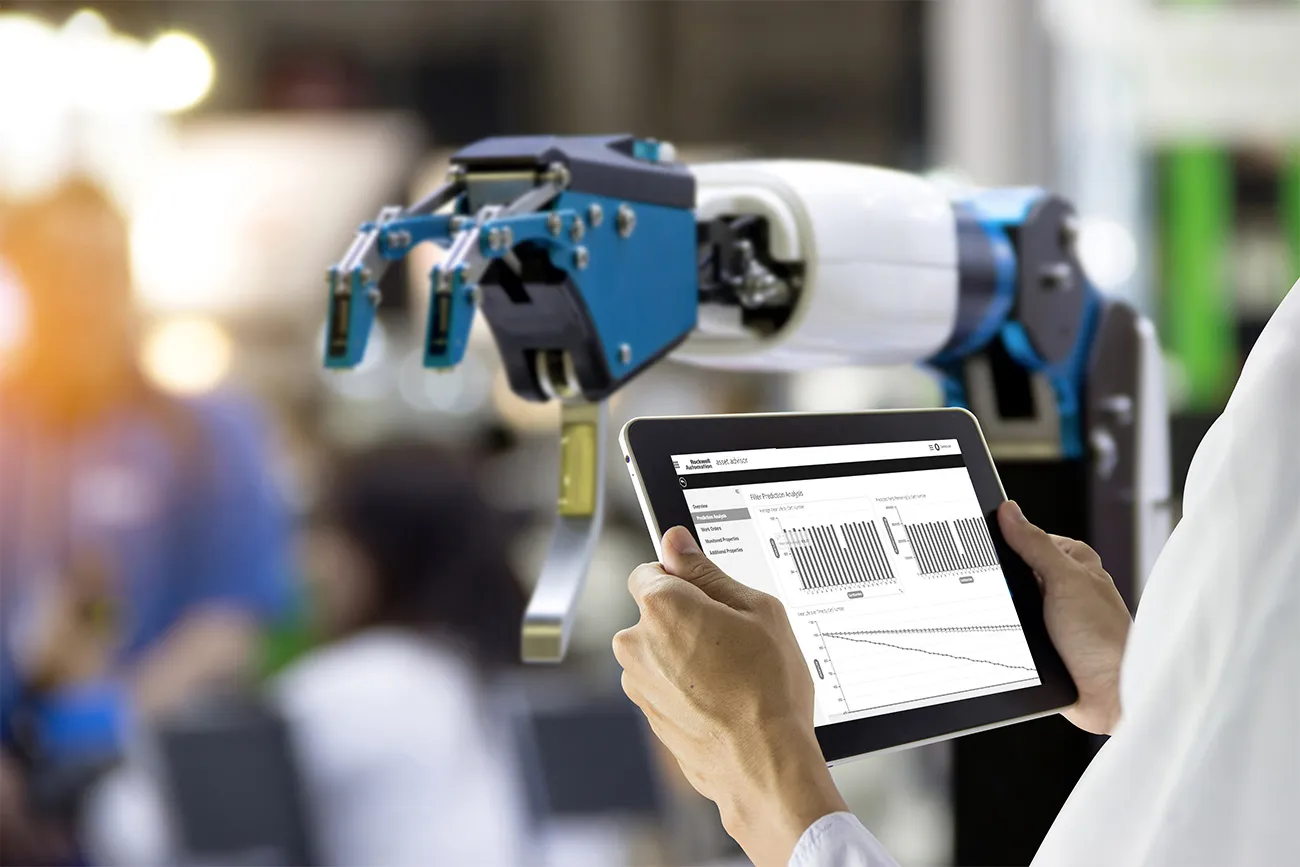
Industry 4.0 is about integrating control and information technology. Communication is therefore crucial. “That is a trump card for Rockwell Automation,” says Patrick Blommaert. “We have always been strong in networking because we recognised very early on the value of a universal communication standard for industrial environments. By focusing on connectivity via Ethernet, we can help food businesses bridge the gap between OT and IT.” Although food businesses still ask the same questions in automation projects, such as how to make the products their customers want as well and as efficiently as possible, the answers are now invariably (at least partly) digital. “Digitalisation can therefore deliver the gains in efficiency, flexibility and food safety that matter today,” Blommaert concludes.
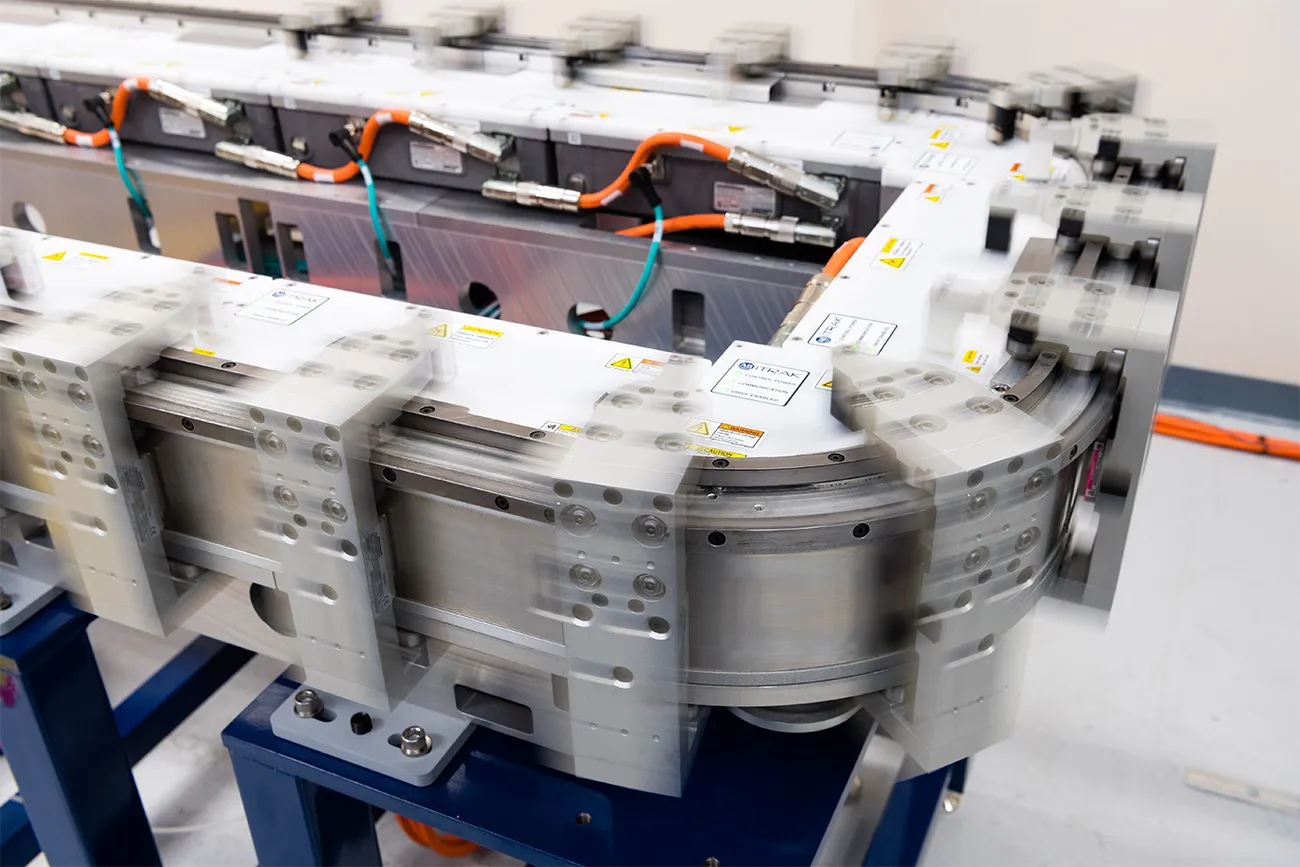
Smart machines are flexible machines
So how do you start a digital transformation? For Rockwell Automation, it starts with a smart machine. The data already available in machines today provides the basis for making them better and faster, while also opening the door to new business models. “The food industry needs to be much more flexible in responding to consumer demands. The days when the same product could run down the production line for a whole week are over. Now, the product formulation or packaging has to be changed several times. By using data and exchanging it bidirectionally, mechanical changes will eventually no longer be needed. Everything can be configured and adjusted on the fly in software, with all kinds of diagnostic information added as well. Digital technologies put this in the right context, and artificial intelligence processes this information to minimise unplanned downtime through prediction and forecast quality deviations. That is where digital delivers value,” says Blommaert.

Digitalise at your own pace
Rockwell Automation has brought together its expertise on this subject in the ‘Smart Machines’ white paper. “What makes us a good partner for food businesses in their digital transformation is that our core business is PLCs. We know them, and we know how to use them to extract the right data from processes and make it available in the right way to all the processes integrated around them. Step by step, of course. Digitalisation does not happen in one big bang. We ensure that all the technology needed for connectivity and digitalisation is already built into our hardware. Customers can then start their journey at their own pace.” To work closely with customers, Rockwell Automation partners with Routeco as its local partner. Blommaert says: “Our range covers the entire toolbox needed to help food businesses work smarter and more efficiently. We rely on Routeco to translate that into practical solutions for users.”
Data to meet objectives
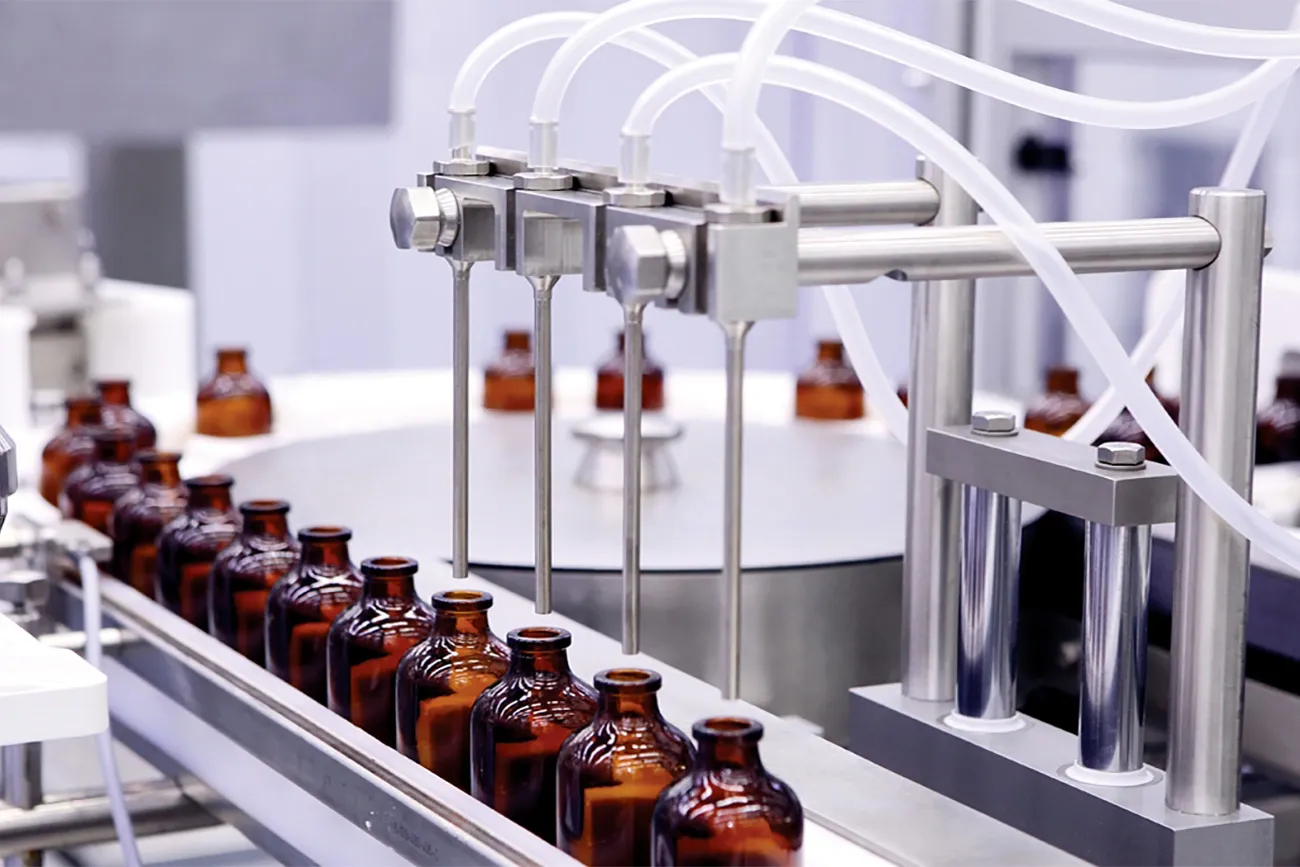
“Digitalisation is progressing at different speeds across industry. We therefore try to connect where businesses are in their transformation with where they want to go, and how we can support them with hardware, software and services,” explains Routeco sales manager Johny Vangeel. “Do they want to improve quality? Produce more energy-efficiently? Reduce production downtime? We work with them to identify the data they need and how it can be used. We also try to look beyond tomorrow, at how smart machines could lay the foundations for new business models, for example. Working digitally and in an integrated way really offers opportunities to differentiate yourself from competitors and get more out of your machines. One advantage of a partner such as Rockwell is that it has everything available in-house, from the smallest sensor to the PLC and all the higher-level software. At the same time, it offers a very open architecture that lets you connect other components and services to create a single integrated system. This means you can have complete visibility and control over your entire factory,” Vangeel concludes.
Question about this story? Ask your question
Companies in this story
Keep following this
Get an email when a new story is published. No account needed.
- ThemeSmart production with data
- SubjectTechnology
- CompanyRouteco B.V.







