












Making digitalisation tangible
Text Kris VandekerckhoveImage Testo
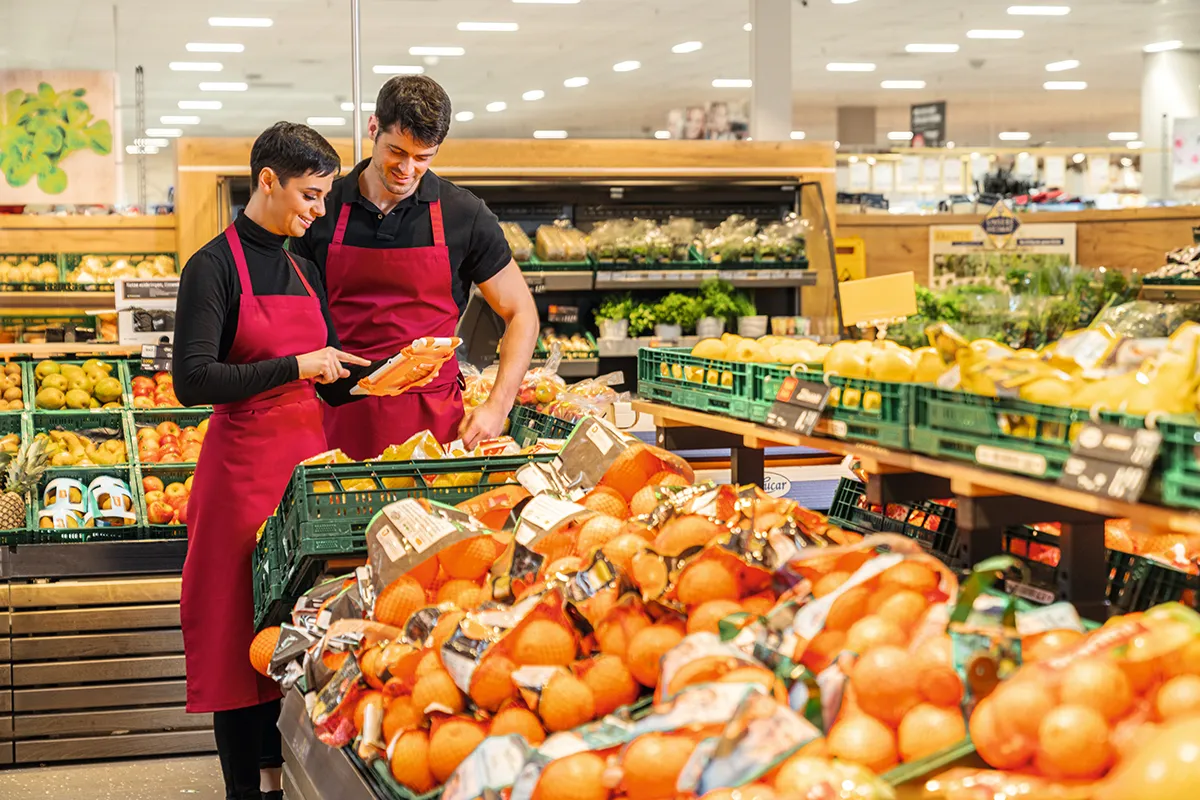
The world of food safety is changing rapidly, but not everyone is keeping pace with the digital shift. Els De Ridder, Business Unit Manager Food at Testo België, sees this every day. “There’s a lot of willingness, but putting it into practice can be challenging. In a sector where hygiene is crucial, using tablets or smartphones is far from standard practice.”
The German manufacturer of measurement and monitoring systems, Testo has been active in a wide range of sectors for decades, from HVAC and thermography to emissions measurement and pharmaceuticals. Around a year and a half ago, the company was reorganised internally into specialised business units.
From HVAC to food: a focus on specialisation
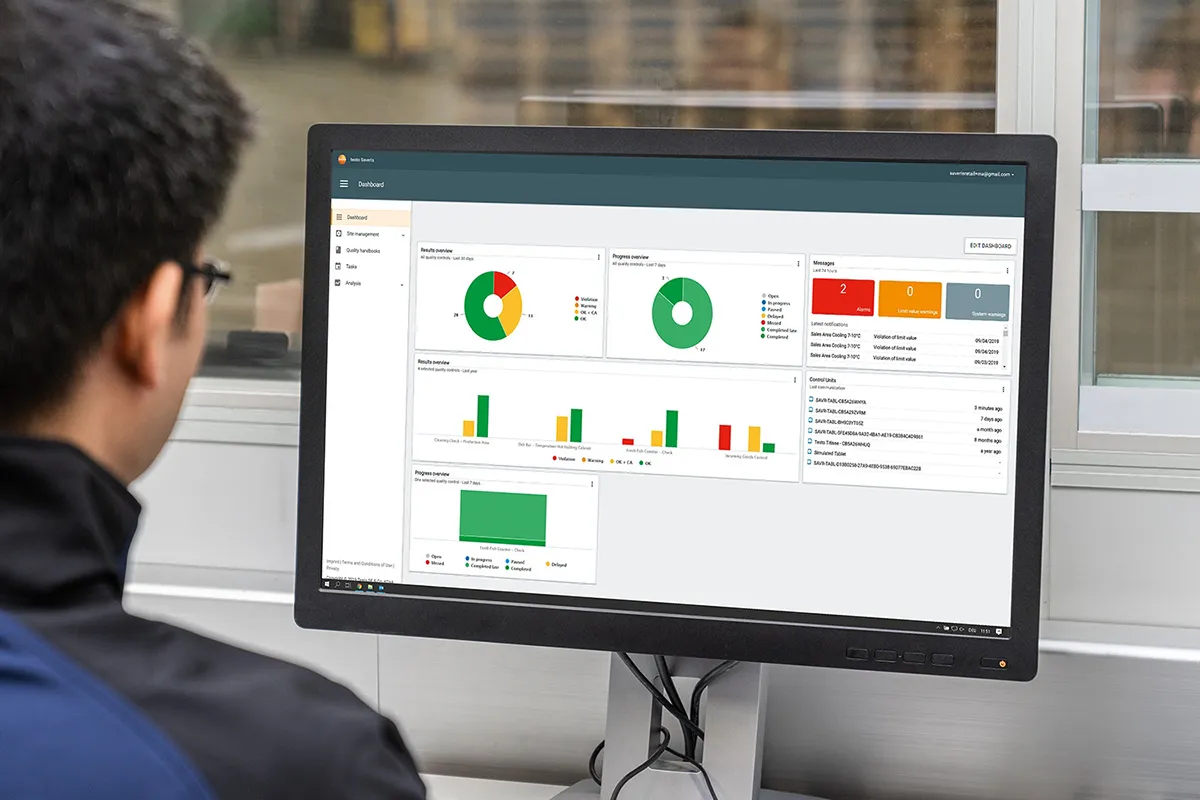
“We wanted to tailor our expertise more closely to the needs of each market,” explains De Ridder. “For the food sector, that means focusing on measuring instruments, data loggers and digital solutions specifically designed for food safety and retail.” The food division is built around three main pillars: thermometers, data loggers and the comprehensive digital solution Testo Food Solutions. The system makes it possible to centralise measurements and tasks across different locations. “A quality manager responsible for several branches no longer has to visit each one to check everything. The dashboard gives them a digital overview of what is happening, from temperature readings to cleaning tasks,” says De Ridder.
From paper to digital, one step at a time
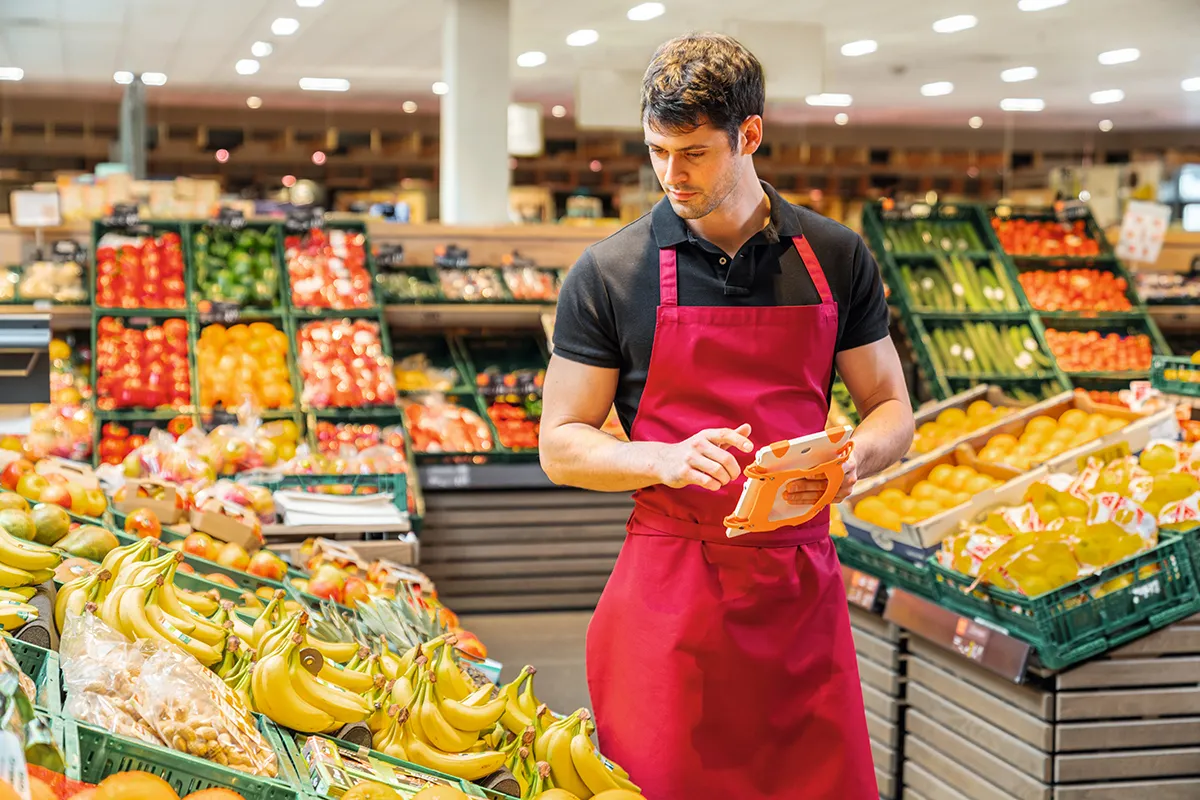
Digitalisation is also a hot topic in the food industry, although putting it into practice has proved more complex than expected. “For example, we have a Smart App that lets you transfer measurements wirelessly and generate reports,” says De Ridder. “Even so, we’re still seeing some reluctance. Tablets and smartphones are often unwelcome in production environments, and that has everything to do with hygiene.” In clean rooms, where everything is made of stainless steel and any contamination must be avoided, there is simply no place for extra devices. “That may work in sandwich shops or retail, but in food processing businesses it’s unthinkable for someone to pull out their phone while handling food,” she says with a smile. “It’s a justifiable concern, but it does slow the move towards digitalisation.” Some interpretations of HACCP legislation are also wary of external devices. “That has to do with the origins of the system,” De Ridder explains. “When HACCP was introduced, smartphones didn’t exist. If companies register and label their devices correctly today, there’s no problem, but it remains a sensitive issue.”
Two systems, one philosophy
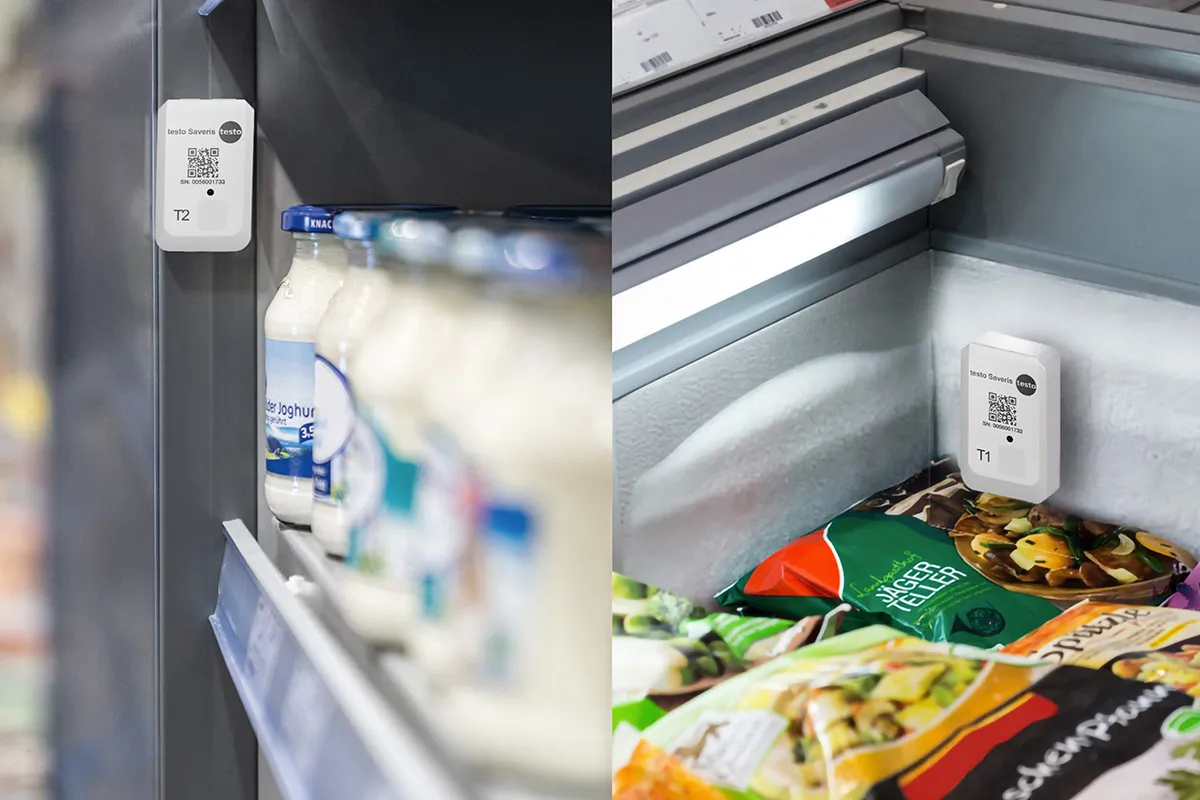
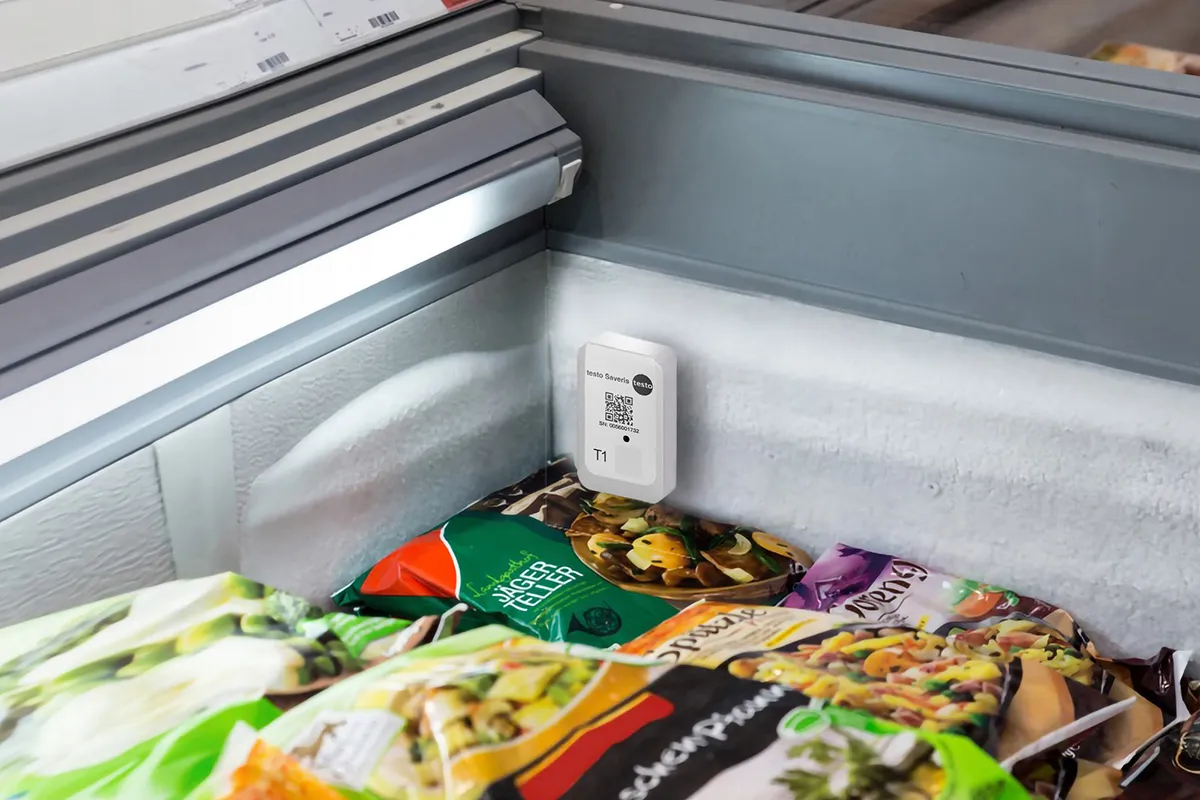
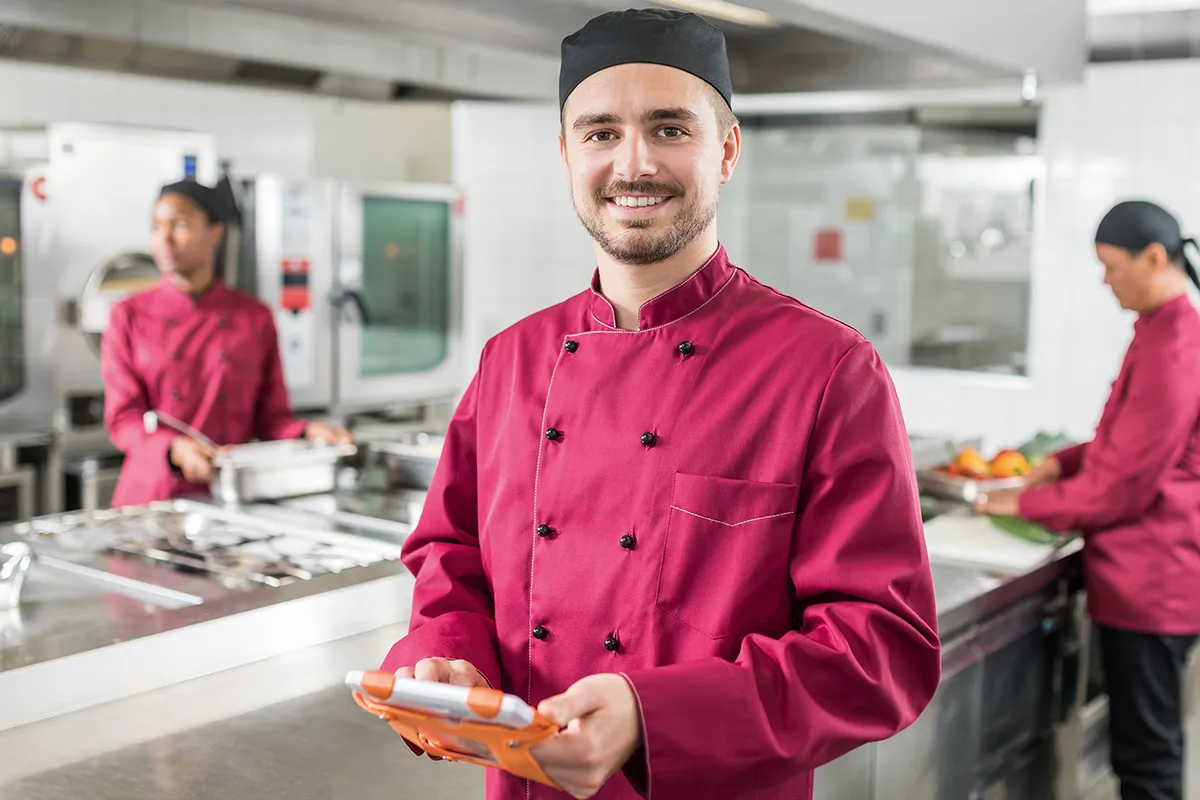
Testo now offers two digital solutions for food safety. One is the Testo 162 monitoring system, designed for independent businesses and smaller operators such as butchers and caterers. “The system continuously monitors temperature and humidity, sends alerts by email or text message, and lets users view measurement data in a web browser, which is particularly useful during an inspection by the FAVV.” Then there is Testo Food Solutions, the integrated platform for chains and multi-site businesses. “It goes far beyond measurement,” says De Ridder. “You can also include checklists, cleaning and maintenance tasks, or pest control. Everything is recorded digitally, with photos and timestamps.” The result is a complete digital quality file that is always up to date and audit-ready.
Listening to the customer
According to De Ridder, what sets Testo apart is not just its technology, but above all how it puts it to use. “We listen first. Every business has different needs. From there, we find the right balance between ease of use, accuracy and regulation,” she says. “And we keep an eye on trends such as AI and predictive data analysis, although for our sector, that still feels a little like the future.”
The future: digitalisation with common sense
De Ridder is optimistic about the future. “Data and data security are becoming increasingly important. We recently developed a new platform that is much more flexible, allowing us to respond more quickly to market needs,” she says. Still, she remains realistic: “The new generation in the food sector is digitally minded, but there is still work to do in raising awareness. Technology must never get in the way of hygiene and safety, it should enhance them.”
Question about this story? Ask your question
Keep following this
Get an email when a new story is published. No account needed.
- ThemeFood safety from design to audit
- SubjectTechnology







