












Oats in the spotlight: a sustainable, fibre-rich powerhouse
Text Hannah VandewieleImage iStock
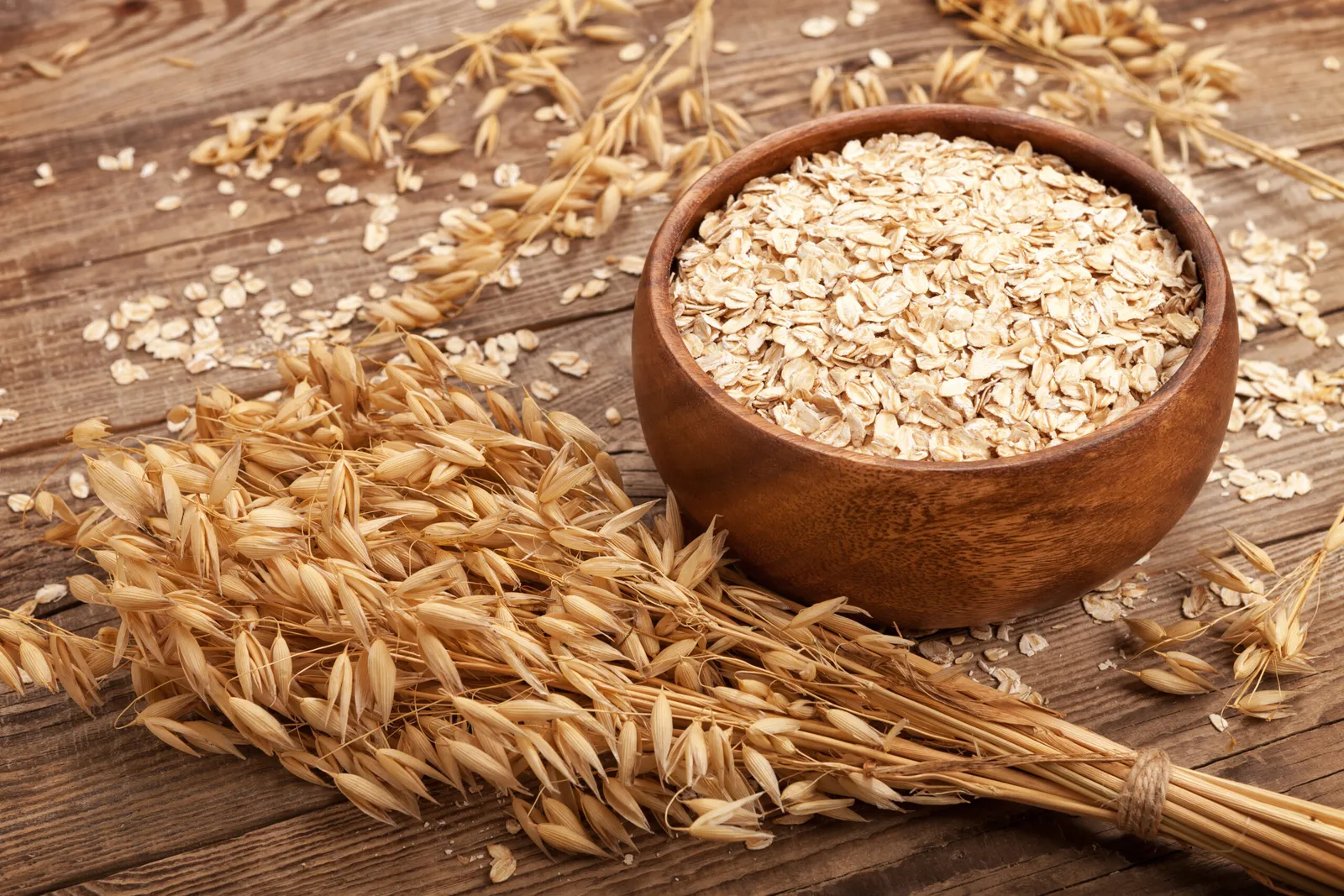
The latest scientific findings on the role of oats in health and nutrition were presented at the Food Oats Conference 2025, organised by the Laboratory of Food Chemistry and Biochemistry (LLCB) at KU Leuven. This year’s theme, ‘Oats for a Diverse, Innovative, and Healthy Global Food System’, highlighted the rapidly growing role of oats as a versatile base ingredient for a wide range of food products.
Oats have considerable untapped potential for producing healthy and sustainable food products. The crop is actively grown particularly in northern European countries, which together account for around 7% of global production (FAO/WHO, 2018). Worldwide, 66% of oats currently go to animal feed (FAO/WHO, 2018). Remarkably, oats are the only cereal whose global production has fallen over the past 50 years, from around 60 million tonnes to just 22 million tonnes. This decline is partly attributable to price pressures, diminishing appeal to farmers and limited storage stability. Oats are also a technically challenging crop to grow, with yields that fluctuate considerably and are sensitive to agronomic practices and climatic conditions.
Eating oats to close the fibre gap
The recommended daily intake of dietary fibre is 25 to 38 g. A higher intake of wholegrains is associated with a 13 to 33% lower risk of chronic diseases such as cardiovascular disease and diabetes. Despite this scientific evidence, a fibre gap persists worldwide. In Europe, average fibre intake is around 20 g per day. The new Belgian dietary recommendations for adults, aimed at preventing chronic diseases, advise consuming 125 g of wholegrain products each day, including oats. Eating oats, which are rich in dietary fibre, mainly β-glucans, can help close this fibre gap. At the conference, the focus was primarily on β-glucans, though the role of arabinoxylans was also rightly raised. Oats contain a smaller proportion of arabinoxylans than wheat or rye, and their arabinoxylans also differ in degree of substitution, esterification and cross-linking. This gives them different technofunctional properties, such as lower water-binding capacity. The conference therefore raised the question of whether further research into oat arabinoxylans could yield new insights.
Opportunities for the food industry
In January, ScanOats, an industrial research centre in Sweden, submitted a new claim to EFSA, proposing that 1.9 g of oat β-glucans per 30 g of available carbohydrates is the minimum effective dose for reducing the postprandial rise in blood glucose. If approved, this claim could create opportunities for the food industry to develop viable products. Other potential health benefits currently under investigation, but not yet covered by official claims, include the presence of avenanthramides, which may offer cardiovascular benefits, aid muscle recovery and have anti-inflammatory effects. In addition, bioactive peptides from oat proteins may have cholesterol-lowering effects. Oats’ gluten-free nature is also of interest to people with coeliac disease, provided they are strictly separated from wheat, rye and barley.
Conclusion
Oats are an excellent fit for the concept of a planetary health diet, a dietary pattern that promotes the health of both people and the planet. This cereal combines sustainability with nutritional value and offers numerous health-promoting properties. Although oats are already recognised as a valuable contributor to health, further research is needed to realise their full potential. Long-term intervention studies conducted in realistic dietary contexts are essential to provide further evidence on the effects of oats on metabolic health and disease prevention. The role of oats as an optimal plant-based protein source, their impact on digestion and the microbiome, and their suitability for gluten-free diets also warrant further scientific attention. Encouraging higher oat consumption among the wider population would therefore contribute not only to a healthier lifestyle, but also to a more sustainable food system. The conference ended on an enthusiastic note, with a target of 30 kg of oats consumed per person per year.
Adapted from a contribution by Flanders’ Food.
Processing for health: from raw material to food product
The concept of processing for health refers to the deliberate use of specific processing steps to increase the bioavailability of nutrients and optimise nutritional value for consumers. For plant-based products such as oats, fermentation can be a valuable strategy for improving these properties. Plant-based foods present several challenges, including the low solubility and limited digestibility of plant proteins, undesirable aromas, structure and texture, low mineral bioavailability, limited levels of vitamin B12 and the presence of antinutritional factors. To date, kilning oats has been necessary for stability, but this step affects many of the properties of oat components. This raises the question of whether some applications could dispense with kilning and rely on alternative processing steps. Despite their potential, fermented oat products remain very scarce in Belgium today.
Question about this story? Ask your question
Keep following this
Get an email when a new story is published. No account needed.
- ThemeDeveloping new foods
- SubjectTechnology







