












Process simulation makes for a smart investment
Text Valérie CouplezImage Actemium
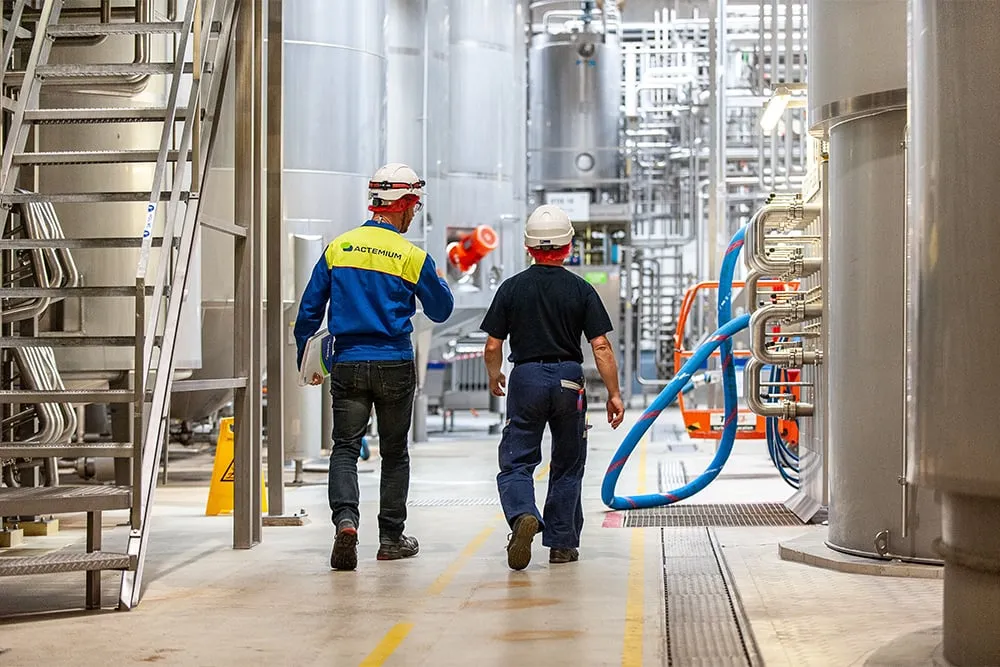
By now, we are all convinced that we need data to take our production to the next level. But what exactly should we do with that data? One promising tool for putting data to work is process simulation. “A model lets you test certain things without having to invest. That saves time and improves efficiency and sustainability, because you can get everything right first time,” says Robin Vandenberghe, Project Engineer at Actemium, summarising the benefits.
The aim of process simulation is to optimise existing or new processes. This is done using an offline model. “That is the key difference from digital twin technology. Digital twins also use data and simulation techniques, but they are connected to the factory live. Digital twins are more useful when you want to give operators information to help them make the right decisions. Offline process simulation is the better choice when you want to build a new line or expand an existing one.” A good example is a food company looking to expand its tank farm. Process simulation can accurately predict the optimum number of tanks and their capacity based on expected growth.

Close collaboration with the customer
Actemium uses a range of software tools for this purpose. “We choose the right one based on what the customer wants to achieve. It is important to define clearly in advance what the simulation should deliver and what insights we want to gain. What matters? Which parameters must we include? We use those requirements to build a bespoke model.” Simulation can focus on a single aspect of a process, or on a plant that brings together several processes. Analyses can look at the smallest details or stay closer to the surface. This affects the cost and ROI of the investment. According to Vandenberghe, close collaboration is key. “It helps us reach the right conclusions and makes the model easy to manage afterwards. It does not always have to be extensive to deliver significant added value.”
Get started with a small dataset
Does a company need to collect vast amounts of data before it can start using simulation? Vandenberghe immediately dismisses the idea: “You can get started with a relatively small dataset, for example to optimise the operation of a CIP system. But the data used in the model simply has to be accurate. Garbage in, garbage out.” However, sufficient preparation time is needed. “A model is only useful if it comes as close as possible to the reality of the process. It usually takes a few adjustments to make it fully accurate and reliable. If you are thinking about expanding today, we would be happy to join the discussion early. The greatest gains can be made during the design phase, by getting the sizing right. If you wait until the tanks are about to be installed, there is less scope for optimisation.”
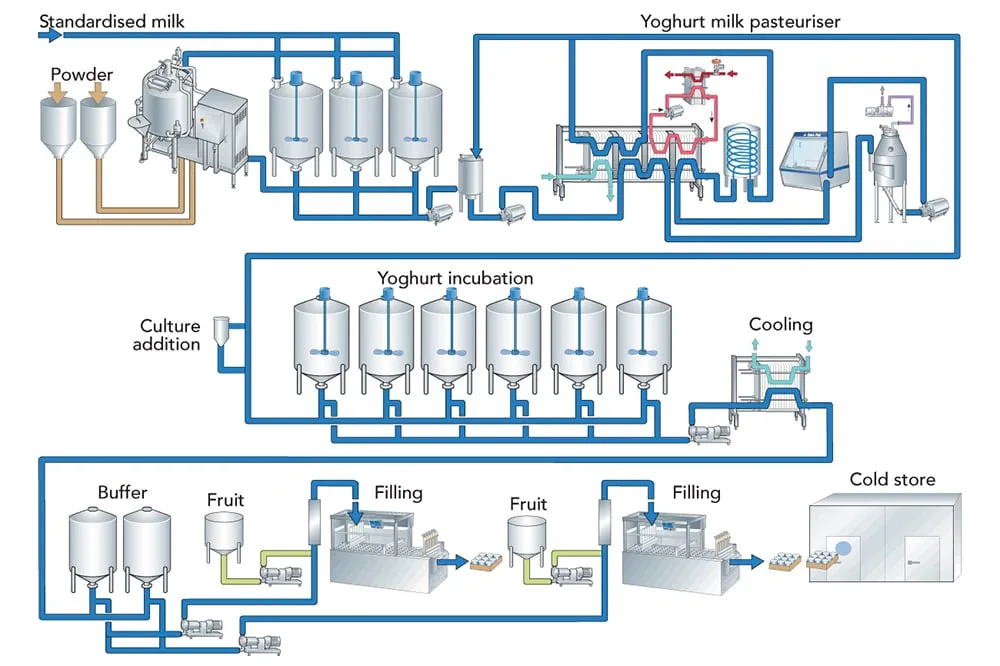
Process expertise for the right insights
What Actemium brings to the table is the knowledge and experience within the company. “There is no off-the-shelf simulation software package that contains a perfect replica of your factory. So you need to understand how processes work if you want to simulate them and make well-founded decisions. We know where to find data in a factory, how to extract it and how to process it into clear insights, without our customers needing to delve into the code or have software expertise. In the future, simulation, like data in general, will go from being nice to have to must-have, simply because it can deliver so much.”
Een zakelijke vraag aan Actemium België? Get in touch
Companies in this story
Keep following this
Get an email when a new story is published. No account needed.
- SubjectTechnology
- CompanyActemium België







