












Product coding plays an important role in the dairy industry
Text Johan DebaereImage Markem-Imaje
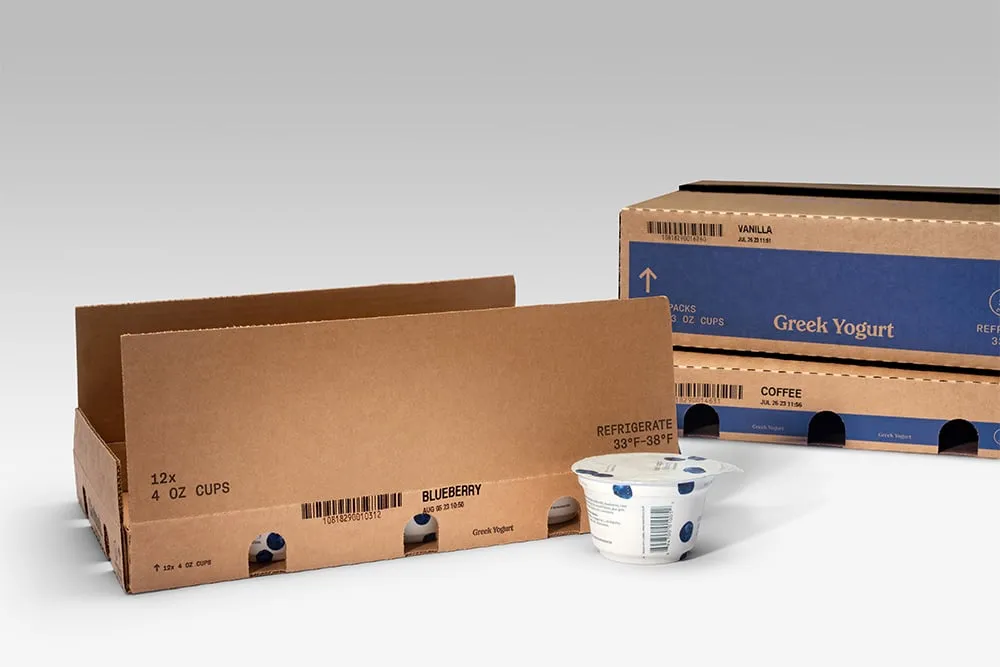
The Benelux dairy industry is performing well, but still faces some major challenges. These include declining milk consumption and predictions that the number of dairy farms will fall significantly by 2030 as the industry consolidates into larger groups, alongside a shortage of skilled workers and lower profitability. Growing protests against agricultural policy are a clear sign of the situation, but what can dairy companies do to keep growing, even during turbulent economic times? Investing in innovation is becoming increasingly important, including when it comes to product packaging and coding.
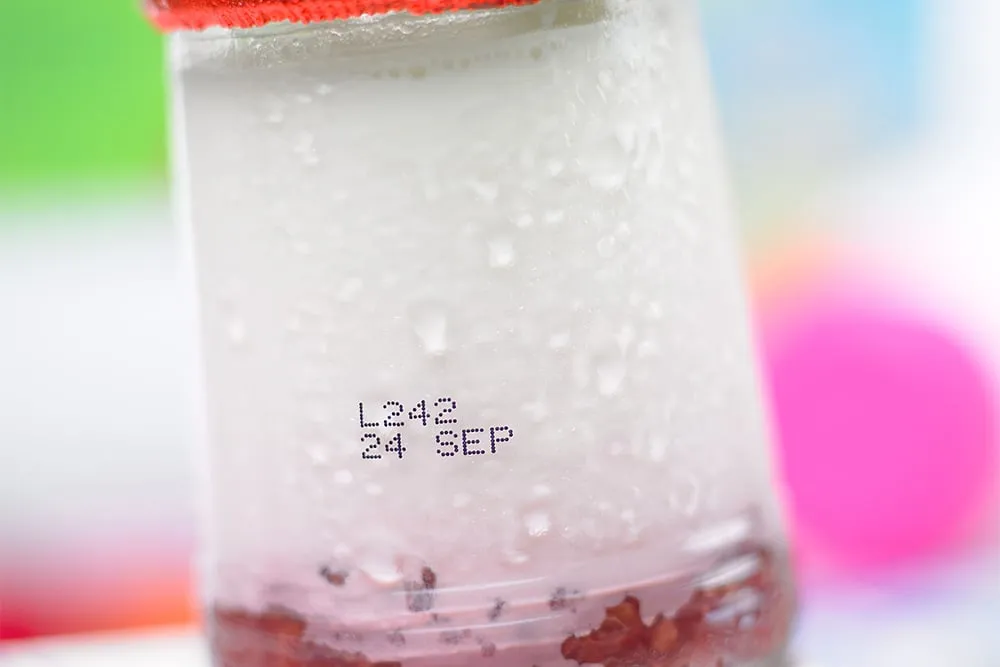
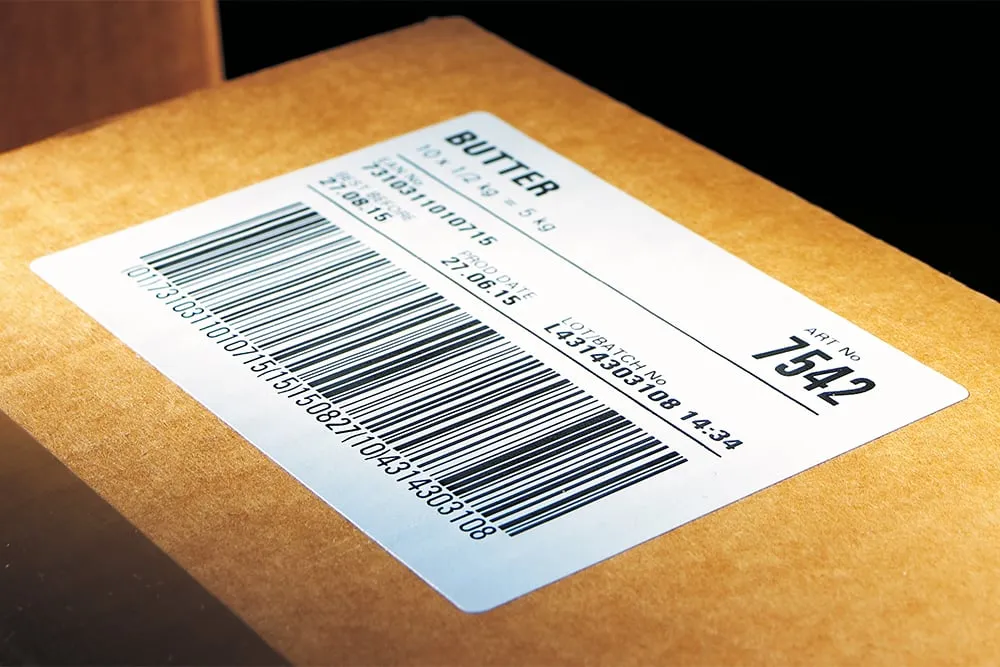
Dairy companies in the Benelux respond quickly to changes in consumer tastes. To do so, however, they also need to be able to switch production quickly and flexibly, and increase capacity when necessary. Manufacturers must ensure their facilities can be configured efficiently for new product types and their packaging. It is therefore essential to use coding and printing technology that can be adapted quickly or is versatile enough to code different substrates. One example is a barcode that adheres exceptionally well to a range of materials, such as cardboard boxes, trays and shrink film. The result is exceptionally clear, durable barcodes. Dairy companies looking to ensure that both existing and new products are marked safely and reliably with GS1 (UCC-EAN)-compliant barcodes, and can be tracked at every stage of the supply chain, can also benefit from options such as Markem-Imaje’s Print and Apply 2000 Series for pallet coding. This technology delivers reliable results, even in demanding production environments.
Product quality comes first
Dairy companies in the Benelux need to adapt to market trends and changes in legislation while maintaining exceptional quality control. Reviewing the processes they use can pay dividends here too. Highly perishable products must remain safe and in peak condition, but companies also need a traceability system that can manage large volumes of products accurately and at high speed. If problems arise, the system must also enable them to recall the products concerned. Coding and printing solutions such as those from Markem-Imaje provide extensive traceability while also streamlining operations within the company, for example by reducing the need for operator intervention. Markem-Imaje’s continuous inkjet (CIJ) printers have a printhead that requires little intervention. This ensures high-quality coding and increases productivity. By using more advanced solutions, companies can improve product quality and operational performance while preserving their brand’s positive reputation.
More sustainable production
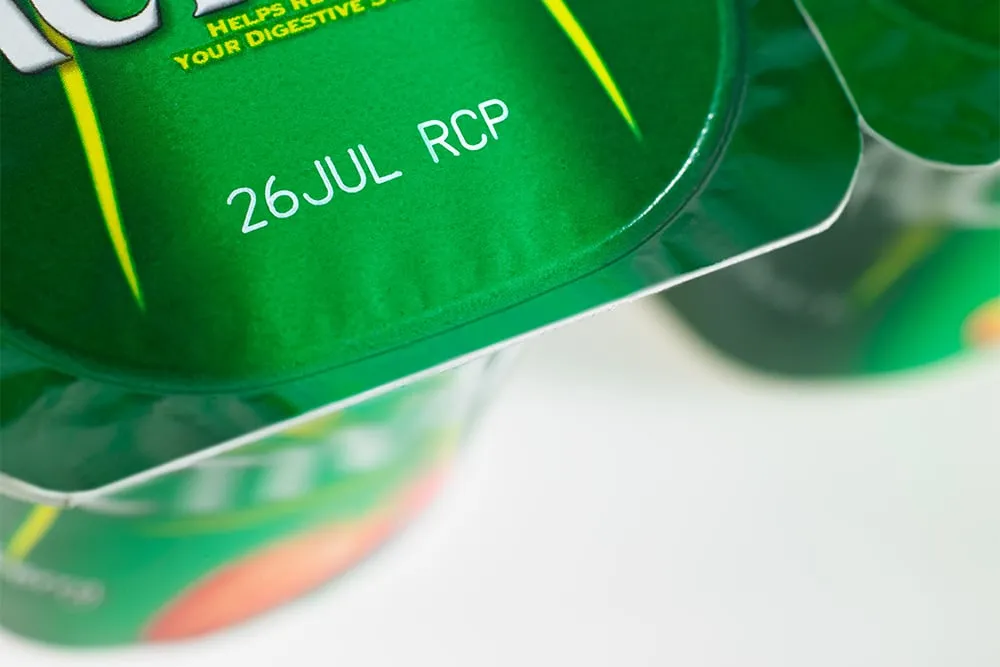
Dairy companies must also adapt their production processes to reduce their environmental impact. This can be achieved without compromising productivity, and output can even be increased. The experience of Yörükoğlu is one example. To improve its approach to sustainability, Turkey’s largest producer of milk, yoghurt, cheese, ice cream and other products replaced MEK inks with Markem-Imaje’s EB588 ink. This MEK-free alternative generates 40% fewer VOCs, and the need for consumables fell by 30 to 40% when Yörükoğlu installed three Markem-Imaje CIJ printers to test the MEK-free inks. The company also found that the performance and speed of the MEK-free ink matched, and even surpassed, those of traditional alternatives. Töpfer, one of Germany’s leading producers of organic milk-based baby food and certified natural cosmetics, also reduced the environmental impact of its packaging by choosing Markem-Imaje’s marking and coding systems and CoLOS® software. For the first time, it also achieved accurate traceability and verification capabilities. Using CIJ technology to print directly onto recyclable plastic packaging also reduces the volume of paper waste. CoLOS® software helps tackle one of the dairy industry’s biggest challenges: the shortage of skilled workers. The package can automate packaging-line verification and many other processes. The software is also compatible with all major MES and ERP systems.
Leading the way globally
The Benelux dairy industry is already setting an example for the rest of the world. This is evident in its broader contribution to the global food market, as well as in small-scale but significant changes. These companies are also making a deliberate choice to take a proactive, innovative approach to coding and printing, helping them remain at the forefront.
A business enquiry for Markem-Imaje NV? Get in touch
Companies in this story
Keep following this
Get an email when a new story is published. No account needed.
- ThemePackaging and product traceability
- SubjectTechnology
- CompanyMarkem-Imaje NV







