












Ready for the arrival of 2D codes
Text Valérie CouplezImage SICK
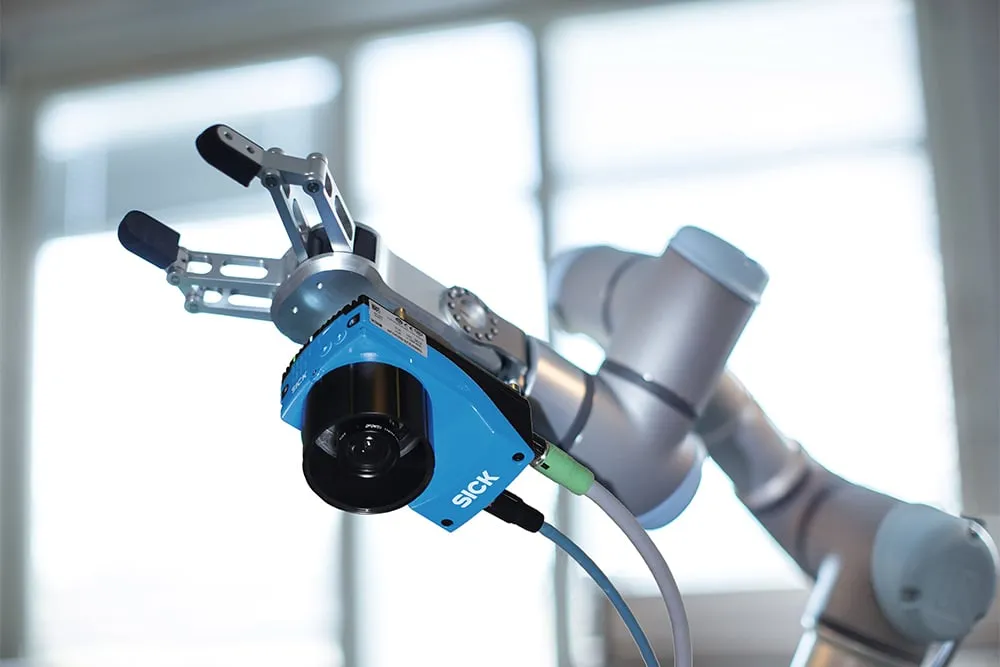
From 2027, retailers will need to be able to read 2D codes as well as traditional 1D barcodes. This is a positive development, as it gives the food industry the opportunity to display more information in less space. To read all these codes, we are seeing a shift from traditional laser scanners to cameras. But the specialists remain the same: the SICK team.
The barcode celebrates its 75th anniversary in October. That was when the patent was filed, at least. It would be another 25 years before it was used in industrial applications (1974). Since then, however, barcodes have secured their place in history. Around the world, some six billion barcodes are scanned in shops every day. Yet they seem to be reaching their limits. “The industry is looking to convey more information in less space,” says Marcel de Jonge of SICK. “Barcodes also require sufficient contrast and minimum dimensions. That left marketing departments with little flexibility and made it impossible to code directly onto packaging material. 2D codes need half the space to convey the same message.”
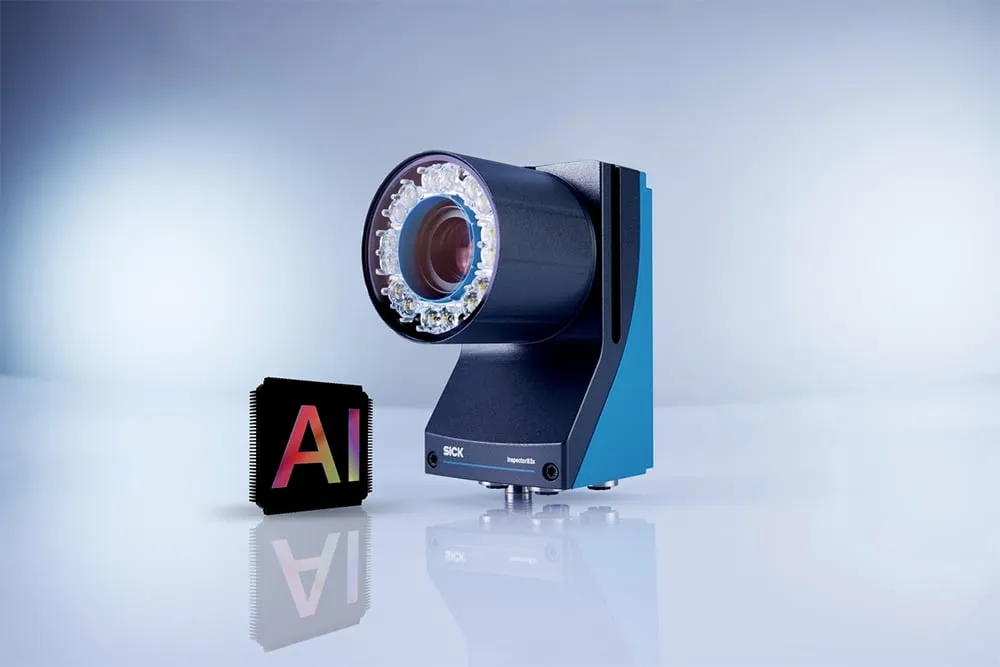
GS1 Digital Link
Although alternatives such as Data Matrix and QR codes have existed for decades, the landscape is only now beginning to visibly change. “It’s all down to legislation. In February, the international organisation GS1 ushered in a new era. GS1 Digital Link comes into effect in 2027, and retailers will be required to read 2D codes. Barcodes and 2D codes can coexist perfectly well, but the higher information density will bring about a shift.” GS1 Digital Link is a simple, standards-based structure for encoding data in QR codes. The code can contain information for retailers, such as country of origin and manufacturer, as well as information for consumers, including ingredients, allergens, Eco-Score and Nutri-Score. “This applies not only to packaging labels. GS1 has also decided to allow 2D codes for logistics units (SSCCs),” de Jonge adds.
Replacing laser scanners with cameras
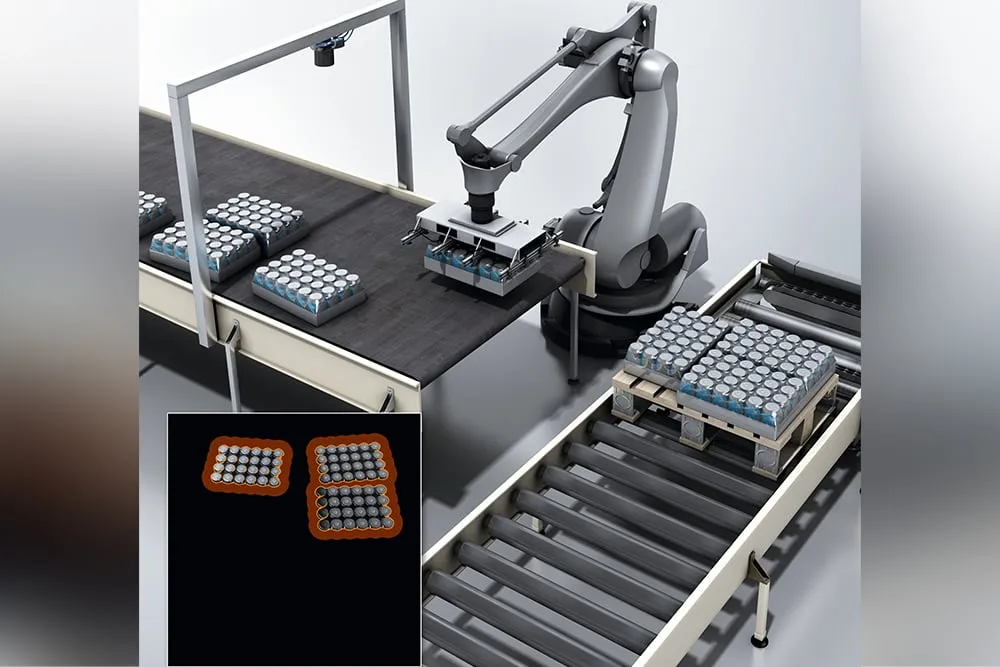
This means traditional laser scanners used to read all those barcodes will have to make way for cameras. “Otherwise, you would need too many devices to read 2D codes accurately under all conditions. Space is not always available in the food industry, and the cost would also rise.” SICK, a long-standing leader in product identification, has of course been working hard in recent years to become the preferred supplier to industrial customers for reading 2D codes as well. “We’ve had cameras in our range for more than fifteen years. They can capture the codes in a 360° image. So you need a camera where necessary, and it also offers a performance advantage over laser scanners. Images can be analysed immediately or stored for traceability. And it is a few percentage points better at decoding poor-quality codes or reading them in difficult conditions.”
Attention to positioning and lighting
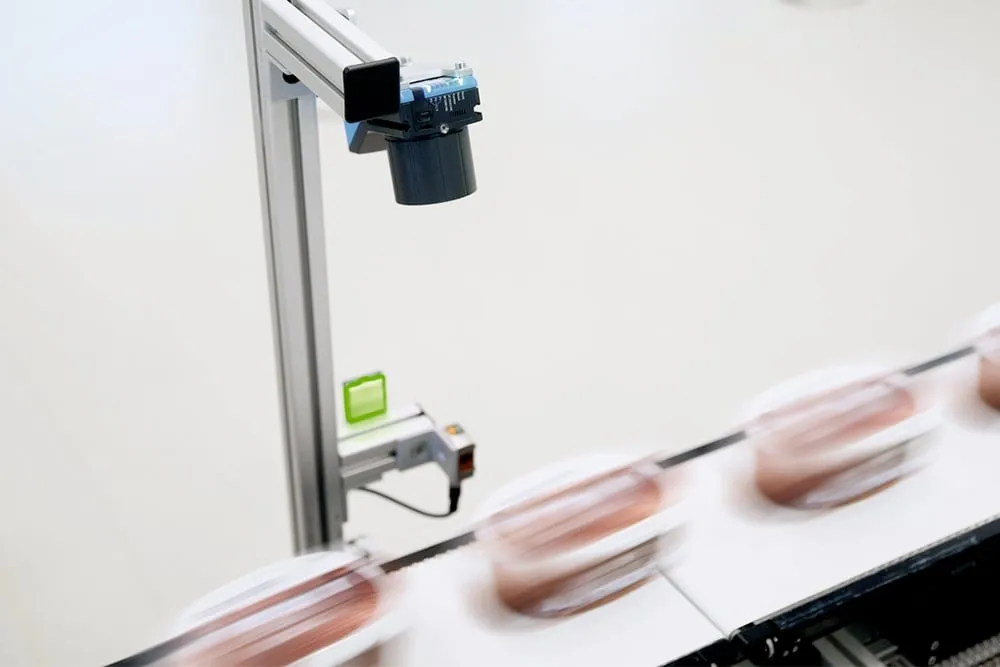
As with laser scanners, SICK’s experts are well placed to guide you through the transition from 1D to 2D codes. “There’s quite a lot to consider,” says de Jonge, speaking from experience. “Positioning and lighting are crucial for a camera. We need to make sure it gets enough light, without disturbing operators working nearby. White light can be quite bright, but we have the necessary accessories to find workable solutions for everyone.” The second point to consider is camera selection. The right camera must be selected to suit the application and the required reading range. SICK’s expertise is valuable here too. “Alongside our extensive machine vision range, which includes products for quality control, we have developed cameras specifically for coding applications. They feature a degree of intelligence that enables them to reconstruct codes, identify logos, for example those for hazardous products, and analyse images. And they can still read traditional barcodes too.”
Question about this story? Ask your question
Keep following this
Get an email when a new story is published. No account needed.
- ThemePackaging and product traceability
- SubjectTechnology







