












The added value of modern sensors
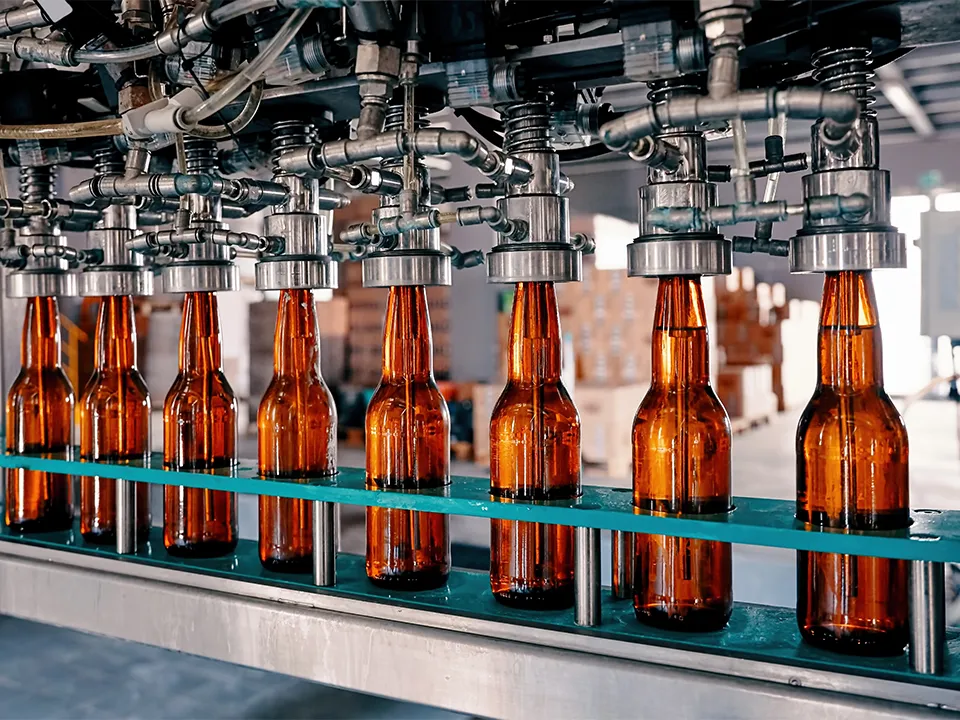
The food industry is tough on components such as sensors. To be used in production areas, they need more than just a hygienic design.
They are also exposed to challenging conditions, including high and low temperatures, dust, and high-temperature, high-pressure cleaning processes. Sensors have therefore been built to withstand a lot for years, but today’s best-performing sensors offer far more added value than that. Here’s an introduction.
Sensors are essential for automating production processes in the food industry, and food companies understand this well. They are therefore present in large numbers throughout every stage of production. However, the technology has moved on, and today sensors come with a host of additional features that can make your life much easier. So, if a sensor breaks down in your production line, take a moment to consider whether you could replace it with a smarter one.
From analogue to digital communication
One striking feature of today’s sensors is their digital communication. This is increasingly handled via IO-Link, although that is not always necessary. The familiar 4 … 20 mA analogue standard, which has served reliably for years, does not have to disappear. A digital signal can be added on top. Digital communication brings several benefits that are invaluable in a modern production environment. First, cable interference no longer affects the transmission of process values. Second, it makes communication with higher-level systems, such as ERP or the cloud, and back again, easier. This is crucial for anyone looking to create a transparent production environment. Third, ease of use is also worth highlighting. Sensors can be commissioned, parameterised or calibrated remotely and digitally. Is a sensor due for replacement? Its configuration can be transferred straight to the new sensor. Digital makes it child’s play.
More diagnostics on board
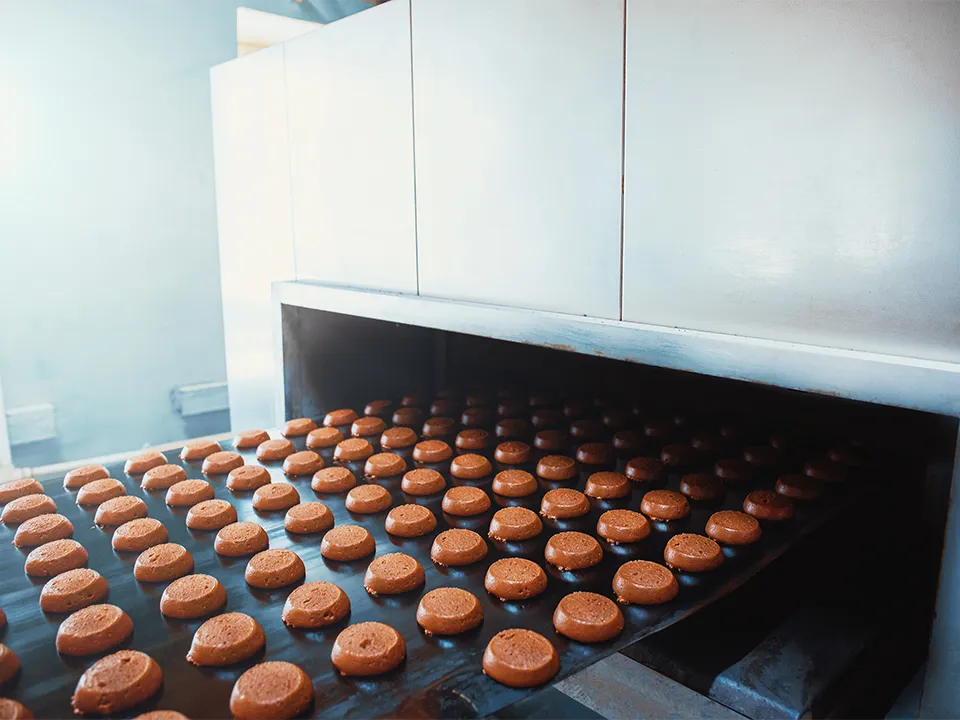
A second differentiating feature is the availability of additional diagnostic functions. The less downtime your production experiences, the higher your output will be. When components such as sensors can indicate for themselves when they are no longer working properly, it is easier to pick out the faulty one from the haystack of sensors across a food production facility. You know immediately which sensor needs replacing.
Multiple process values
More sensors, more data? That no longer has to be the case. Sensors are no longer the ‘one-trick ponies’ of the past. Today, they can do several things at once. A pressure sensor that also measures temperature automatically can compensate for and correct the effect temperature may have on the pressure reading. Or a temperature sensor can use two different measurement principles in a single housing, for example PT1000 and NTC thermistor, operating independently of one another. This means both signals can be evaluated. Miniaturisation trends have made this perfectly possible. In future, you may be able to manage with fewer components and therefore less cabling, while also saving on the cost of external calibration.
Pushing boundaries
Finally, while the measurement principles used in sensors have largely remained the same, the technology continues to improve. Many sensors can now provide the exact process value instead of just an on or off signal, giving you a clearer picture of your production. There is also continuous work to reduce the impact of environmental conditions, such as dust, temperature and cleaning processes, so that you can get a reliable reading anytime, anywhere. And thanks to improved communication capabilities, even remote silos can transmit their readings to your company network or the cloud.
Question about this story? Ask your question
Keep following this
Get an email when a new story is published. No account needed.
- ThemeSmart production with data
- SubjectTechnology







