












The right quality in your product and process, every time
Text Valérie CouplezImage Endress+Hauser
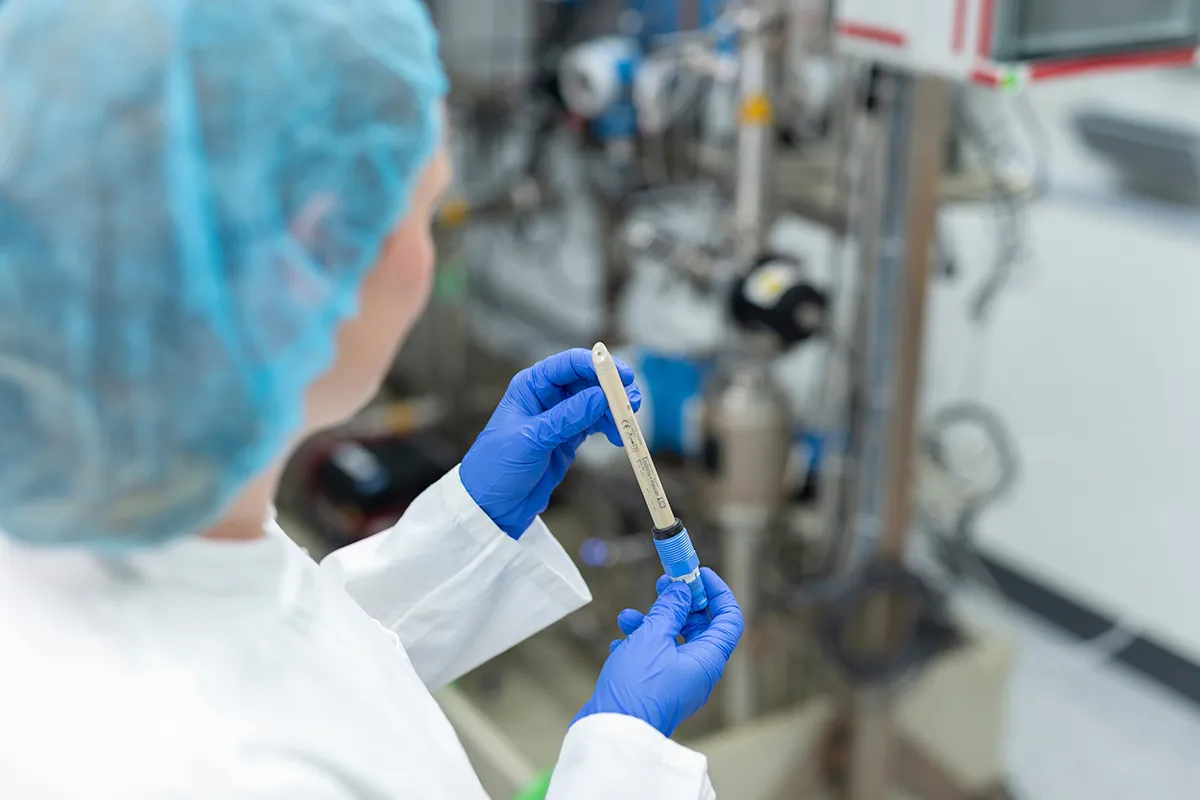
Pressure, level, temperature and flow sensors … they keep your process running smoothly. But did you know you can also monitor the quality of your products and processes in-line? Especially if you choose Endress+Hauser. The Swiss specialist has a particularly broad product range. This article focuses on liquid analysis and how it can contribute to improved quality.
“Analysis is a growing market,” says Wouter Vandevyver, Industry Manager for F&B. “This is particularly true in the food industry, where natural ingredients are used. Even if you always follow the same recipe, the end result can vary because of small differences in the raw materials. If you want to maintain quality, you need to measure. The same applies to your process: for everything to run efficiently and economically, liquids must remain within specification.”
The shift to in-line measurement
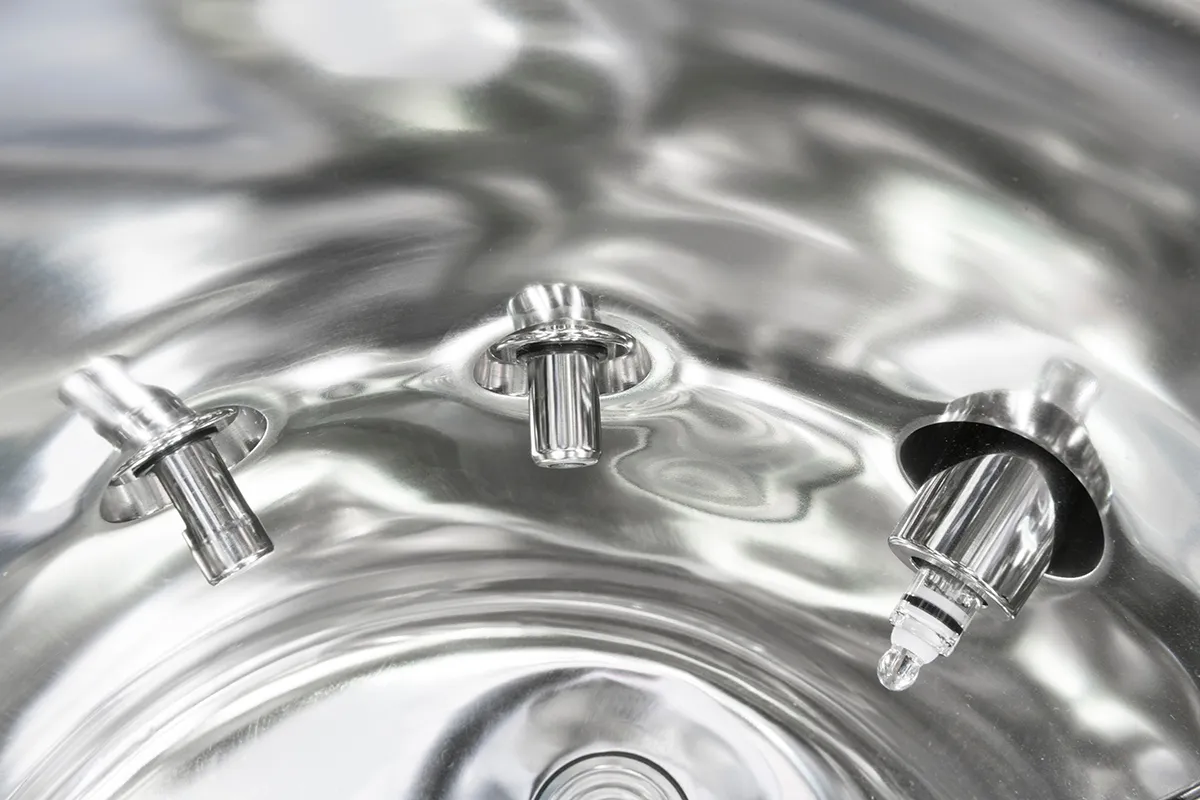
Traditionally, this is done by taking samples during production, followed by extensive laboratory analysis. “There are two caveats. First, sampling must be carried out correctly, with no risk of contamination. Otherwise, there is a risk of sedimentation, crystallisation or phase separation. Second, laboratory analysis takes time and is carried out under controlled conditions that differ from the production environment. By the time any problems are detected and reported back, a lot of product may already have been lost.” A quiet revolution in quality analysis has taken place over the past twenty years, thanks to technological advances. “The introduction of the Memosens sensor set a lot in motion. It became possible to monitor quality parameters easily in-line and in real time,” Vandevyver continues.
Improved quality and availability
With the Memosens protocol, Endress+Hauser was the first to pioneer a digital measuring signal. Product Manager Liquid Analysis Axelle D’Hoore says: “By switching from analogue measurements, such as those taken with a conventional pH probe, to the Memosens version, you eliminate problems such as cable kinks, moisture ingress and corrosion. The technology also means you can calibrate in advance in the laboratory. This improves measurement quality, but at least as importantly, it means the measurement can be shared by everyone in the process. This also increases production availability.” The result is reliable measurements. “When the pH value in the process changes, you can respond quickly, for example by adding an acid or a base. That speed of response saves a great deal of money. We offer a wide range of in-line analysis options, but of course certain laboratory instruments, such as a gas chromatograph, remain essential for more in-depth analysis. However, our in-line measurements give you a clear, continuous picture of what is happening to product and process quality.”
Wide product range and specialist expertise
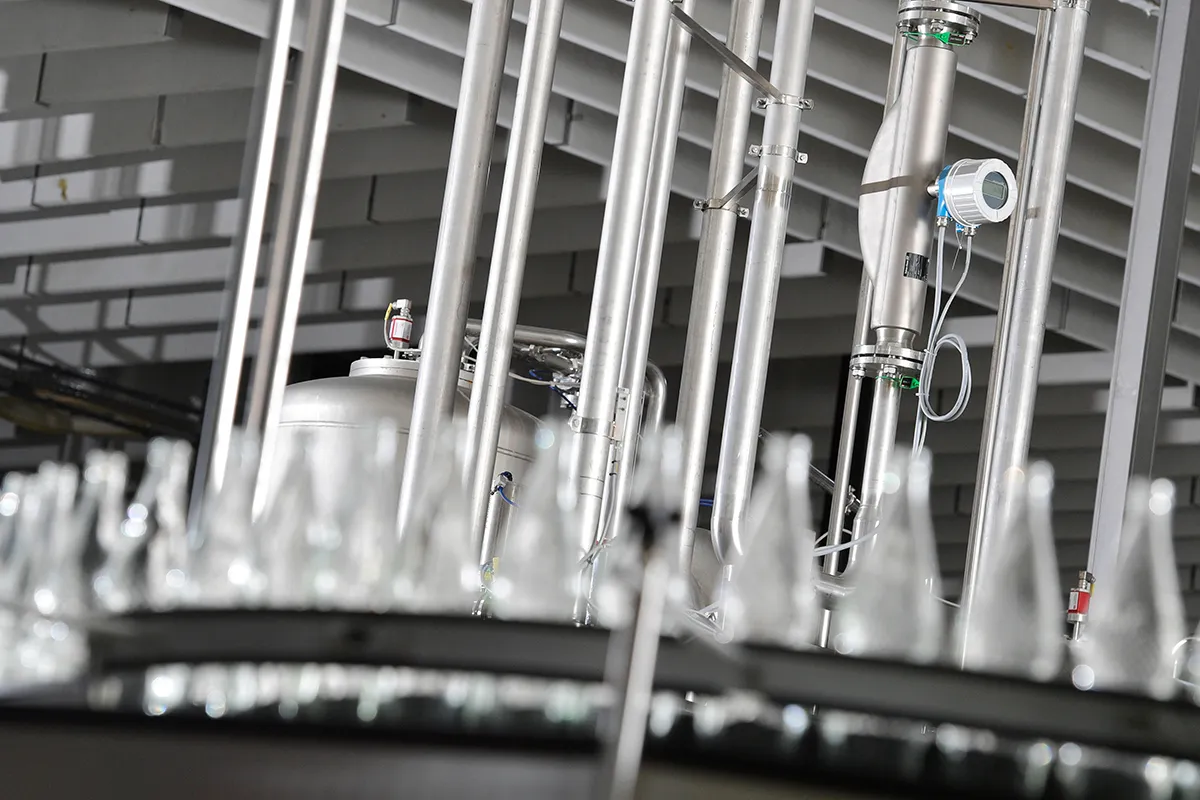
Over the past twenty years, Endress+Hauser’s range of quality analysis products has continued to grow. It recently acquired SICK’s gas analysis division, too. “We are investing heavily in this area because we want to offer our customers the complete picture. That gives them a single point of contact for all their instrumentation. Operators on the shop floor appreciate this approach too, because every instrument is then operated in the same way,” says Vandevyver. Does that make you generalists rather than specialists? “No,” says D’Hoore firmly. “Endress+Hauser’s strength is that every product is backed by a team of product specialists. We also have a service team with extensive expertise to provide customers with the best possible support.”
Phosphate measurements
This technical expertise is also reflected in the instruments themselves, which deliver outstanding performance. Vandevyver gives the example of phosphate measurements, which are important in water treatment, among other applications. “We measure phosphate using a colour reaction. The more phosphate there is, the more intense the colour. The standard method uses yellow, which offers little contrast with wastewater. Our blue method makes it possible to determine the intensity, and therefore the amount of phosphate, more quickly and accurately.” D’Hoore adds another example from water treatment: “Our spectrometer, which has been on the market for a year and a half, takes an optical measurement across the entire UV-VIS spectrum. A conventional analyser takes two hours in the laboratory to determine the organic load. Our spectrometer does it every ten seconds, while also measuring four other parameters: nitrate, spectral absorption coefficient, turbidity and Hazen colour.”
Further digitalisation
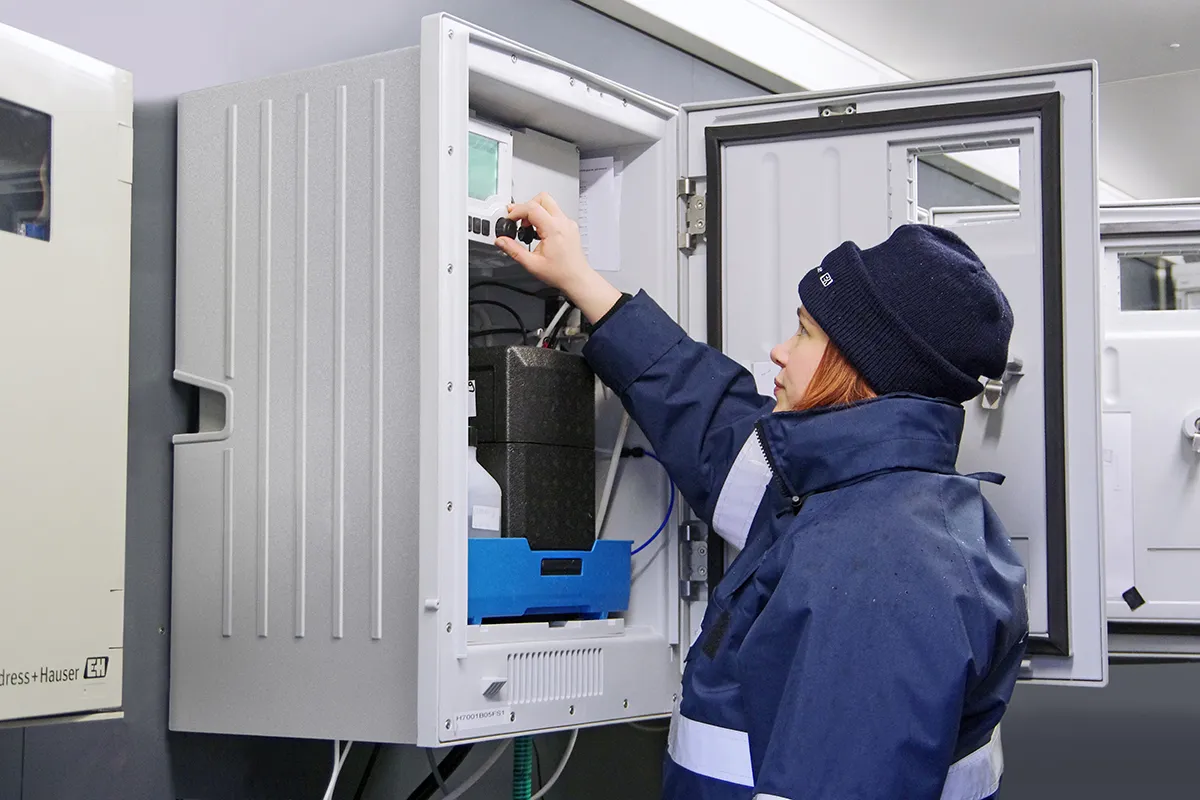
The digital signal was the spark that set quality analysis alight, but Endress+Hauser continues to build on that digital foundation. “Our instruments can be connected to the cloud via the Netilion software. Customers can access a digital twin there, with all the information about their instrument, including certificates. We can also carry out a verification: an electronic check-up of the instrument for greater operational reliability,” explains Vandevyver. Endress+Hauser also offers Liquiline, an advanced transmitter platform for liquid analysis. “You can connect all your measurements to it and monitor the parameters remotely via the Liquiline Assist app,” D’Hoore concludes.
Een zakelijke vraag aan Endress+Hauser NV BeLux? Get in touch
Companies in this story
Keep following this
Get an email when a new story is published. No account needed.
- ThemeSmart production with data
- SubjectTechnology
- CompanyEndress+Hauser NV BeLux







