












Unlocking the power of data
Text and images Valérie Couplez
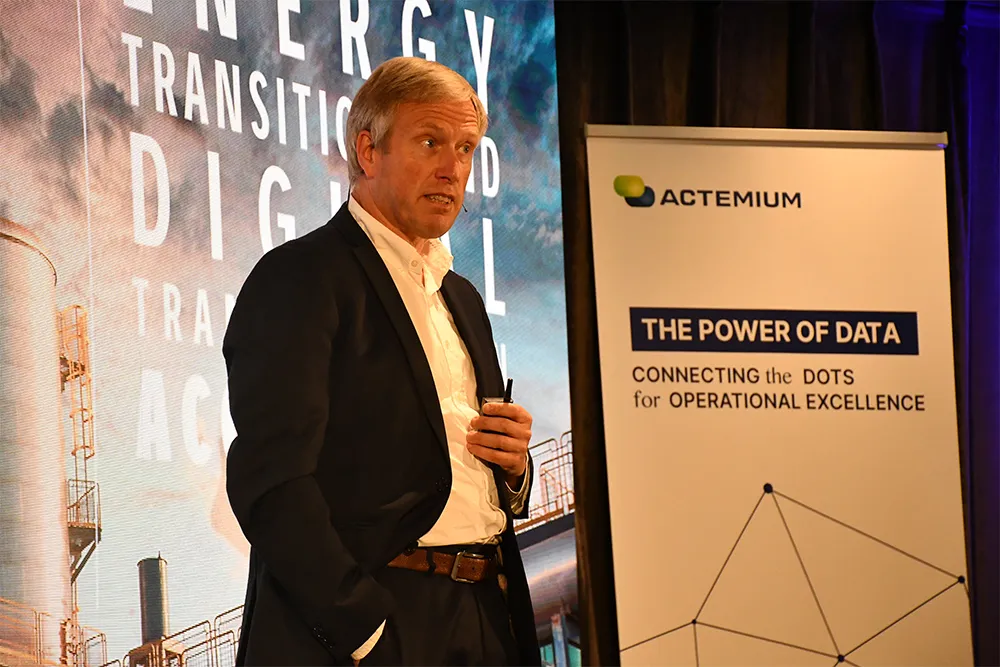
No sustainable factory without digital infrastructure. The energy transition goes hand in hand with digital transformation. A dual challenge for food businesses, but also a double opportunity. After all, factories already have a great deal of data. The bright minds at Actemium help customers unlock it. The event ‘The Power of Data: Connecting the Dots for Operational Excellence’ inspired attendees with ten highly practical smart solutions and what they have already delivered for customers. “Data analytics is not about deploying technology, but about finding the right use case together and selecting the right technology for it,” summarised Actemium CEO Luc Clabout.
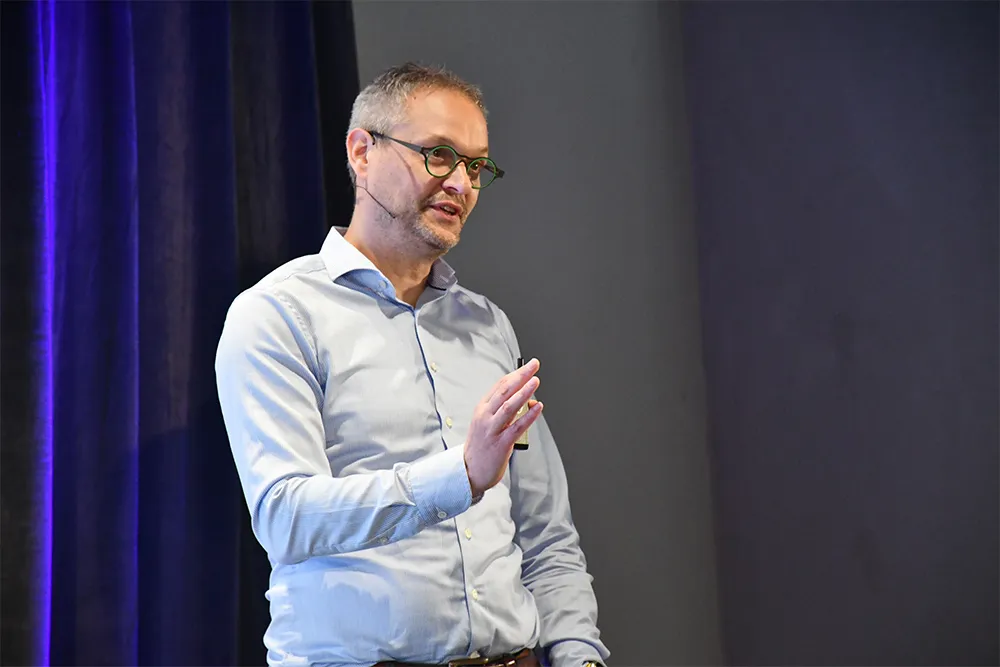
Virtual sensors that map utilities. Detecting production anomalies with a detection model. Simulation software to size your next investment perfectly. Vision technology to monitor your process. Smart routing for AGVs. Data integration for greater efficiency. Production planning based on available energy. Coordinating and optimising agricultural processes. Data insights for perfect dosing. Improving production through advanced data analytics.
Unlocking data from processes
There is no shortage of digital possibilities. But the key is to tap into the right data for each application. And you do not even need huge volumes. So forget big data: smart data will take you much further. That is precisely what sets the Actemium team apart. Drawing on their experience of and with production processes, they know exactly where to find those rich seams of data. With an Actemium twist, they bring them to the surface to devise a tailored digital response to the specific problems and challenges facing customers in the manufacturing industry. The use cases they have delivered prove that it can be done and that it delivers results.
AI is coming
Artificial intelligence will only strengthen that potential in the years ahead. Keynote speaker Prof. Dr. Erik Mannens gave an update on the current state of play. We have already experienced the first big bang in artificial intelligence with ChatGPT last year. But in fact, the field is still in its infancy. It is fair to compare its current position with that of nuclear technology in ’45. To take the next steps, we will need sufficient high-quality data. The more context we add to captured data, the easier and faster it is to process.
Using it smartly and sustainably
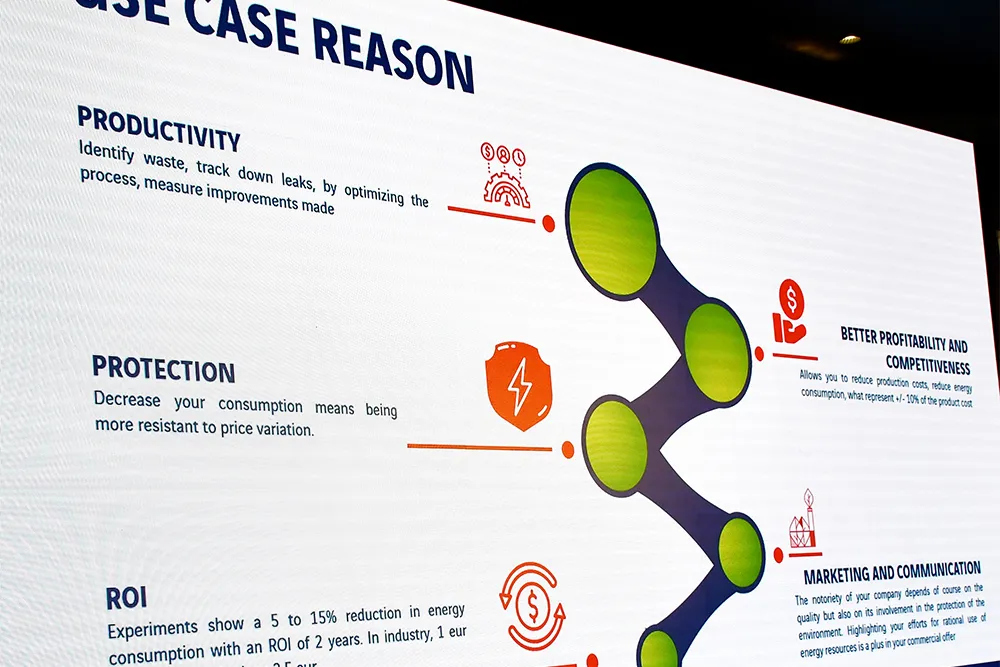
We will also need to learn to use it in a smart, sustainable way. Training all those models consumes a huge amount of energy. To give one example, generating an image with AI from a prompt uses the equivalent of one fully charged iPhone’s worth of energy. Training Google’s next large language model will require 1 TWh of energy, equivalent to what we consume across Belgium in a week. Local processing, or AI on the edge, therefore makes sense. Not just in terms of energy: your expertise is there too. Artificial intelligence is not always necessary, either. If there is a simpler solution, use it.
Building ecosystems
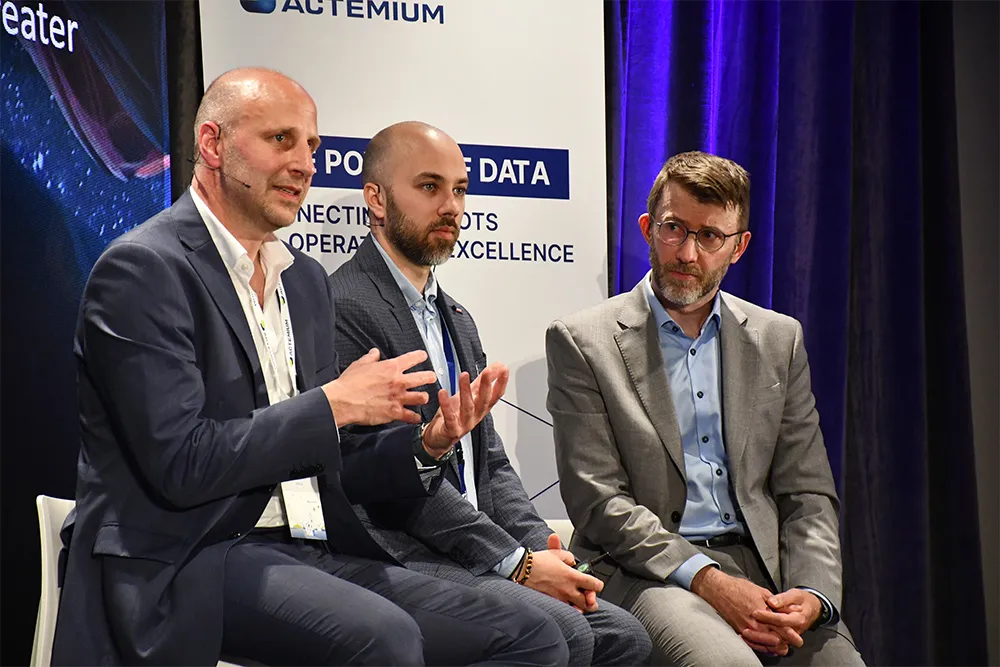
Boris Demarrez (AVEVA) and Bart Demaegdt (Siemens), partners in the event, also shared their views on the role of artificial intelligence in the years ahead. They agreed that the pace at which AI capabilities are evolving will only increase. Managing their industrial data will therefore become a crucial task for businesses. It is one they would be wise to start today rather than tomorrow, by laying their digital foundations. What challenge do I want to tackle? What data will I need? What data do I already have? Start with a small, specific use case to explore the possibilities of AI. And make use of the ecosystem of technology partners and integrators around you to get your foundations right.
Question about this story? Ask your question
Companies in this story
Keep following this
Get an email when a new story is published. No account needed.
- SubjectTechnology
- CompanySiemens







