












What is the best coding technology for your GS1-128 barcodes?
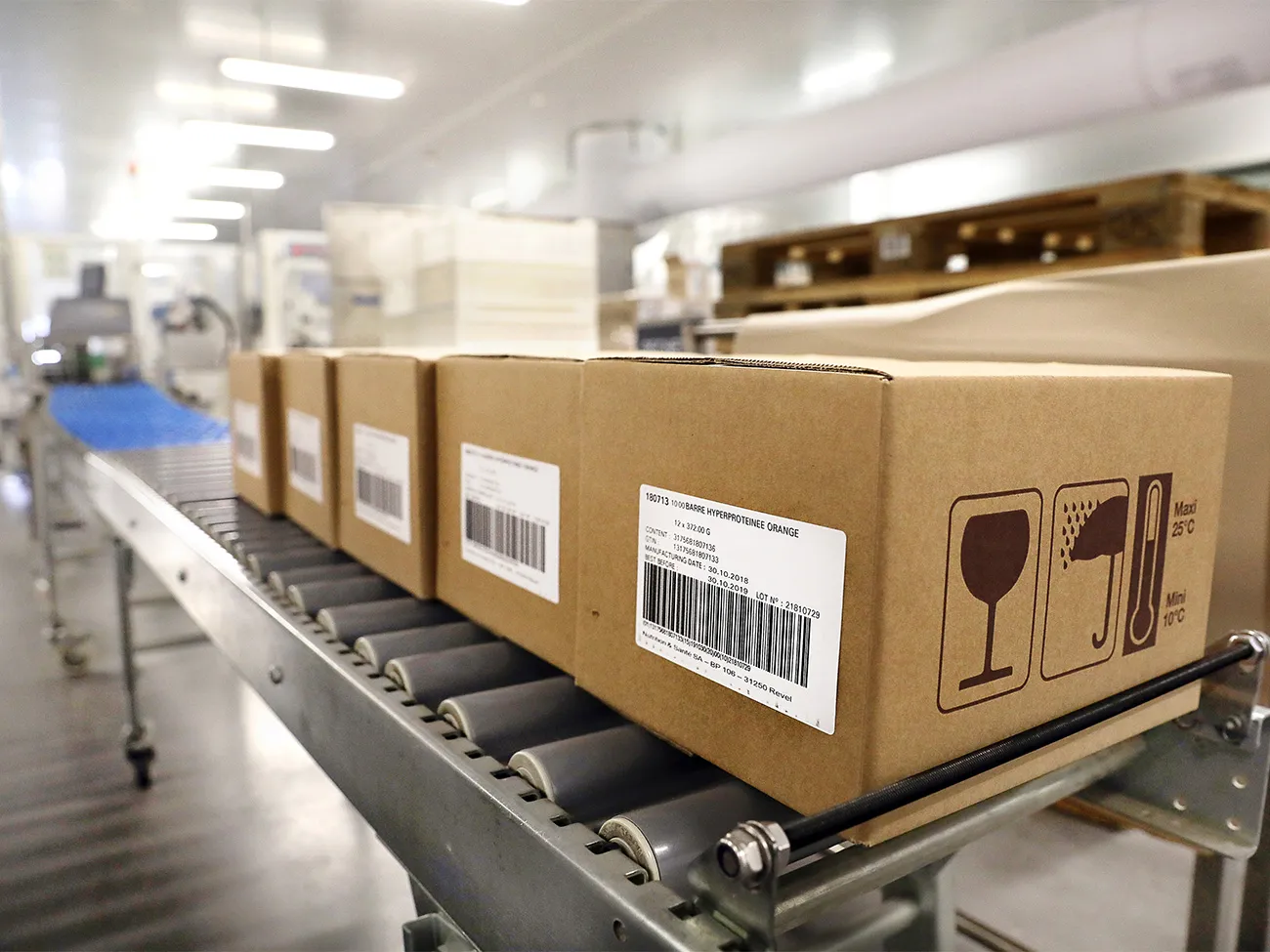
Demand for detailed information on boxes and packaging is growing. This is needed to optimise traceability and increase automation potential. GS1-128 is now the preferred barcode standard and is used in supply chains worldwide. But what is the best coding technology for it?
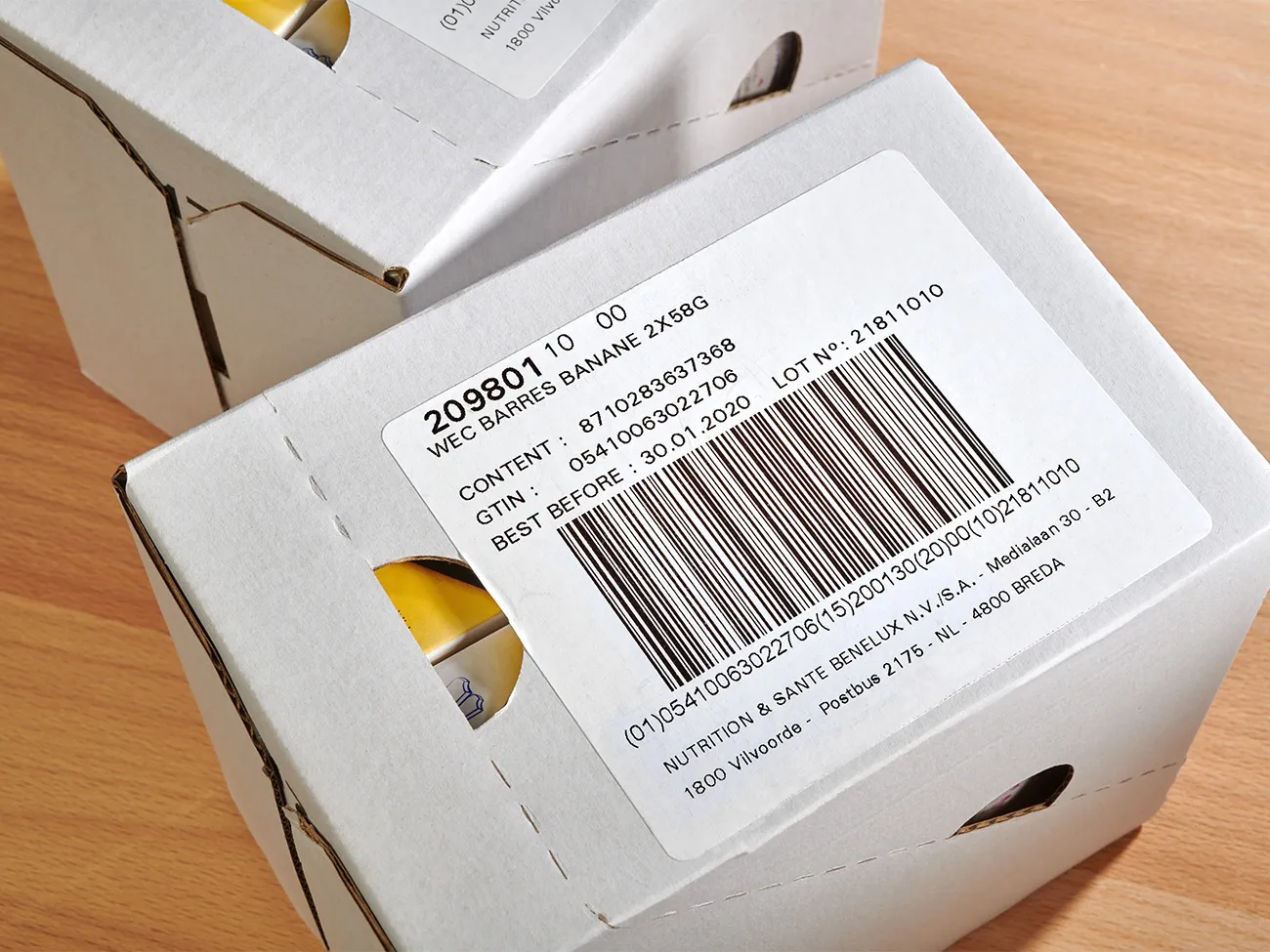
A GS1-128 barcode may look simple, but the use of application identifiers (AI) allows it to encode far more information than any other option. This makes these barcodes much more useful for automated traceability and logistics. There are more than 100 AI options, giving businesses the opportunity to choose those that best suit their products and requirements. Examples include: Global Trade Item Number (GTIN); Global Location Number (GLN); lot / batch / serial number; best-before date / sell-by date; net weight / dimensions; Serial Shipping Container Code (SSCC) …
Meeting GS1-128 standards
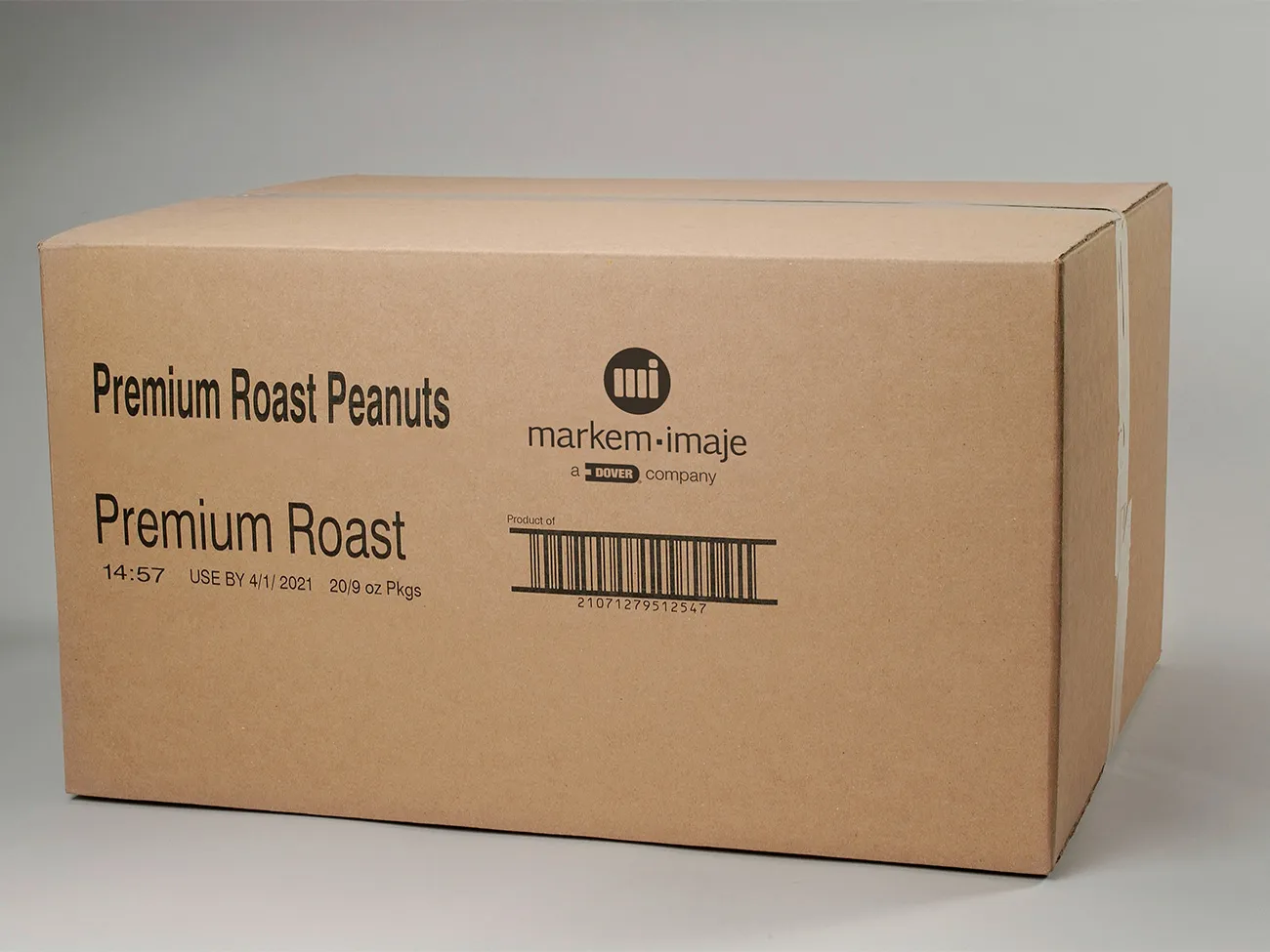
Although GS1-128 barcodes offer many benefits, the requirements for using them are more stringent. For example, they require high resolution and strong contrast between the print and the packaging material. The printing solution must also achieve the required ANSI (American National Standards Institute) grade for the relevant type of material and shape. This has led to growing demand for robust hardware and software solutions to prevent waste caused by incorrectly printed information. Choosing the right coding solution is essential.
Packaging material
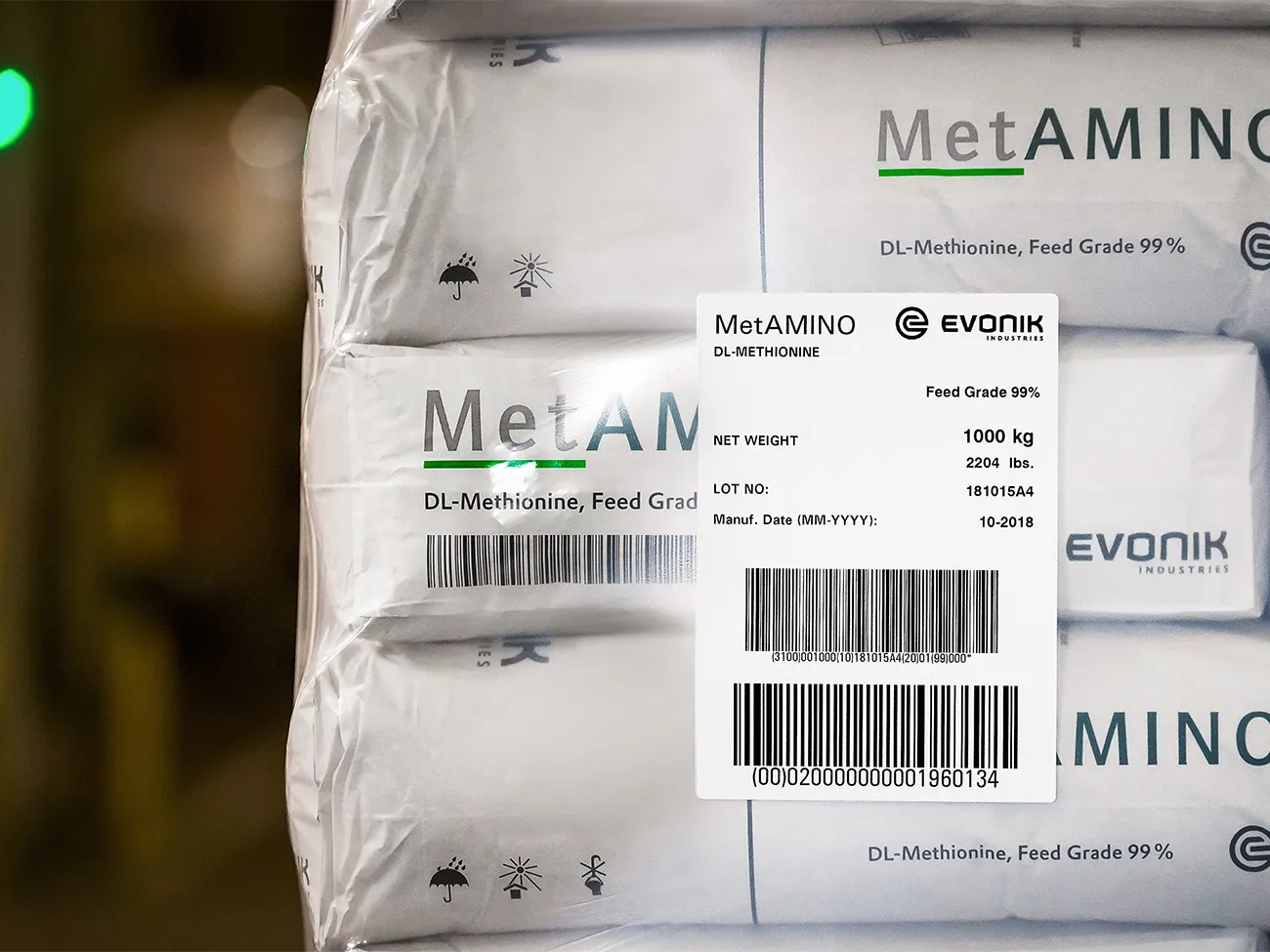
Print-and-apply labelling is the most common option for GS1-128 codes, as the product surface is less important when labels are used. In line with the GS1-128 recommendation to use two labels, print-and-apply labelling systems are available that print on the front and side without requiring costly line modifications. This option works on both curved and uneven surfaces and is the only choice for products packaged in shrink or stretch film. The system must be able to guarantee quality level C (ANSI) or better, with a print resolution of 300 dpi.
Inkjet printer
In certain circumstances, an inkjet printer can be used to print directly onto boxes, helping to reduce labelling costs. This is possible when the material is light in colour, with a reflectance of 43.3 or higher. Examples include corrugated board made from bamboo or material with a low recycled content. However, systems using liquid inks are unsuitable, as they struggle to meet the required ANSI grade. Solutions using solid inks that can print directly onto boxes at a resolution of 200 dpi are needed. The coding technology and inks must be able to guarantee ANSI codes of grade C or better.
Software
As well as the right coding equipment and consumables, the information being encoded must also be correct. There are many points in the supply chain where human error can introduce non-compliant data into the barcode. An end-to-end software solution with built-in GS1-128 parameters will flag an error if operators try to enter invalid information at any stage of the production process.
Accurate data exchange
Operational efficiency improves when accurate data exchange is established between the ERP and MES systems, while also validating that encoded data complies with GS1-128 specifications. The most advanced systems on the market also include automated job set-up and a data design wizard to prevent invalid entries. This is often complemented by vision systems to ensure that every product leaves the factory with a barcode that meets requirements.
A one-stop shop for GS1-128
For more than a decade, Markem-Imaje has helped manufacturers worldwide implement GS1-128 barcode coding solutions. Unlike other suppliers that rely on third parties, Markem-Imaje provides both the required hardware and software to support manufacturers with the necessary changes.
Question about this story? Ask your question
Companies in this story
Keep following this
Get an email when a new story is published. No account needed.
- ThemeSmart production with data
- SubjectTechnology
- CompanyMarkem-Imaje NV







