












Why an engineering company started roasting its own coffee
Text Alexander PilImage CEE
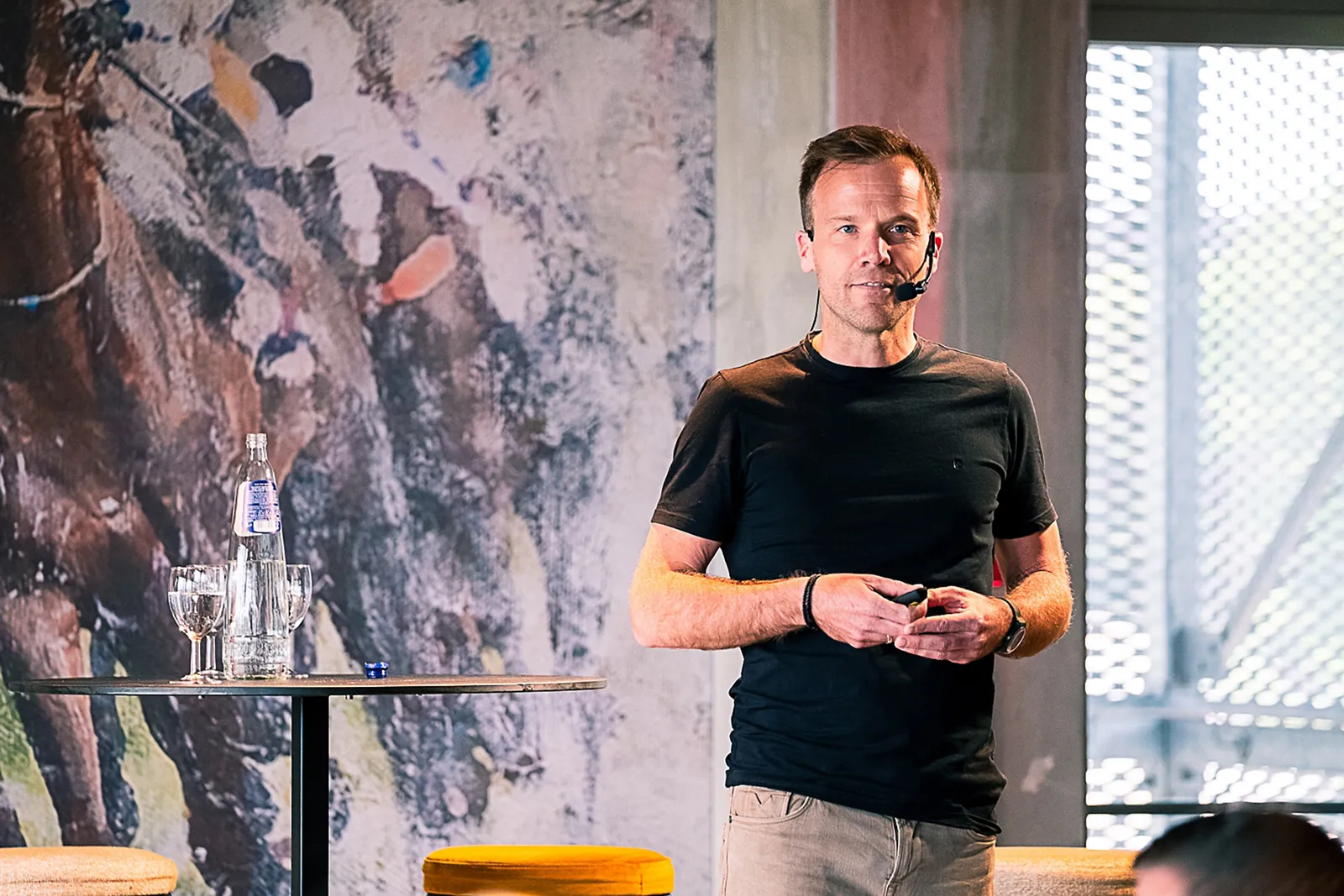
A Flemish engineering company that builds industrial ovens and dryers also runs its own coffee brand. Not to be trendy, but to get its technology sold. CEE set up Ray & Jules to prove that continuous roasting works and uses far less energy.
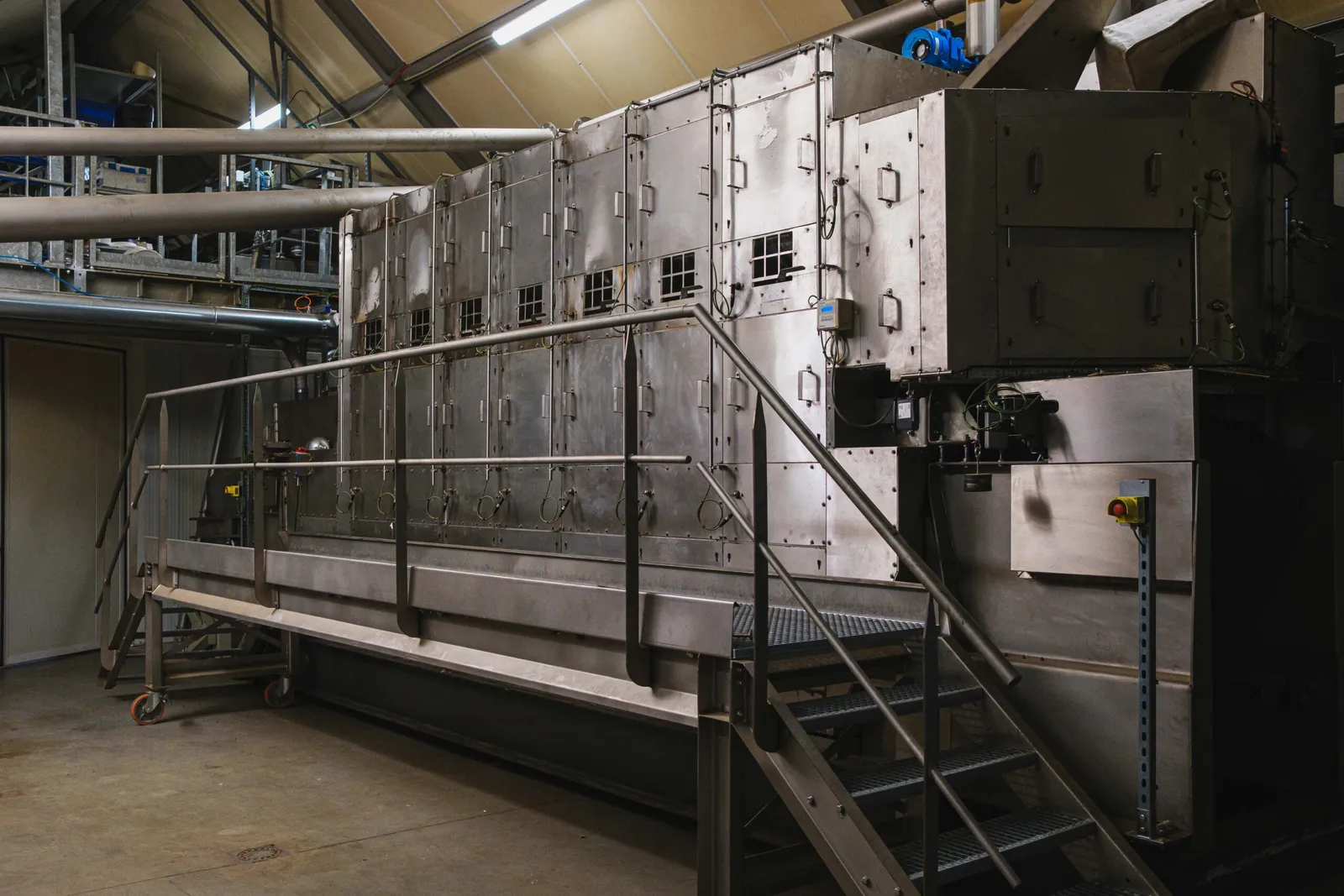
“We’re obsessive thermodynamics nerds,” says CEO Koen Bosmans of his colleagues at CEE. “Energy efficiency is always our starting point.” Since it was founded in 2007, the cleantech company from Hamme-Mille has carved out a niche with dryers, ovens and energy-efficient utilities. “Cocoa, coffee and malt may not seem to have much in common with bricks and plasterboard. But to us, they are all products that require a lot of heat during production.” CEE found that the food sector is responsible for more than 10% of global industrial CO2 emissions. “Many processes in the sector still run in batches. On, off, heat up, cool down, heat up again. Thermally, that is very inefficient,” Bosmans says. From 2014, CEE developed an alternative: a continuous process that roasts and dries in a steady stream rather than in bursts. “We took a blank sheet of paper and asked ourselves: what would this look like if you designed it purely for energy efficiency?”
Two to three times less energy
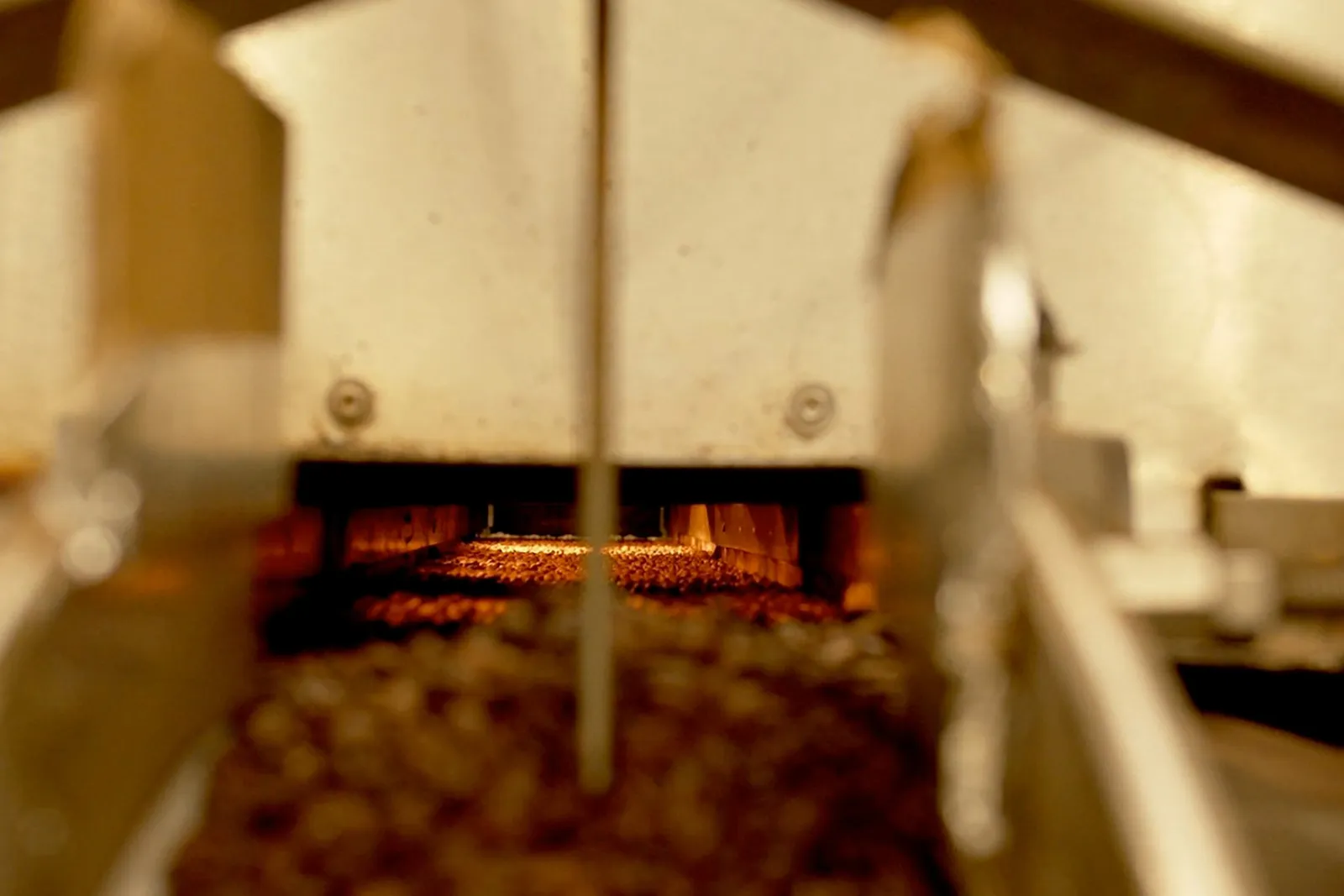
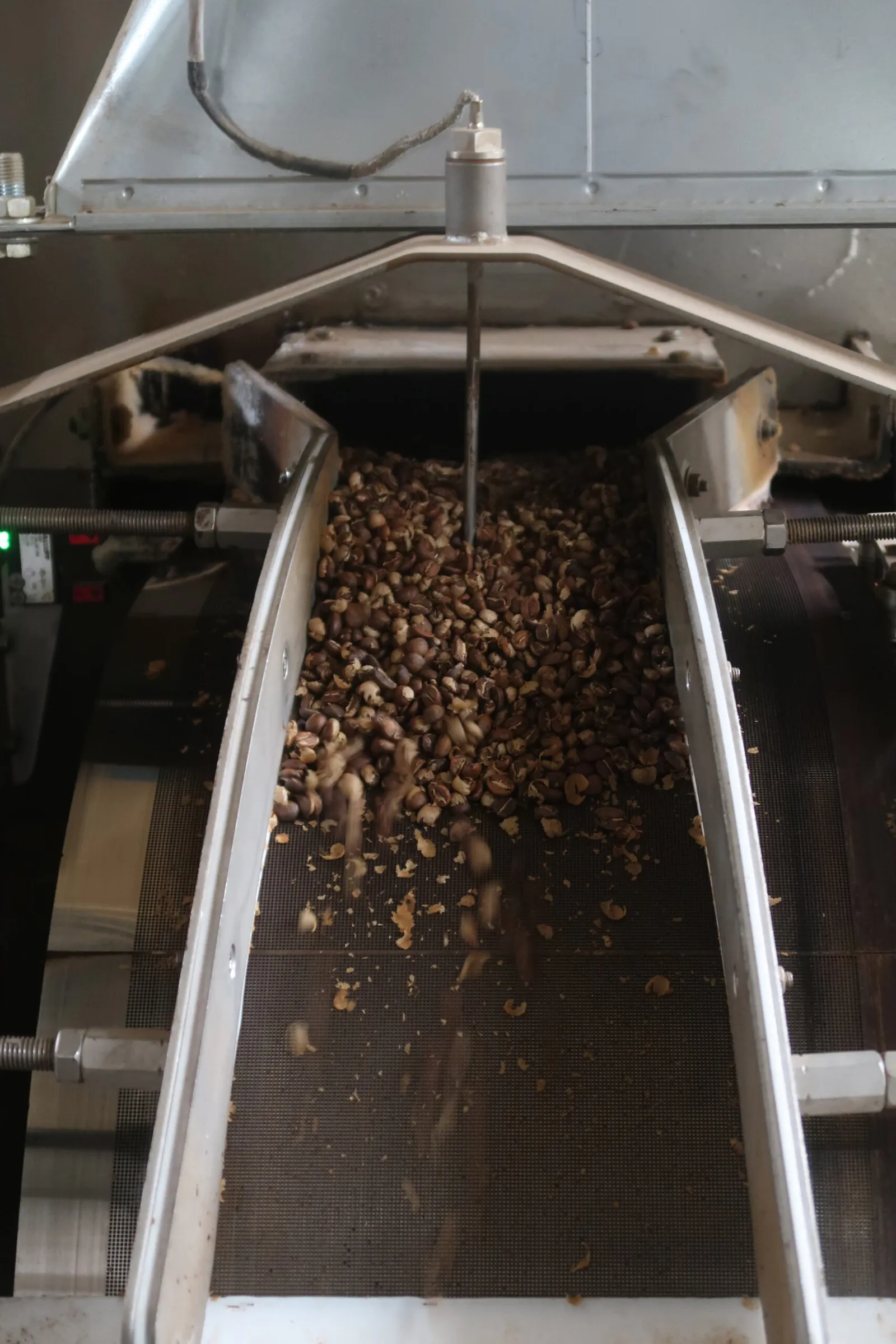
The difference between CEE’s solution and conventional batch roasters comes down to physics. “In a traditional drum roaster for coffee beans, you create an atmosphere of over 500 °C in 6 minutes,” says Bosmans. “That takes a lot of gas, and you need afterburners to deal with the peaks in odour.” CEE’s continuous system transfers heat entirely by convection. “We only need to reach 230 °C.
And because the process is continuous, we can recover heat from the outgoing product to preheat the incoming product.” The impact is significant: energy consumption for coffee and cocoa is two to three times lower, and for malt it is even five to six times lower. It seems like a no-brainer for producers, but the technology failed to catch on commercially. “Customers thought it was too innovative. This is their core process, after all, and their entire factory is built around it. They mainly buy new equipment to increase capacity or improve quality. The fact that our solution is more energy-efficient is a bonus. That’s fine, as long as they work with us, our mission is accomplished.”
Own factory
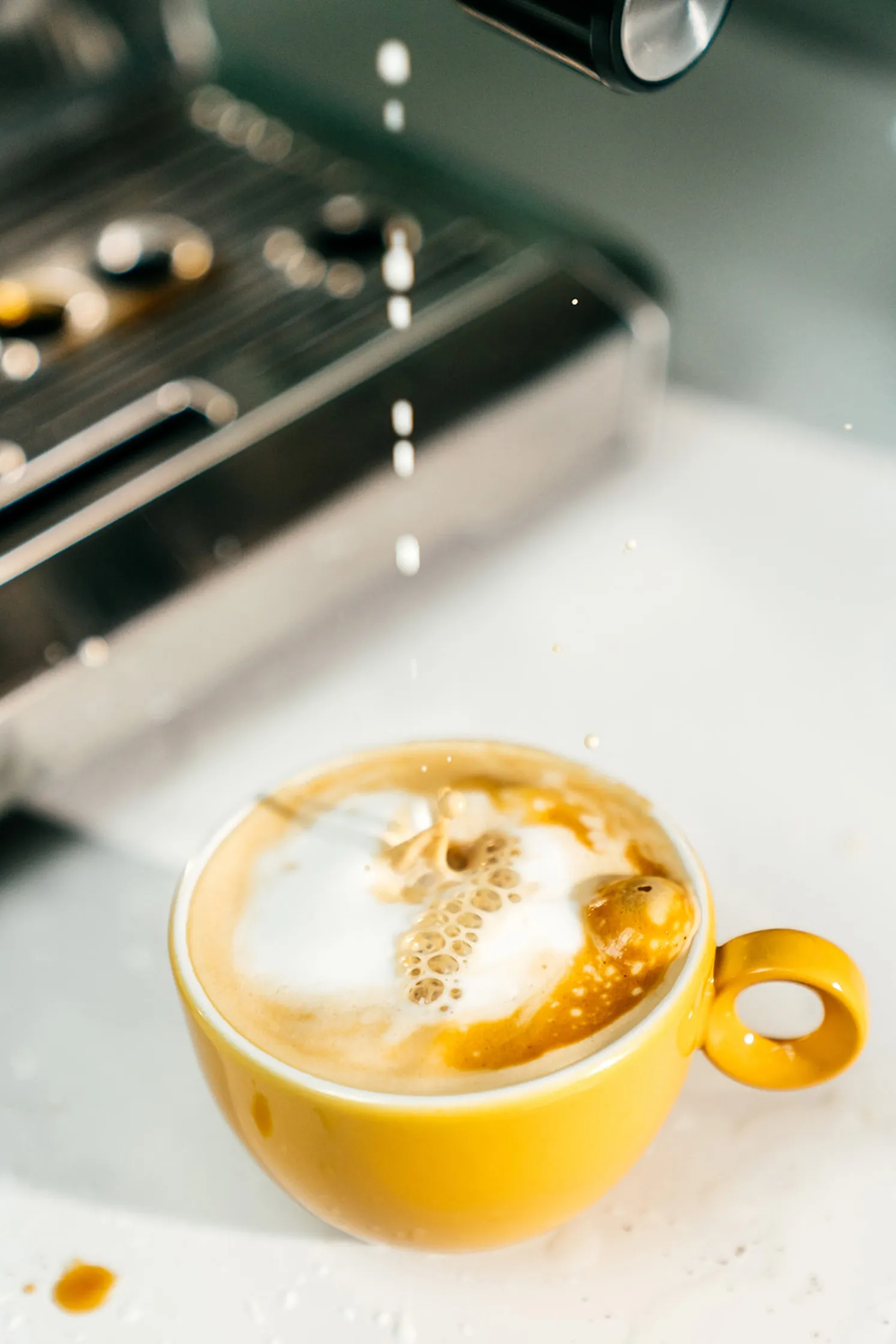
In 2017, the company faced a choice: stop or set up its own factory. It chose the latter, opening a coffee roastery based on its own continuous technology. “CEE is our tech brand, Ray & Jules our love brand,” says Bosmans. “For us, it’s the perfect way to show that the technology works, that the coffee is good and, above all, that the process is profitable.” CEE is now working with major international players to roll out the technology. And Ray & Jules has grown into more than a test facility. “Around 27,000 cups of Ray & Jules coffee are drunk every day,” says Bosmans. “We came into the coffee world like Tesla: engineers shaking up an industry.” That visibility remains important. “Now that major players are using the technology, Ray & Jules has to reinvent itself, but its role as a disruptor remains. If others are embarrassed by their fossil-fuel roasters because of us, and then call CEE, Ray & Jules has done its job.”
Question about this story? Ask your question
Keep following this
Get an email when a new story is published. No account needed.
- SubjectTechnology







