Can the food industry rise to its many challenges?
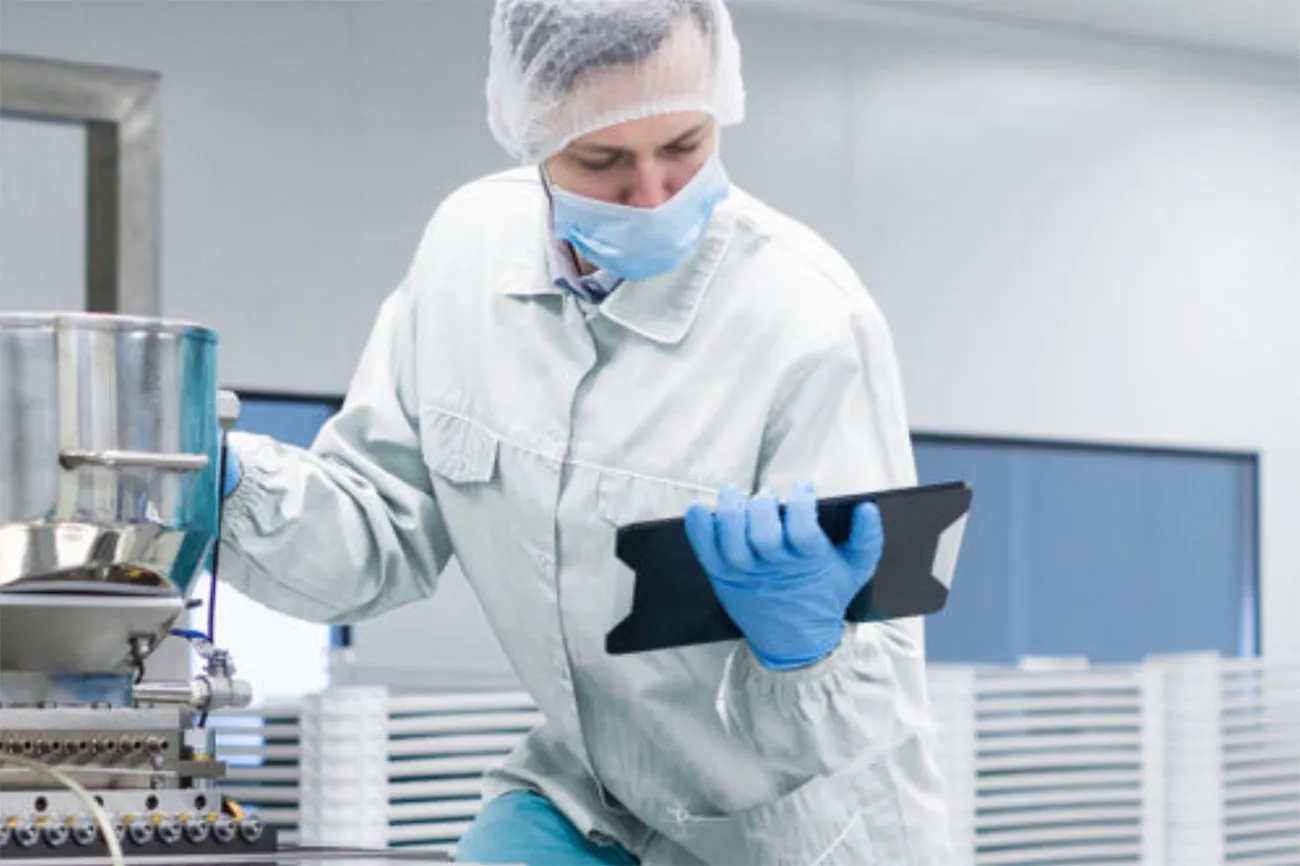
The food industry is constantly changing and faces a wide range of developments and challenges. Alongside rising ingredient and energy costs, it must also contend with inflation, price increases, recession, sustainability and a full-scale ‘war on talent’. But with the right knowledge and expertise, it is entirely possible to meet these challenges. KTBA outlines some of the issues facing the industry and how it can lend a helping hand.
Trends
Looking at the market, Hulshof sees several trends that will have an impact on the food industry in the coming period. “Consider inflation and the possibility of a recession, as well as staff shortages and the resulting ‘war on talent’. We see food producers struggling to find the right employees. This directly affects their ability to maintain production capacity and product quality. Sustainability is another key issue, and digitalisation is also on the list of trends.”
Working together on solutions
The so-called 3 Cs (Climate, Crisis and Conflict) are having an impact on food production worldwide. Scarcity drives up the price of raw materials. Consumers notice this in supermarkets, but in less prosperous countries it is leading to an outright crisis, especially as climate change is also making itself felt in those regions. “Rising raw material costs make it harder for producers to maintain the same cost levels,” Hulshof explains. “Sky-high energy costs are also playing a major role in the industry. They can even lead to temporary production stoppages, as in the case of Hak. We see some very real risks here.” KTBA seeks to support its clients by actively advising them on supplier relationships, or helping them find alternative raw materials and understand what such a change could mean for the rest of their quality assurance and food safety systems. Hulshof notes, for example, that procurement departments are often given a different brief from quality departments. “Buyers are asked to look for savings and cheap raw materials, but this often makes life harder for the quality management department. They have to revisit questions about a product’s origin and the associated risks. This makes quality assurance more labour-intensive. Departments can address this by keeping the lines of communication open. They can also draw on knowledge of alternative raw materials and the risks and hazards they may pose.”
The impact of staff shortages
Labour market shortages are another challenge Hulshof identifies. “Many companies struggle to recruit and retain the right quality managers. At the same time, this raises the question of how to maintain the required level of knowledge within the organisation. Having the right processes in place and following them is essential, particularly when it comes to quality and food safety. Knowledge is vital. If you no longer have enough expertise in-house, you can bring in external quality managers to provide temporary or ongoing support and maintain high production quality.”
Bringing expertise in-house
“KTBA has a wealth of expertise in-house,” says Broens. “Clients see the value this brings. We provide them with specialist knowledge, so their own quality department does not have to look for it. It also means spending less time taking someone away from their own department to research a topic.” According to Broens, the ‘war on talent’ also means employers need to ensure that the people they manage to recruit actually stay. “Make sure you are a good, attractive employer and invest in that. Give people the opportunity to develop a broad range of skills.” Hulshof mentions the specialist training KTBA offers to qualify more people as quality managers. “We recently launched a training course for career changers who want to move from production work into quality management. There has been a lot of enthusiasm for it.”
Sustainability
“A product’s footprint is becoming increasingly important,” Hulshof observes when discussing the sustainability trend. “Not just for consumers, but for the entire industry. Sustainability is also high on KTBA’s agenda. The food industry is aware of this too and is taking a close look at alternative raw materials, for example. But sustainability also has a part to play in packaging: what material do you use, how much do you use, and what could be improved? How far do products have to travel?” And, perhaps less well known, sustainability also involves cybersecurity and awareness of it. “You don’t want your operations to be put at risk because your system has been hacked.”
Broens says sustainability is currently at the same stage as HACCP was in 1996. “We expect a similar framework to emerge for sustainability, and it would be good if it could be integrated into existing manuals. Requirements are coming not only from consumers, but also through new legislation from the national government and the European Union, which quality departments need to be prepared for. For example, the Riskplaza database sets out the risks associated with each type of packaging material. In that respect, we are already prepared for what is coming. We also encourage companies to look at the results they could achieve, for example in terms of improving sustainability.”
Digitalisation
Broens briefly highlights the importance of digitalisation: “I’m mainly referring to connecting different systems. There is still a huge amount of progress to be made there. If you create a platform where everyone presents their information in the same way, it saves a great deal of time and therefore money. We can also provide support in this area.”
Curious about what KTBA can do for your organisation?
Een zakelijke vraag aan Mérieux NutriSciences | Expert Partners? Get in touch
Companies in this story
Keep following this
Get an email when a new story is published. No account needed.
- SubjectNews
- CompanyMérieux NutriSciences | Expert Partners