Chiquita launches Yelloway initiative: bananas with greater resistance and lower emissions
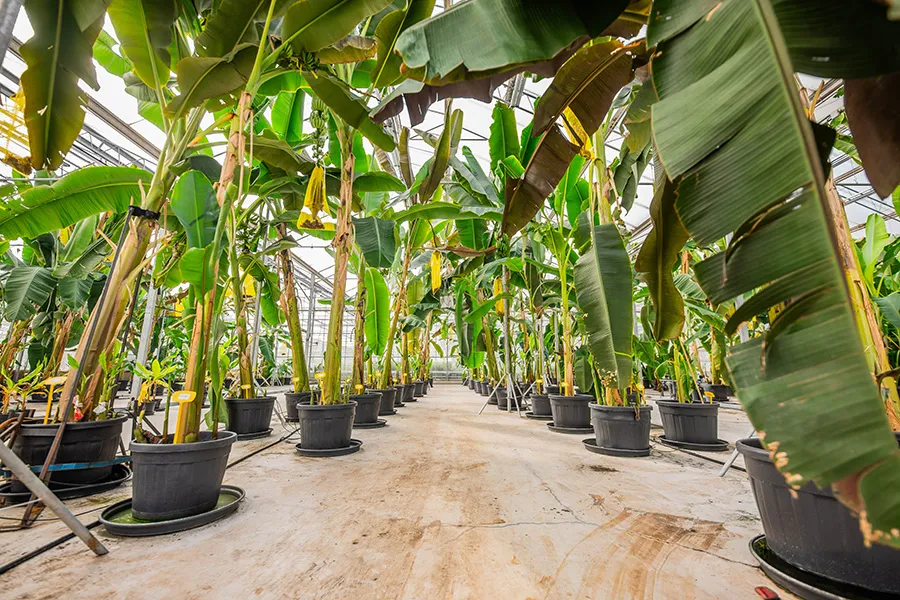
Chiquita, the world’s largest banana company, is committed to taking measurable action on climate change. As part of a strategic, long-term collaboration with KeyGene, MusaRadix and Wageningen University and Research (WUR), Chiquita is proud to launch the innovative Yelloway initiative to develop bananas with greater disease resistance.
A stronger banana
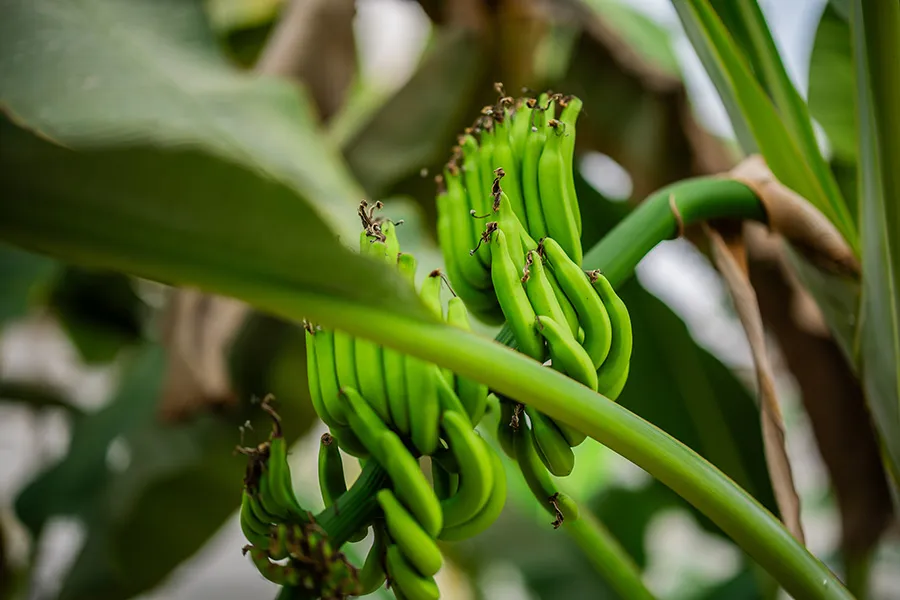
The Yelloway initiative was established to develop bananas resistant to both pathogenic diseases and environmental threats, with a particular focus on Tropical Race 4 (TR4) and Black Sigatoka. The initiative comprises four stages, starting with genome mapping, followed by plant breeding, laboratory testing and field trials. The first batch of Yelloway bananas is currently undergoing field trials in the Philippines.
“With more than 150 years of experience in the fruit and vegetable industry, we at Chiquita have seen first-hand the impact of climate change and the environmental threats it poses,” says Peter Stedman, Director of Sustainability at Chiquita. “The Yelloway initiative gives us the opportunity to make a real difference in the world, particularly when it comes to food security and nutrition worldwide. The Netherlands also plays a leading role in agro-science and (non-GMO) breeding. This initiative supports that ambition. The process offers a long-term, sustainable solution for the banana export industry, increases the number of banana varieties and reduces our carbon dioxide emissions. We are incredibly proud of the work we have done.”
Greater diversity, lower emissions
The initiative also aims to reduce carbon dioxide emissions.
Black Sigatoka, TR4 and other diseases cost the banana industry several hundred million dollars a year in crop protection. Black Sigatoka is currently controlled through aerial spraying, which directly results in carbon dioxide emissions. By developing resistant banana varieties through Yelloway, Chiquita is helping to safeguard banana production, reducing the number of aircraft needed to spray crop protection products. This directly cuts carbon emissions.
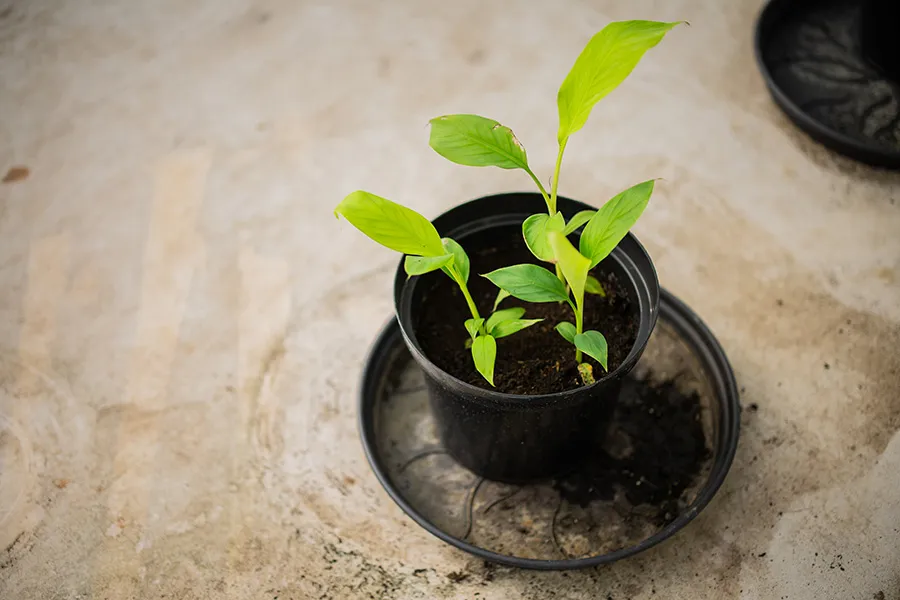
Yelloway has helped Chiquita and its research partners create a family tree of banana diversity, featuring more than 160 different banana varieties and 150 successful crosses, which have yielded 32,000 seeds. The first diploid F1 bananas are now growing in the greenhouse. New varieties are also being developed, including some with resistance to Fusarium and tolerance to Black Sigatoka. The ultimate aim is to produce three new resistant varieties with the same appearance, texture, taste and shelf life as the Cavendish banana familiar to consumers.
Marco Volpi, Chief Marketing Officer at Chiquita Brands, says: “As an industry leader, Chiquita is determined to tackle climate change. Yelloway is an impressive undertaking that will enable us to withstand both pathogenic diseases and environmental fluctuations. With the first batch of Yelloway bananas in the Philippines, our hard work is bearing fruit and showing us that we are making a real contribution to a greener future.”
First global fruit company with SBTi status
The Yelloway approach is an additional measure Chiquita is taking to tackle climate change. Chiquita recently launched the ‘30BY30’ initiative, a major programme aimed at reducing the brand’s total carbon dioxide emissions by 30% by the end of 2030. Approved by the Science Based Target Initiative in 2021, the programme made Chiquita the first global fruit company to be recognised by SBTi. This aligns with Chiquita’s sustainability approach, ‘Behind the Blue Sticker’, which applies sustainability principles across all its business practices to make a positive contribution to the environment.
Question about this story? Ask your question
Keep following this
Get an email when a new story is published. No account needed.
- SubjectNews