Collagen: added value for bakery products
Text Valérie CouplezImage iStock
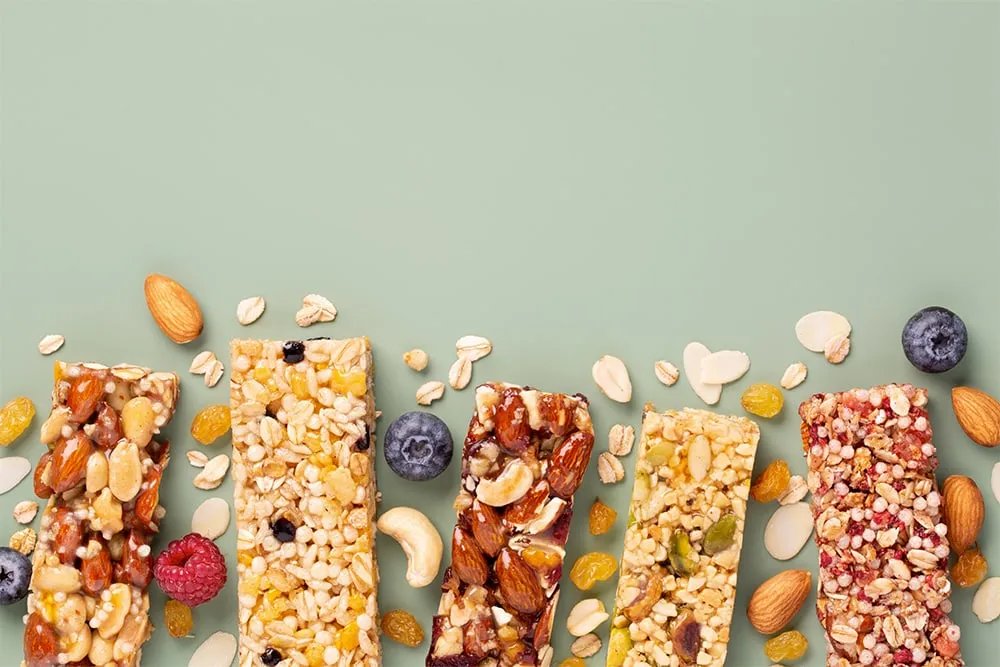
To say collagen is on the rise is an understatement. More and more consumers are aware of the benefits the ingredient offers. Whereas food manufacturers may once have preferred to hide it in the ingredients list, today they are happy to promote it. How can bakery product manufacturers use this emerging ingredient?
In Asian countries, collagen has long been regarded as a beauty supplement. It is the most abundant protein in our bodies: no less than 30% of all proteins are collagen. A strong, insoluble, fibrous protein that plays an important role in our skin, tendons, blood vessels, cartilage, bones and connective tissue. It helps maintain skin elasticity and promote stronger nails and hair. Collagen is also becoming increasingly popular as a way to prevent injuries and joint damage during exercise and in older people. Its effects have been clinically proven.
High concentrations without affecting taste
It also occurs naturally in our food. Foods containing collagen include stock made from fish or beef bones, gelatine, eggs, leafy greens and berries. It has since become an essential ingredient in functional foods, such as protein bars and shakes. Whey proteins can produce similar health effects, but they have a distinctive taste and increase a product’s viscosity. This limits how much you can put in a bar. Collagen molecules, by contrast, are smaller, allowing them to be used in higher concentrations.
Scientific claims
The more traditional food industry is rather reluctant to use collagen as an ingredient because you cannot make health claims for it. Obtaining an EFSA claim in Europe is very difficult, but such claims still offer many producers of everyday foods a point of differentiation. The food supplement sector has gone further. Manufacturers are already actively using clinically proven ingredients such as collagen, combining them with vitamins and minerals that carry EFSA claims. They have realised that packaging is no longer the only place where consumers look for information about ingredients, so scientific evidence or claims based on clinical studies can be communicated through other channels.
Versatility is key
Collagen is a pure protein with a wide range of applications, so it is easy to mix with other ingredients. It has a neutral taste and is stable during baking, meaning it can be used in many ways. More applications are likely to follow, as a healthy, varied daily diet is increasingly seen as a way to prevent chronic diseases. Scientific research puts the recommended daily intake at at least 5 g, although most studies suggest 8 to 10 g. You could probably add enough collagen to bread for three or four thin slices a day to provide a sufficient amount. All you need is two slices of bread in the morning, two more at lunchtime and, at another time, a drink, biscuit or piece of chocolate. This lets you spread your intake throughout the day without needing large doses. This could be the future of functional food ingredients.
Promoting collagen
The best sales opportunities lie in promoting collagen as a beauty or fitness ingredient. The effects are seen most quickly in these areas. Some people notice stronger nails, shinier hair and even better skin after a few weeks of daily use. People who exercise regularly find their performance improves after a month and that they feel less pain after training. The benefits are harder to communicate in terms of ageing. As you get older, your body breaks down more collagen than it produces, so your skin becomes drier and more wrinkled and your pores get larger. What you cannot see is what is happening inside: your bone mineral density decreases and your bones become less able to retain calcium. Collagen also plays a major role here, but the effects are not seen as quickly. You need to take it for a long time, and of course you cannot feel your bones getting stronger, although you may experience less pain and stiffness.
Question about this story? Ask your question
Keep following this
Get an email when a new story is published. No account needed.
- ThemeDeveloping new foods
- SubjectNews