Colruyt Group secures permits to farm Belgian mussels in the North Sea
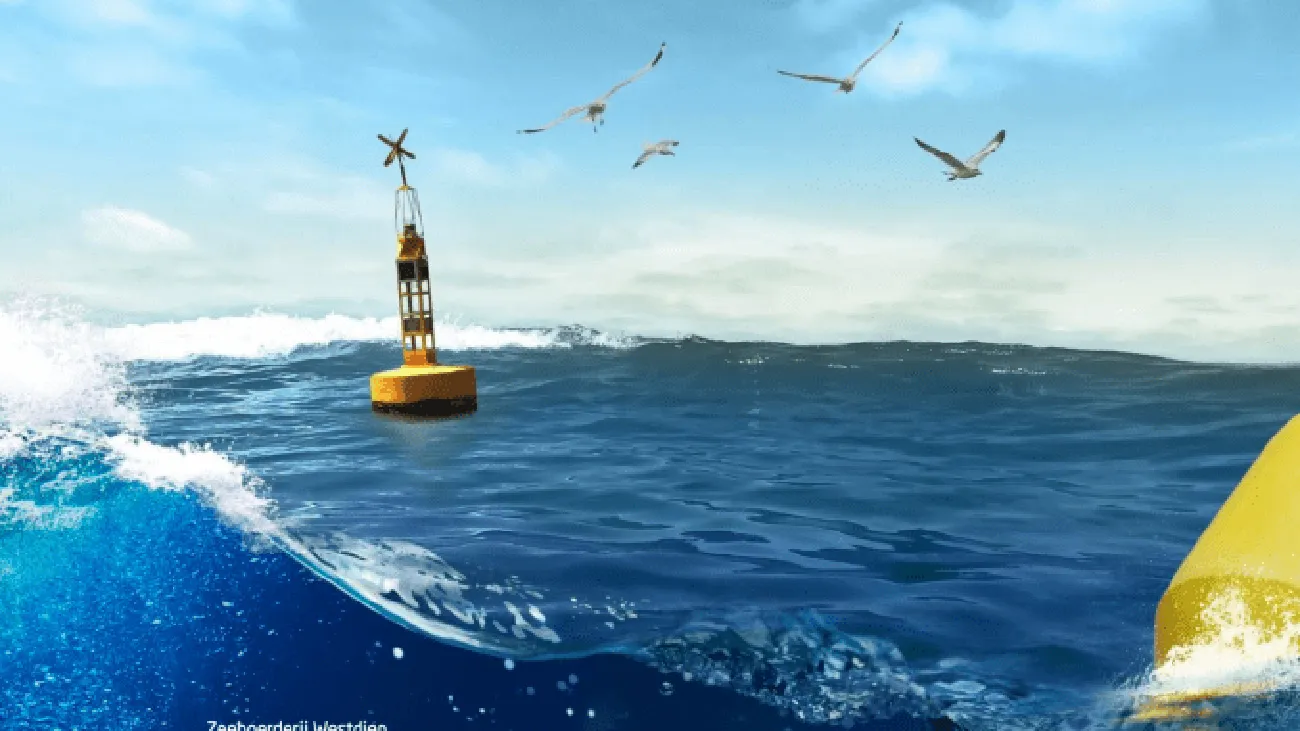
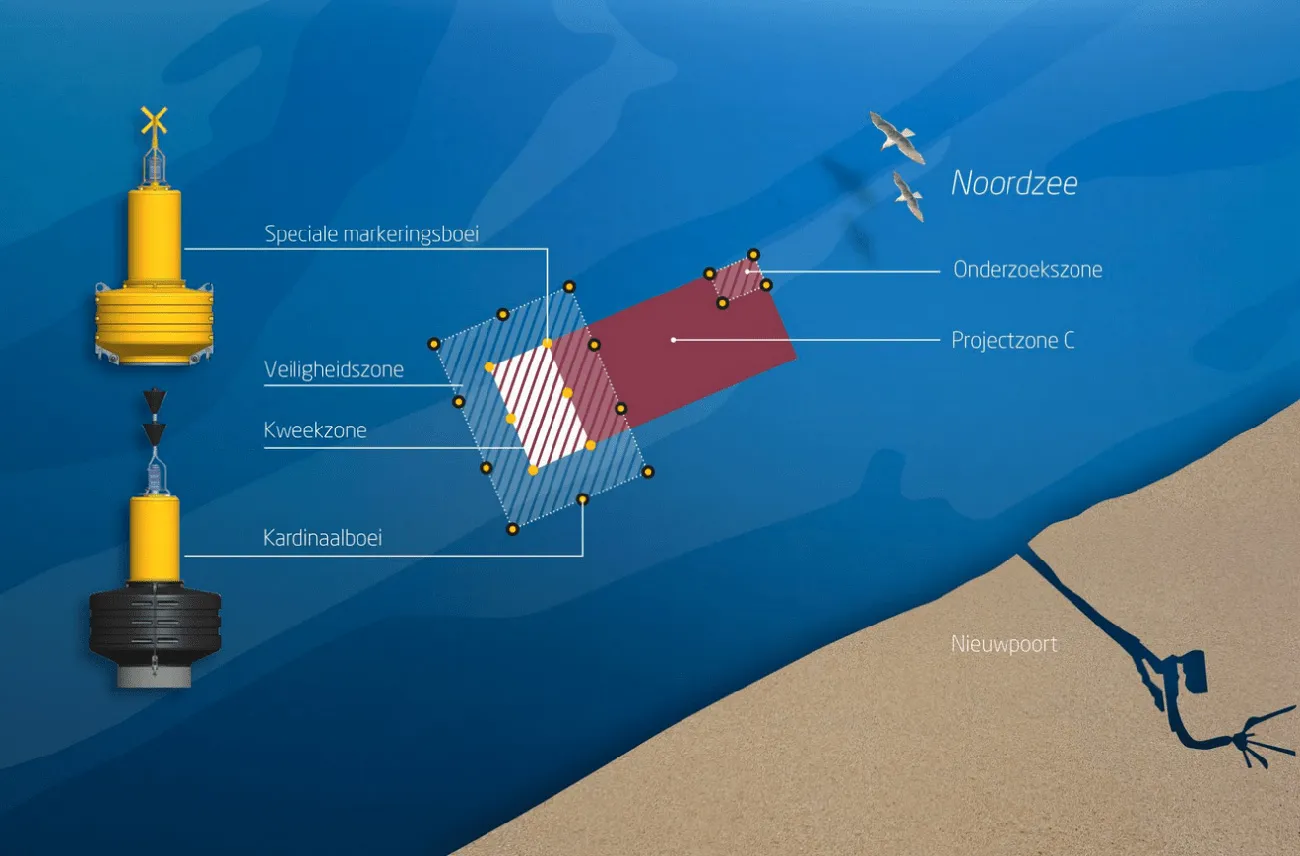
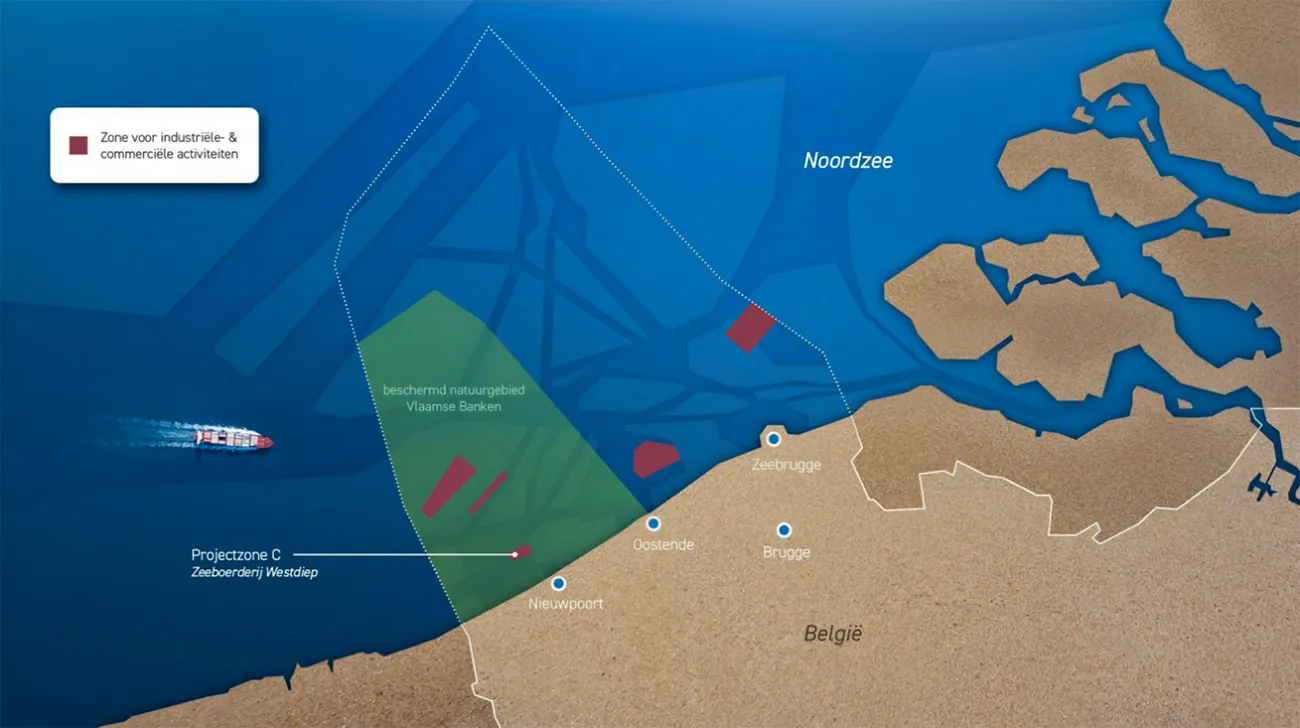
Colruyt Group has recently secured the operating and environmental permits for project zone C in the North Sea. Zone C lies 5 kilometres off the coast of Nieuwpoort and Koksijde and is better known as the Westdiepzone. In April 2020, Colruyt Group applied for the permits required to farm Belgian mussels there in the first phase, followed later by oysters and seaweed. With the permits secured, the group is now looking for partners to install and maintain the mussel lines, farm and harvest Belgian mussels, and process and package them. The group does not expect its first, limited mussel harvest before autumn 2022 at the earliest, and hopes to have a full Belgian mussel season in 2023.
A phased, carefully considered approach
With the permits secured, Colruyt Group has cleared a first major hurdle on its way to farming mussels, flat oysters and seaweed in the North Sea. Farming these three native species together in open sea would be unique worldwide and an absolute first for the Belgian North Sea. “A great deal of research and innovation has gone into this, but the realisation of the very first offshore farm in the North Sea is now getting very close,” says Stefan Goethaert, Director of Quality and Production at Colruyt Group. “Mussels, oysters and seaweed have never before been farmed on this scale in the North Sea. We also know that it will not be easy, given the harsh conditions and currents in the Belgian North Sea. That is why we are taking things step by step.”
Colruyt Group will take a phased, carefully considered approach to every stage of the project, from design through to construction and maintenance of the offshore farm. “We are now finalising the design of our installation, right down to the choice of materials. Once the design is final, we can sit down with potential partners. We plan to get that under way in the first half of 2021, with installation of the first mussel lines set to begin in the second half of that year.” In the first phase, the group will use a quarter of the area of zone C. It will seed around 50 mussel lines there, which are expected to produce around 250 tonnes of mussels. The first limited harvest is expected in autumn 2022. The group is aiming to take part in its first full mussel season in 2023 and offer Belgian mussels in all its stores for the first time.
Sustainable local partnerships
Colruyt Group will call on partners with the necessary expertise to design, build and operate the offshore farm, and to establish the rest of the processing chain, including farming, harvesting, processing and packaging. The group will also form targeted partnerships to ensure safety in and around the offshore farm and monitor its environmental impact. “Where possible, we want to give preference to local, Belgian partners,” adds Stefan Goethaert. “We are convinced that this project will enable us to establish a new value chain in Belgium, contributing to local employment and innovation in the Belgian aquaculture and food sectors. We believe it is very important to invest in innovative projects like this, and are delighted to have Belgian marine contractor DEME on board as a co-investor.”
Environmental impact
Colruyt Group attaches great importance to the environment and will therefore combine its commercial activities with nature conservation in the North Sea. It strongly believes that farming mussels, oysters and seaweed will have a positive effect on water quality and biodiversity in and around the farming infrastructure. The environmental impact will be closely monitored over the coming years. The group will report on this to a monitoring committee that will include representatives from various government departments.
The Scientific Service of the Management Unit of the Mathematical Model of the North Sea (BMM), which assessed the environmental effects and advised the minister, will be represented on the committee. Brigitte Lauwaert, head of BMM, says: “BMM has been advising on the protection of the Belgian part of the North Sea since 1980. This is the first time a commercial aquaculture project has been granted a permit, a first in Belgian maritime history. Drawing on our scientific expertise, we have worked hard to establish the conditions the project must meet and develop a monitoring programme to assess the effects of the offshore farm. BMM and Colruyt Group will carry out this monitoring programme jointly.”
Continuing to invest in research and consultation
Alongside this commercial project, Colruyt Group is also investing in aquaculture research and innovation. The group is part of a research project in zone C examining the combination of aquaculture and passive fishing. “We are convinced that the offshore farm will provide valuable insights and add value to ongoing and future research projects, in which we will continue to participate,” says Stefan Goethaert.
The group is also committed to constructive consultation with all stakeholders, including local authorities, ports, the fishing industry and recreational boating. “We fully understand that some parties have concerns, and we will continue the dialogue,” says Stefan Goethaert. “At the same time, we are convinced that many local stakeholders are positive about the arrival of an offshore farm and want to help make it happen. Anyone interested in our project is invited to sit down with us.”
Question about this story? Ask your question
Keep following this
Get an email when a new story is published. No account needed.
- SubjectNews