Copains Group bread: (h)onest, local and sustainable
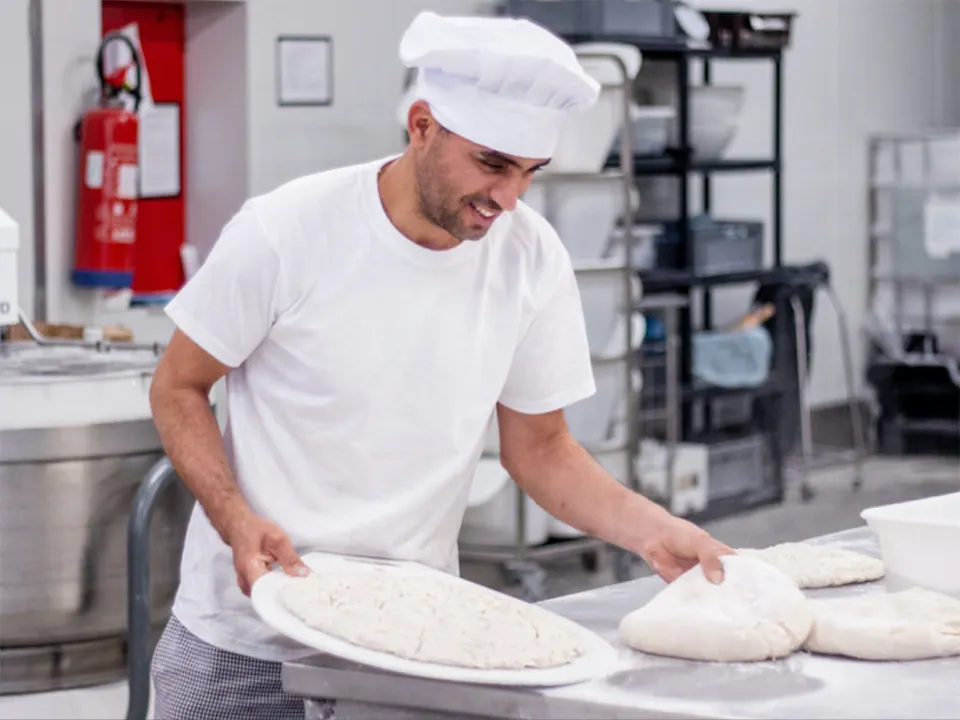
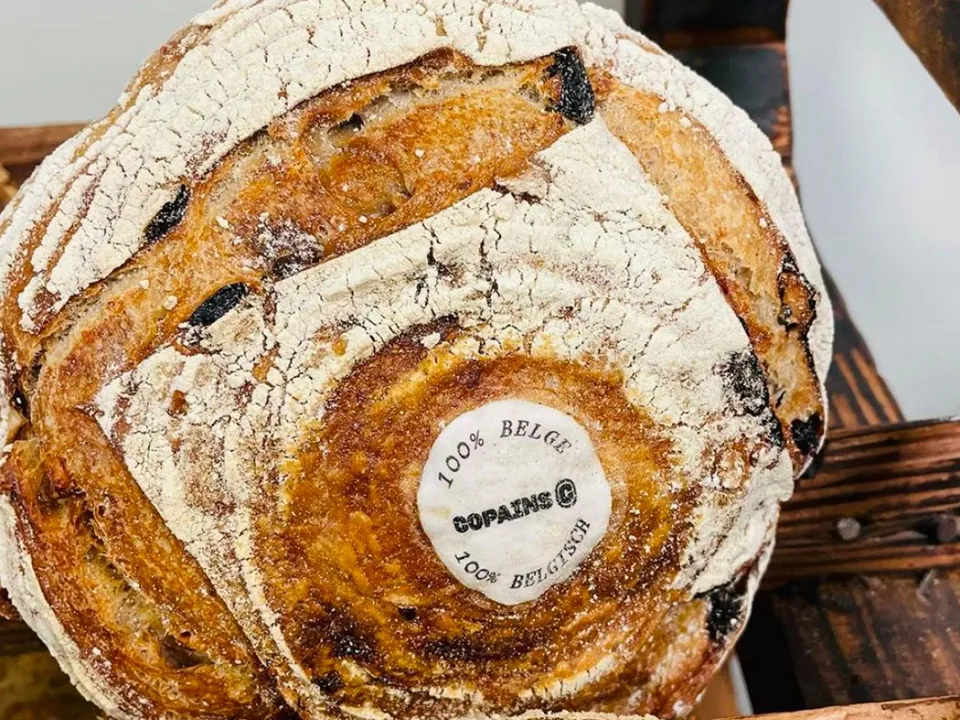
Barely 1 in 10 loaves is made with Belgian wheat. ‘That could be better,’ thought Copains Group, an industrial bakery in La Louvière. Managing director Olivier de Cartier: “At Copains, we decided in 2015 to work exclusively with Belgian farmers. We want to make bread that is thoroughly Belgian and high quality, with complete transparency.”
Bread made from our own dough
Many consumers and food businesses prefer food and drinks made with as many local, high-quality ingredients as possible. Copains Group wants to focus even more on this, which is why it is moving towards a fully local value chain.
“All the wheat we use comes from 6 Belgian farmers,” says managing director Olivier de Cartier.
To see for themselves that things can be done differently, Copains took inspiration from a two-day cycling tour of the Belgian grain industry. 3 stops along the way show that it is possible. The ingredients needed? A short supply chain with enough stakeholders committed to the local approach. That means enough farmers growing wheat, food businesses using local ingredients, shops putting local products in the spotlight and, finally, consumers willing to pay for them.
Working together on regenerative agriculture
Alongside investing in local production chains, the bread producer is also focusing on circularity and reducing CO2 emissions. To this end, Copains works with, among others, Brussels Beer Project. Copains uses the spent grains from its Babylone beer in its bread. Olivier says: “Using brewers’ spent grain, a by-product of beer production, is an innovative way to close the circular loop.”
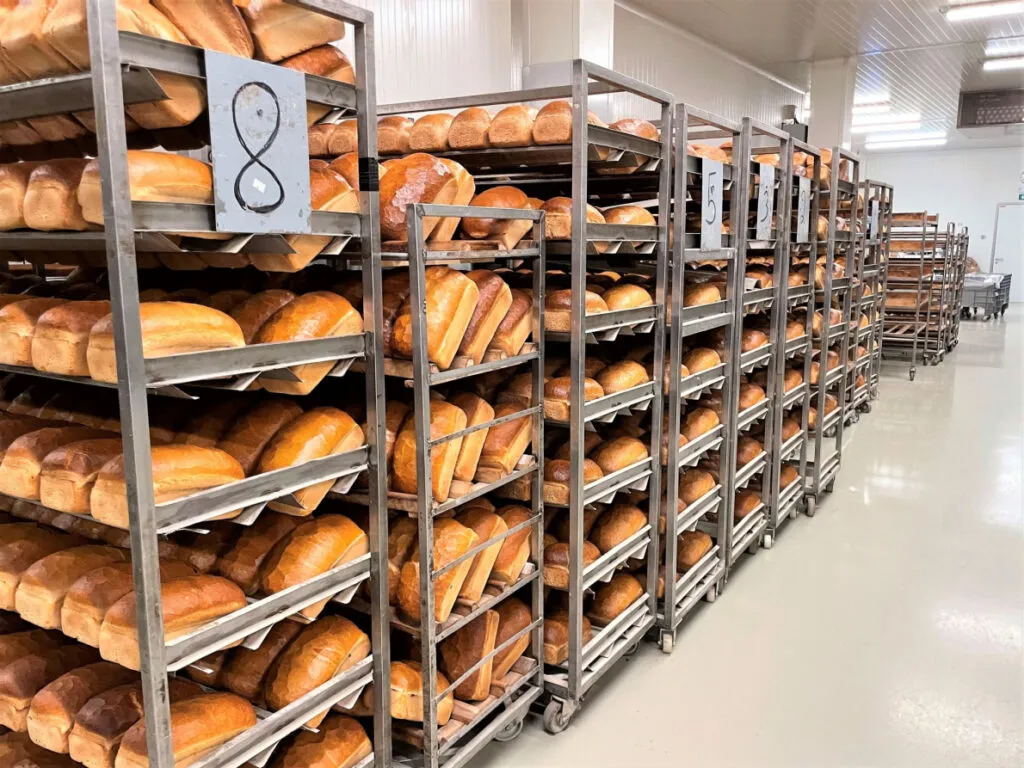
Since last year, Copains has been taking part in a pilot project with Farm For Good focused on regenerative agriculture. The aim is to improve soil quality and store CO2 in the ground. This ambition has implications for production, which must not exceed 12,000 loaves a day, or even 16,000 once the final adjustments have been made.
The price is also slightly higher than average. “That makes sense, because every link in bread production creates a certain value. Focusing on a short supply chain comes with a price tag. Together, we can go much further,” Olivier continues. “There is still work to do when it comes to communicating about our products. But consumers who have been looking for high-quality bread that respects the environment for years are in the right place with us.”
Question about this story? Ask your question
Keep following this
Get an email when a new story is published. No account needed.
- SubjectNews