DPD fresh sees the appeal of Sensolus IoT solution for guaranteeing food safety
Sensolus maps temperatures of DPD fresh chilled products
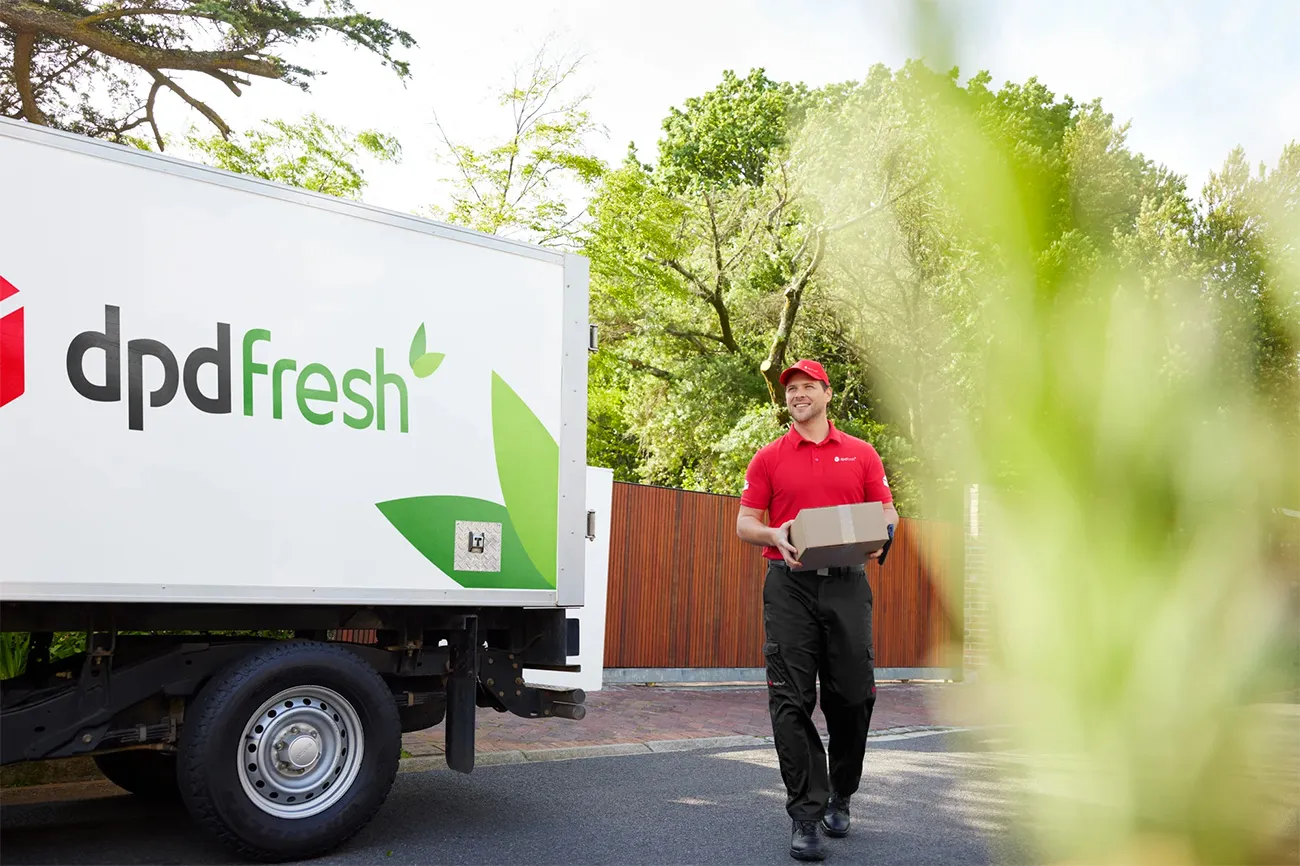
Sensolus, a specialist in connected asset management, has developed an IoT solution for DPD fresh together with Simac Groep. Using trackers and a monitoring platform, the express transport service can now keep track of temperatures across thousands of chilled food parcels during transport. This enables it to guarantee food safety, take preventive action where necessary and avoid food waste.
DPD fresh was established by DPD Belux in 2020 as an express transport service, delivering dry food as well as fresh and frozen products to professionals and consumers within 24 hours. The Belgian subsidiary of European parcel delivery company DPDgroup stands out with its active refrigerated network, so customers do not have to invest in expensive packaging materials to keep their goods at the right temperature. To guarantee food safety, the Federal Agency for the Safety of the Food Chain (FAVV) allows chilled goods to exceed the temperature limit for a maximum of 30 to 60 minutes under its guidelines. DPD fresh wanted to go further and turned to technology for a solution.

Reliable
Simac Groep, DPD’s IT partner for many years, highlighted the power of tracking technology and worked closely with IoT specialist Sensolus on the solution. It cleverly combines hardware and software, reporting temperature data via a tracker. Sensolus’ TRACK 1100 uses NB-IoT technology to send sensor data via mobile masts to the cloud. The information can be viewed centrally in real time in DPD fresh’s system.
“We want to do better, and we can. Taking a reading every few minutes makes it possible to intervene proactively where and when necessary, rather than only discovering afterwards that something has gone wrong. We take no risks with the quality and freshness of food, so we needed a reliable monitoring platform,” says Tom Mertens, IT manager at DPD fresh.
“The trackers also use little power, which means their batteries last for years,” adds Pieter Doornaert, VP Sales at Sensolus. “This makes it possible to track lower-cost assets that are nevertheless extremely valuable in the logistics chain. To double battery life, no data is transmitted when the van is stationary, between 21 and 6. As soon as it moves even one metre, the tracker starts working again.”
Efficiency and seamless integration
When a fully loaded van carrying fifty parcels arrives at its destination, all the parcels and their corresponding sensors must be digitally ‘transferred’ to the freezer. This used to mean scanning 50 times. Now the entire load, registered on the IoT platform, can be transferred to the freezer with a single scan.
“This saves a huge amount of time, and I estimate it could reduce the total cost of use by as much as 30 to 50% when handling larger volumes,” says Koen Verlaenen, general manager of DPD fresh.
As well as being available on the associated IoT platform, the tracker data is also integrated via an API into DPDgroup’s own platform.
“This further improves the traceability of all the food we transport. This seamless integration also saves us a great deal of time and effort searching for information, although we do use the Sensolus platform for some searches and to retrieve historical data because it is so user-friendly,” says Tom Mertens.
A model example for food transport
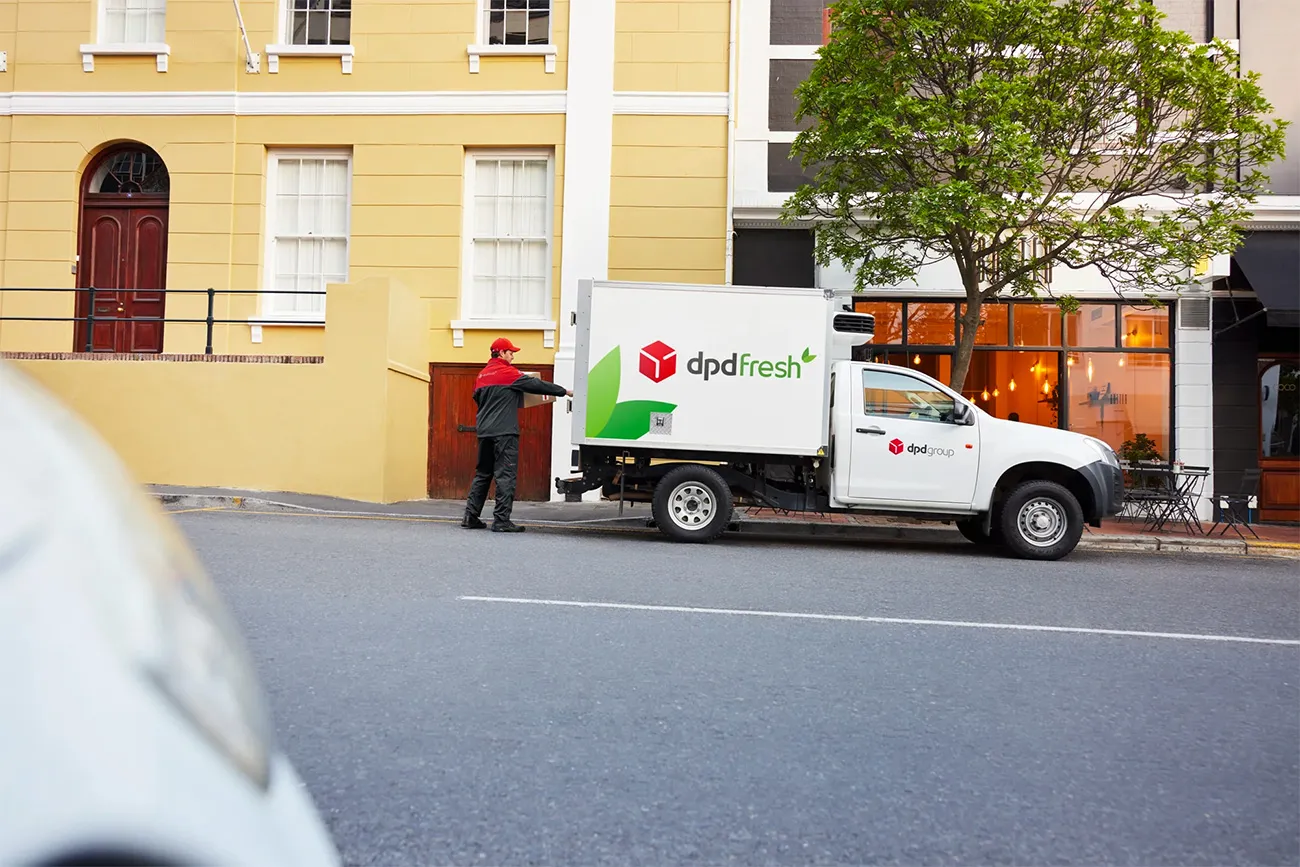
The solution has now been running for a few months, to everyone’s satisfaction. DPD fresh can guarantee with 100% certainty that every parcel containing food has been transported under ideal conditions, and can also take preventive action when that guarantee is at risk.
Question about this story? Ask your question
Keep following this
Get an email when a new story is published. No account needed.
- ThemeFood safety from design to audit
- SubjectNews