How Danone creates shared value
Over the past five years, Danone has invested €180 million in its two European production sites in Rotselaar and Wevelgem, which specialise in producing dairy products and plant-based alternatives. Both sites play a key role in supporting the food company’s growth in Europe and Belgium. Rotselaar exports to more than 20 countries, while Alpro products are available in more than 50 countries.
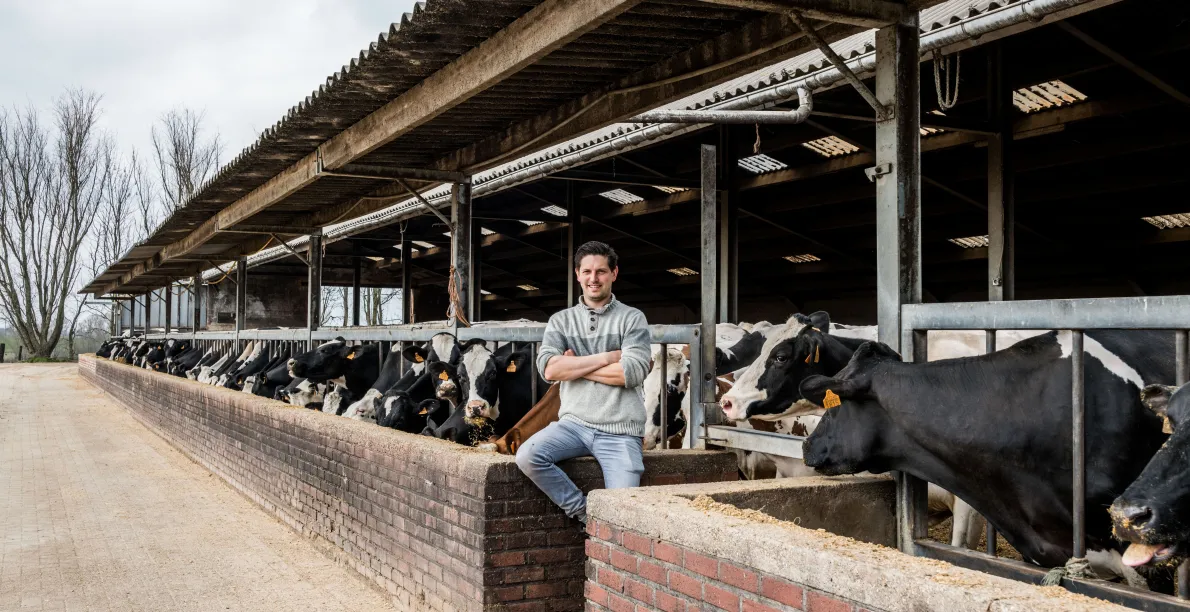
Danone often describes itself as a ‘multilocal company’, and its local roots are evident in practice too. To source the key ingredient, milk, for products such as Actimel, Danone Fruit, Activia Fruit, Light & Free Fruit and Vitalinea, the company relies on around 85 dairy farmers located within an average radius of 70 kilometres of its factory in Rotselaar. Reducing the carbon footprint of milk and improving animal welfare are therefore important aspects of this partnership.
In Belgium, the company offers dairy farmers a more stable income by reducing milk price volatility. Danone was also the first company in Belgium to offer an alternative pricing mechanism five years ago, giving farmers a free choice. It takes into account some of the main costs of milk production, such as animal feed, thereby delivering a more stable milk price. Danone also operates a bonus scheme, with dairy farmers who focus on sustainability and quality receiving additional rewards.
Danone has also partnered with Coöperatie Hoogstraten, giving rise to ‘Danone fruit van hier’: a yoghurt made with fresh local milk and Belgian strawberries, produced in Rotselaar. Danone’s well-known Danio brand has also teamed up with Lotus Bakeries to create a fresh cheese speciality featuring the distinctive Belgian Lotus speculoos.
Alongside investing in local partnerships, innovation is also a key priority for Danone. The company strives to keep meeting consumer needs, and HiPRO is one example: a high-protein product for people with an active lifestyle.
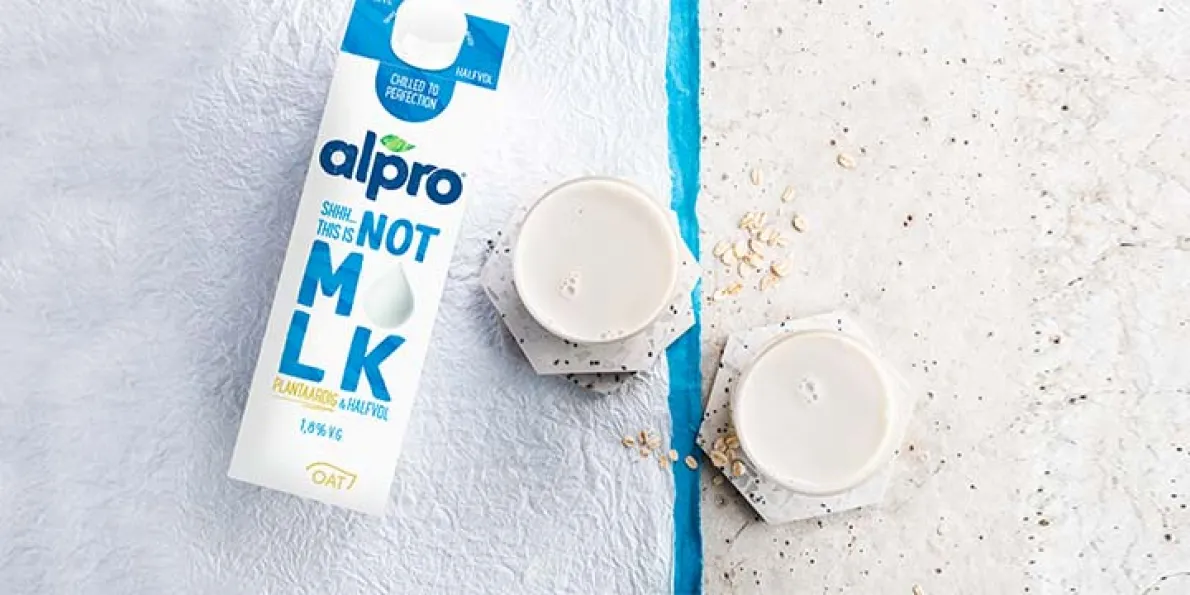
Danone also wants to expand its range of plant-based alternatives, as more and more consumers are choosing plant-based drinks. One new product is Alpro’s ‘Not MLK’, a plant-based oat drink developed at Alpro’s state-of-the-art plant-based innovation centre in Wevelgem.
Alpro sources its ingredients from Europe wherever possible. Most of the soya and organic products used by the plant-based pioneer, as well as all its oats, come from Europe. Alpro’s soya never comes from rainforests, Brazil or anywhere else in South America. All the soya beans are 100% ProTerra-certified, which means they are GMO-free and do not contribute to deforestation. Alpro sources its almonds from smaller, traditional orchards in the Mediterranean region. Ingredients that cannot be grown locally are shipped by sea to keep the carbon footprint as small as possible.
Question about this story? Ask your question
Keep following this
Get an email when a new story is published. No account needed.
- SubjectNews