Mercosur free trade agreement: a good idea or not?
Text Valérie CouplezImage iStock
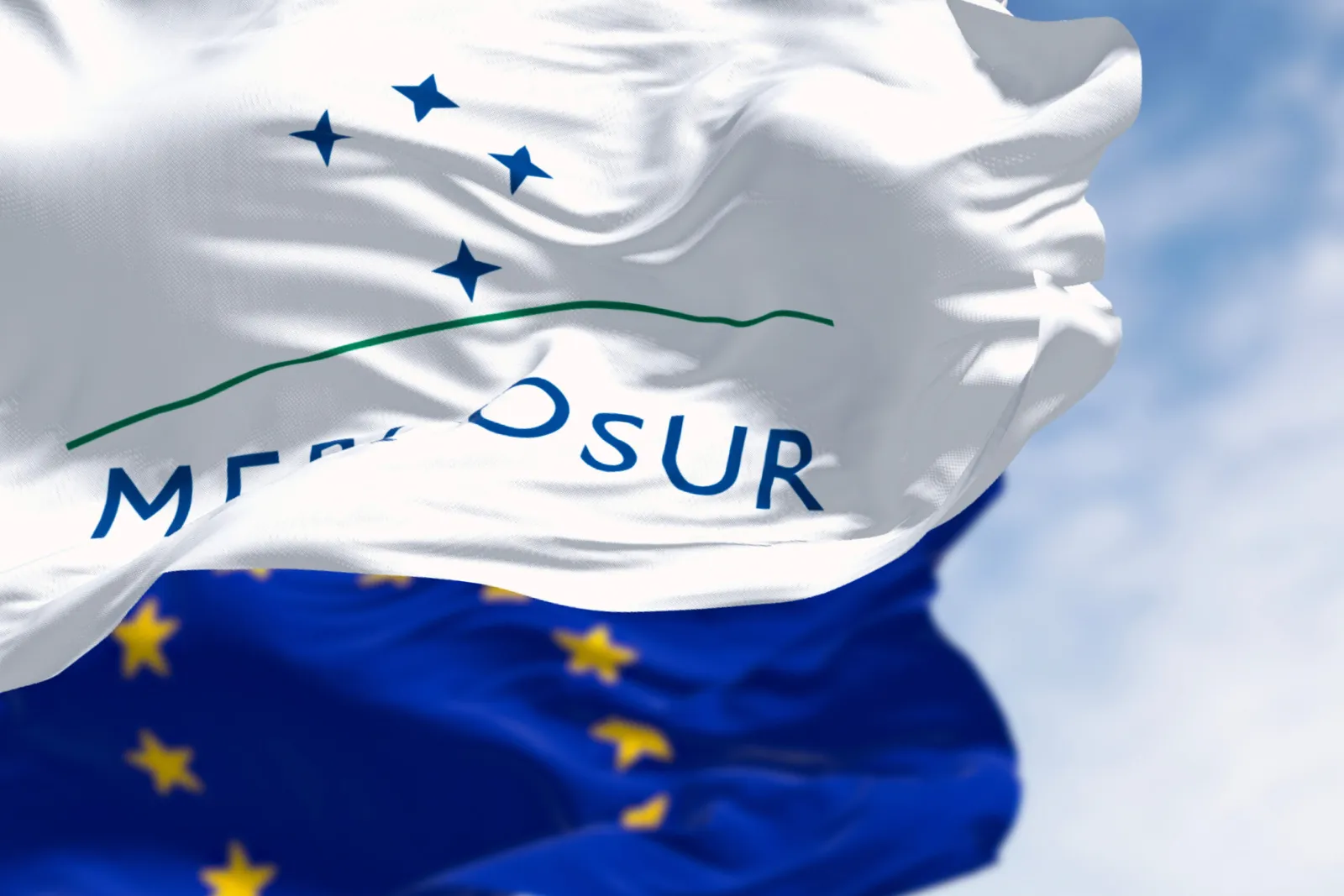
Since 1 May, the free trade agreement between the European Union and the Mercosur countries has been in force. At least for now, as it has not yet been approved by the European Parliament. Farmers in particular have made their voices heard in recent months, fearing unfair competition. Europe imposes higher standards for animal, soil and crop protection, meaning our farmers can never sell at those prices. But what should the food industry make of it all? Should we embrace it, or should we support our farmers in their protest? The answer will vary enormously from sector to sector.
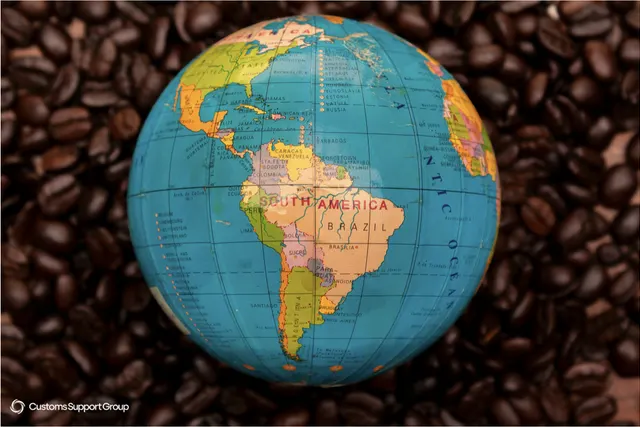
Negotiations on the Mercosur deal have been under way for 25 years. It covers a particularly large area and will therefore have a particularly large impact. It is intended to create a free trade zone between Europe and the Mercosur countries, a South American bloc comprising Argentina, Brazil, Paraguay and Uruguay, among others. The zone will have around 700 million consumers, together accounting for a fifth of global gross domestic product. The agreement will put an end to the tariffs that were in force until 1 May. They applied to 91% of European goods exported to South America and 92% of goods travelling in the opposite direction. So, is everyone happy?
Winners
Certainly, food companies operating in high value-added sectors. European producers of spirits (35%), wine (37%), dairy products (28%) and chocolate (20%) will be among the local winners. The removal of the respective import tariffs will make their prices much more competitive. “With wine consumption in traditional markets in structural decline, European wine producers are increasingly dependent on exports. Without import duties, we can expect export growth in the double digits in the coming years,” says Ignacio Sanchez Recarte, secretary-general of the European Committee of Wine Companies. The agreement also protects 344 European geographical indications against counterfeiting in Mercosur markets. As ten European food and drink industry associations stated in December, Mercosur countries are “strategic suppliers of crucial raw materials that are essential to the European food and drink industry”.
Losers
But that is precisely where many others see a problem. Producers of primary commodities look set to be the biggest losers in the Mercosur deal. The outlook is quite different for European livestock farmers, for example. The agreement provides for a phased quota of 99,000 tonnes of beef at reduced tariffs and 180,000 tonnes of duty-free poultry. According to the Irish Farmers Association (IFA), there will be no level playing field for EU farmers. “Our markets will be undermined by cheap imports produced to lower standards.” The IFA warns that even at 1.5% of total EU production, the concentrated impact on premium cuts of meat and price-sensitive segments could be disproportionately large, since Brazil exports beef at prices 20-30% lower than those of European production.
Tensions
Alongside exports, the agreement also addresses Europe’s dependence on South American agricultural commodities. According to Commission statistics, in 2024 the EU imported around €7.1 billion worth of animal feed products from Mercosur, while coffee, tea, cocoa and spices added a further €5.2 billion. For processors, securing these supply chains strengthens competitiveness. But it also creates tension: the same imports that benefit processors threaten primary producers supplying domestic ingredients. Animal rights organisations also warn that Europe risks undermining its own progress on animal welfare by allowing new market channels for products that fall short of European standards. Environmental impacts are also expected on the other side of the equation. The Veblen Institute estimates that the deal could increase deforestation in the Amazon rainforest by 25%. Greenpeace warns this could lead to an additional 340 million tonnes of CO2 over the next ten years.
Uncertainty
In response to the mounting protests, the Commission did build in additional safeguards, such as the option of temporarily reintroducing import tariffs if the deal threatens European producers. An investigation will be launched if prices for sensitive products are 5% lower than their European equivalents and import volumes rise by 5% over a three-year period. This was not enough to persuade the European Parliament. It referred the trade agreement to the European Court of Justice to assess whether it is lawful for Mercosur countries to take measures if future European legislation were to reduce exports. To be continued.
Question about this story? Ask your question
Keep following this
Get an email when a new story is published. No account needed.
- SubjectLegislation