More ‘locavore’
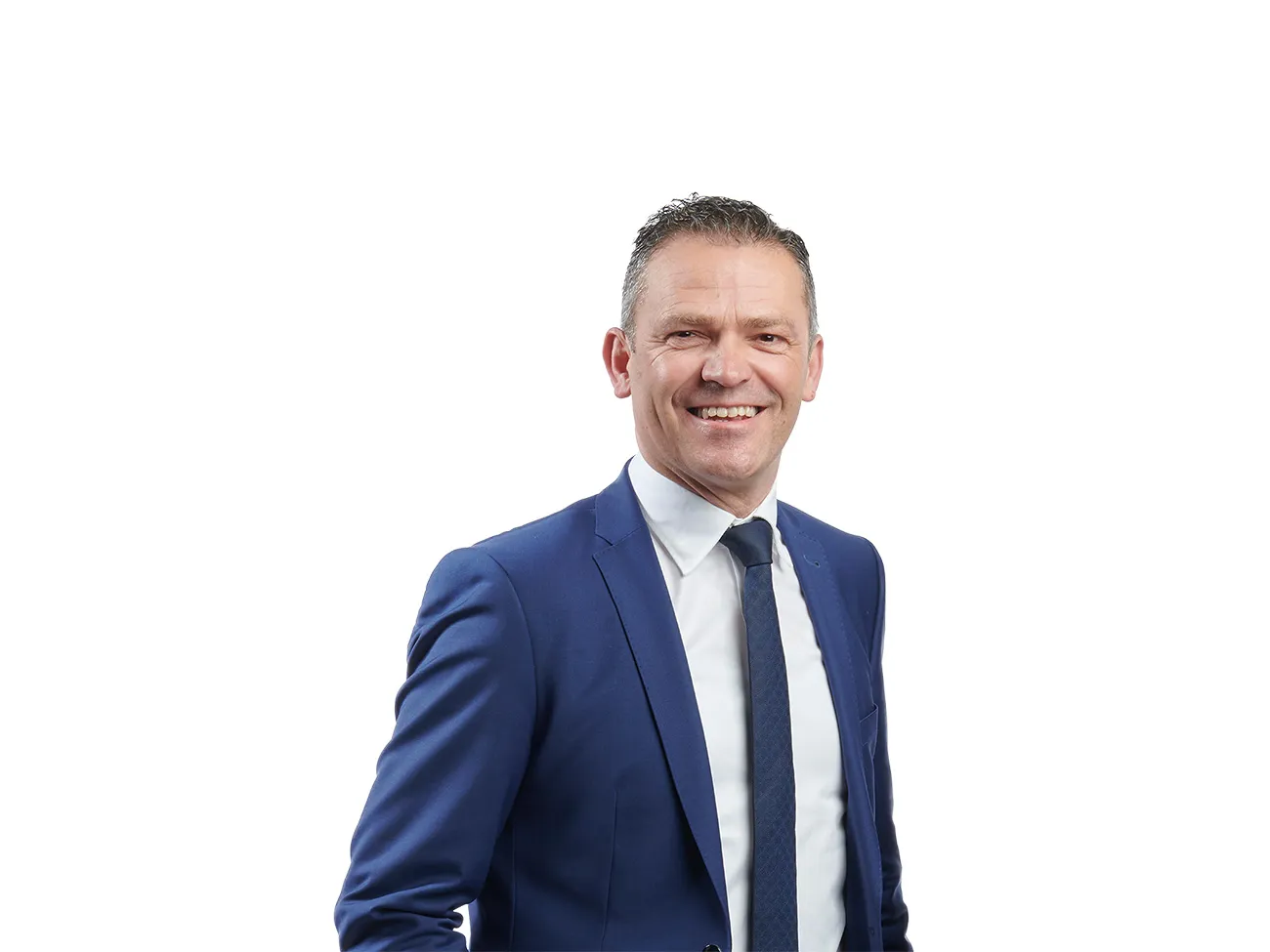
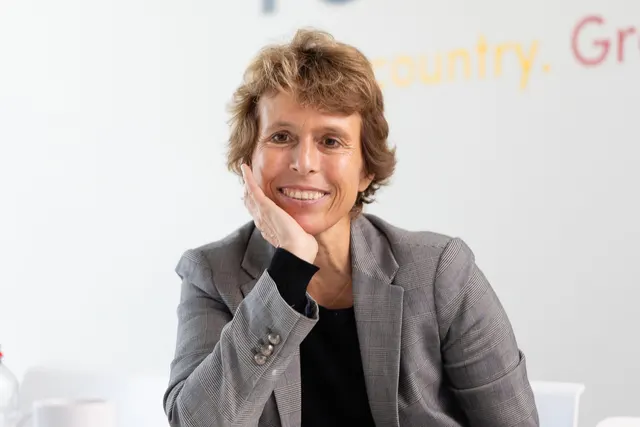
At the beginning of May, my predecessor Sonja De Becker symbolically handed me the ‘Boerenbond team’ as I became the new chair of Boerenbond. It is a privilege, but also a huge challenge. In recent months, I have tried to prepare for the role, including by making quite a few visits to organisations, members and businesses.
What has certainly stayed with me is the rich tradition of craftsmanship in our agricultural and horticultural sector. Just as striking is how fit our sector is, and how well placed it is to remain the global pioneer it already is. Everyone talks about the farming of the future and the need to become more sustainable. Well, our businesses are already doing that. Economically and environmentally, Flemish agriculture and horticulture are among the most efficient in the world. A strong and prosperous agricultural sector, called the primary sector for good reason, is the foundation of the high standard of living we enjoy in our country and creates scope for development in other economic sectors.
The importance of producing our own food, now and in the future, has once again become clear. Just as energy is a national asset, it is strategically important for Flanders to have strong local food production. After all, food is the ‘energy’ that sustains people. Matching the standards set by our farmers and growers takes hard work and ingenuity. And if we want to maintain the top level of our agriculture, we will have to keep responding to new challenges, such as storing carbon, producing local energy and protein, and promoting biodiversity, while continuing to seek solutions.
Our farmers and growers have the experience and skills to do this. But to develop solutions and make continuous improvements, they need room to grow, just like other entrepreneurs. That is why we at Boerenbond see it as our job to ensure that agriculture and horticulture remain prosperous sectors that are fully equipped for the future. We cannot do this alone. Many different parties can make a difference: farmers, agricultural organisations, supply-chain partners, consumers and policymakers. By adopting policies that encourage progress, sharing risks, ensuring farmers receive a fair price, and engaging in open dialogue …
Unlike people in the countries around us, we are not always proud enough of our local produce. We should cherish our farmers more and be more ‘locavore’ by valuing and consuming products from here. That is good for farmers, good for the climate and good for consumers. Given that the average age of our farmers is now 56, it is clear that we face a formidable wave of retirements. I therefore want to make a clear appeal to all our policymakers: do not extinguish young farmers’ desire to farm, but give them a legally secure outlook for the future.
Without that outlook, Flemish farmers and growers face extinction. In that case, we face two unattractive options: dependence on food imports, or agriculture controlled by just a handful of very large businesses, with the disappearance of the family farming fabric that now defines Flemish agriculture. I believe with all my heart that we must value our own food supply, and therefore our producers. We must place our trust in our farmers’ expertise and in the rich agrodiversity of our agriculture.
From large to small, conventional to organic, biodiversity to agrodiversity, market to society … Only in this way can farmers, as independent family business owners, find the path that best suits their enterprise, capabilities and instincts. It is precisely these individual choices that ultimately enable agriculture to deliver what the market and society expect.
Question about this story? Ask your question
Keep following this
Get an email when a new story is published. No account needed.
- SubjectNews